


Installers design HVAC ducts to last, so it’s not common to need duct repairs on a regular basis. As such, if it’s your first time scheduling such services, you may not know what they entail. And depending on the extent of your ducts’ damage, the process could take several hours to complete.
There’s no need to worry, though; the following overview will help you avoid falling prey to common HVAC myths and plan for your appointment when your ducts require professional repairs.
What Will Happen During My Initial Duct Inspection?
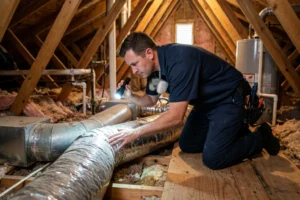
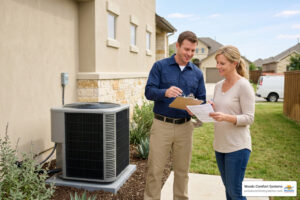
Before starting on air duct repairs, your HVAC technician will provide a simple visual inspection of your home’s ducts, connections, vents, and registers to assess their general condition.
If they see signs of corrosion, damage, or pest activity, they might use infrared cameras to see the ductwork’s interior. They’ll also use cameras to inspect hard-to-reach spots in your duct system. From there, your technician will determine where repairs are necessary and which components require replacing.
How Will Technicians Protect My Home During Duct Repair?
Working on your ducts will disrupt any dust, debris, or pest leavings that might be lying dormant inside the ducts. To protect your indoor air quality, the technician will do everything possible to minimize exposure. Before starting the duct repairs, they will close off the vents and registers and hang plastic sheeting over furnishings for added protection.
Duct Damage Repair
The next step in the duct repair process will vary based on the specific services that will best restore efficient duct function. Nevertheless, your technician will use a combination of the following methods:
Sealing Air Leaks
Minimal HVAC duct repair involves sealing air leaks that result from loose connections by tightening connections or using binding materials to seal the ducts. They can also use these materials to seal small holes that have developed from pest damage.
Patching Damaged Ducts
Whether through corrosion, accidental impacts, or pest activity, your ductwork might have more extensive damage. Your technician can repair duct damage of that degree by releasing an aerosol sealant into the affected duct, where it will provide a strong bond.
Replacing Ductwork
Finally, some ducts may have too much damage for durable repairs. In these cases, the technician will disassemble those portions of the ducts and install new segments.
Reconnecting and Testing the Ducts
After completing the repairs, your technician will want to make sure you don’t have any remaining poor airflow issues, so they will conduct a second visual inspection to examine the connections and seals. Afterward, they’ll test the flow and volume of air through the ducts by initiating an HVAC cycle.
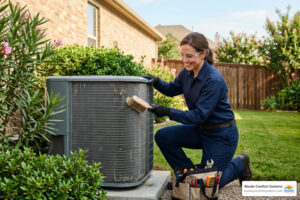
While the service usually ends here, the technician might offer duct care tips and recommendations for preventing future duct damage, such as more frequent duct cleaning.
Start With a Professional Duct Inspection
As a customer with Woods Comfort Systems, you’ll benefit from our years of experience and dedicated customer service in the HVAC industry. If you suspect duct damage, we can quickly find the source of the problem and offer repair solutions to restore the efficiency of your air ducts. Contact us to Schedule Now today!