
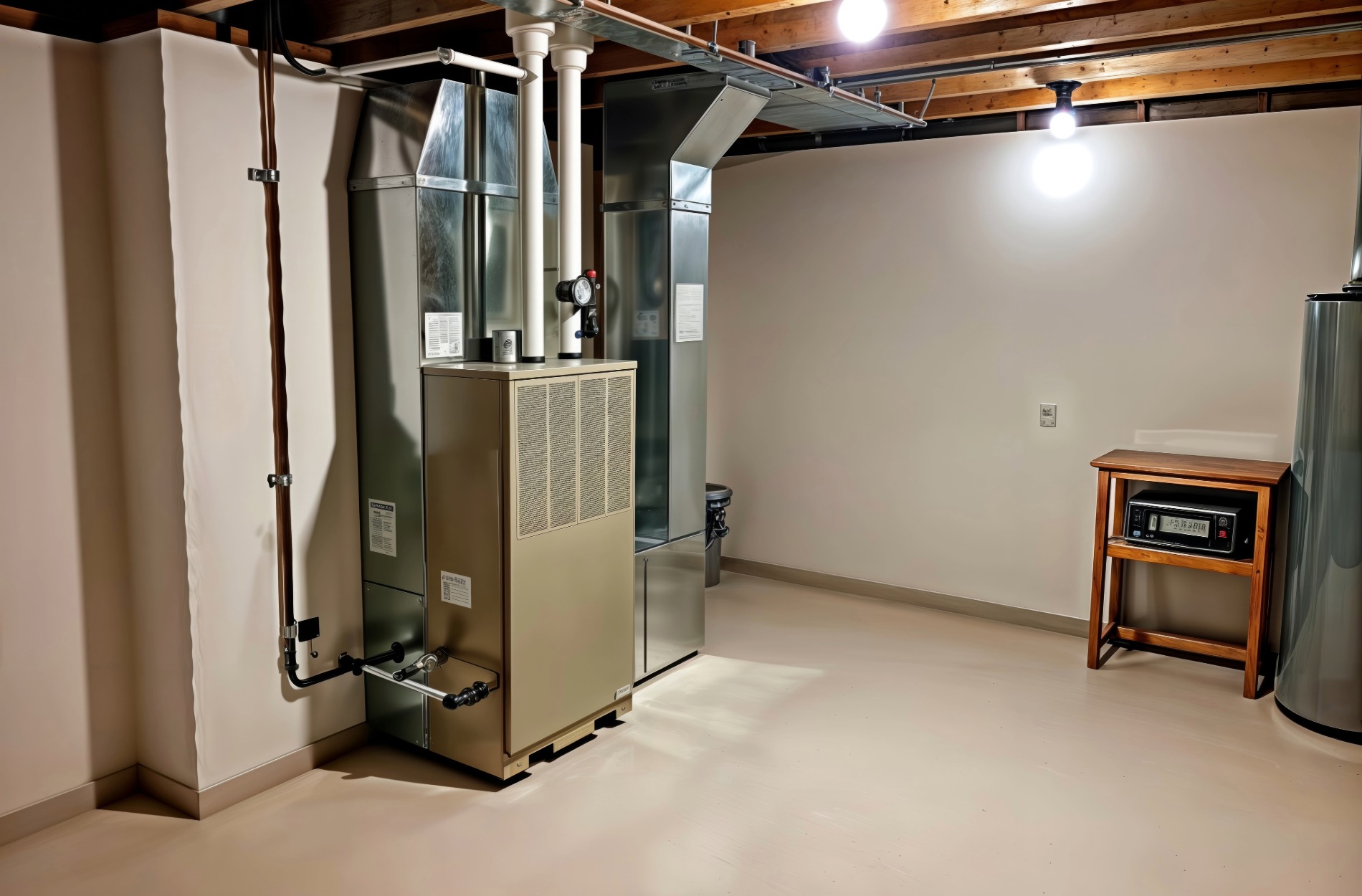
Winter in San Marcos can be unpredictable. One day may feel like spring, and the next could remind us why we still need our furnaces working. Even if you’re not running your heater 24/7, a sudden cold snap can make you grateful you had the repairs done ahead of time. Timely service not only keeps your home warm but also helps your system last longer and prevents more serious safety issues.
Getting professional furnace repair in San Marcos, TX, is a smart way to stay ahead of any mid- or late-winter hiccups. Staying ready means your house stays cozy even when temperatures dip overnight or during a stormy front. It’s not just about warmth; it’s about keeping your home safe and preventing more stress when an unexpected cold rolls into Central Texas.
Common Winter Furnace Issues in San Marcos Homes
Late in the season, furnaces start to show signs of strain. Some of the problems we see most often as February rolls in include:
- Weak airflow from vents, even when the system is running
- Uneven room temperatures, or heat that fades in and out
- Banging, clanking, or rattling noises when the furnace starts or shuts down
Shifts from cool mornings to mild afternoons and back again can be tough on older units. These conditions cause systems to cycle more frequently, wearing down parts over time. Little things like minor electrical issues or dirty burners often go unnoticed until they create a chain of problems.
Getting ahead of these small issues can prevent a breakdown or the need for after-hours service. The earlier we catch worn parts or loose connections, the easier they are to fix. Staying on top of regular HVAC maintenance helps catch these problems before they become emergencies. When you spot symptoms like uneven heat or strange noises, being aware of recurring furnace issues helps you proactively schedule repairs to avoid costly breakdowns.
When to Call a Pro for Furnace Repairs
Sometimes it’s obvious that things aren’t working. But other times, the signs are more subtle. Knowing when it’s time to stop troubleshooting and get help makes a big difference.
- A furnace that keeps turning on and off quickly is often short-cycling
- If you turn up the thermostat and nothing happens, the problem could go beyond a battery or setting
- A total loss of heat, especially at night, puts comfort and safety at risk
If you’re using a gas furnace, anything unusual, like a scorched smell or reduced airflow, could signal a bigger risk like a cracked heat exchanger. That could let carbon monoxide leak out, which you don’t want to ignore. Learn more about furnace safety and carbon monoxide prevention to help protect your home.
Repairs aren’t the kind of thing to try on your own. Furnaces are complex, and working with gas or electricity without training can make things worse. Licensed technicians know how to troubleshoot safely and fix things the right way the first time. Noticing changes in how your furnace smells or works? Acting quickly helps you stay comfortable, even during colder weeks when a faulty unit could be most inconvenient.
Benefits of Fast, Professional Repairs
Calling in a professional early brings several important advantages. Not only does it get your heat back faster, but it also helps protect your system from bigger problems.
- Fixes made quickly stop small wear and tear from turning into major damage
- Restoring normal operation helps your home heat more evenly and lowers energy use
- A trained eye can uncover hidden issues like buildup in burners or loose wires before they cause a shutdown
Mid to late winter is often when smaller malfunctions finally become apparent. Handling repairs as soon as you notice signs keeps the rest of the system from working overtime to make up for poor performance. That saves stress on parts and on your energy bills.
Quick attention also means you’re more likely to get scheduled before repair calls pile up during colder weekends or holidays. And by addressing issues during seasonal transitions, you prep your system for the next stretch of chilly weather. Maintenance and prompt service are key to happy, healthy heating equipment that lasts winter after winter.
Winter Maintenance Tips to Avoid Furnace Trouble
Small habits at home can add up to better furnace health through the rest of the season. While major work should always be left to a technician, a few basic maintenance steps help keep a system running smoothly.
- Check your filters every month and replace them as needed so airflow stays steady
- Make sure vents around your home aren’t blocked by rugs, curtains, or furniture
- Keep an eye on any new noises or uneven heat, and call if something doesn’t feel right
Just like you check your car before a long road trip, your furnace needs seasonal check-ins to stay prepared and safe. Check out these fall and winter energy-saving tips to help balance comfort and energy use as the temperatures dip.
Preventive care can also help your furnace run more efficiently. That means it doesn’t take as long or work as hard to keep your space comfortable. Less work means less wear and a lower chance that something suddenly gives out on a frosty night.
If you haven’t scheduled your winter heating maintenance yet, there’s still time to get ahead before cold weather tapers off. It’s one of the easiest ways to prevent midseason breakdowns and extend the life of your system.
Staying consistent with these small checks each year brings peace of mind, knowing you’re doing your part to keep your furnace reliable. Regular attention means less worry and more warmth when the weather in San Marcos turns chilly without warning.
FAQs
1. What are common winter furnace problems in San Marcos?
Weak airflow, uneven heating, and strange noises often show up this time of year.
2. How do I know if my furnace needs professional repair?
If it’s short-cycling, unresponsive, or not heating at all, it’s time to call a technician.
3. Why is quick furnace repair important?
Fast fixes prevent larger issues, restore comfort sooner, and help avoid emergency shutdowns.
4. Can winter weather affect my furnace in Central Texas?
Yes, even mild cold spells can strain older systems that run more often.
5. Should I worry if my gas furnace smells strange?
Yes, a burning smell or anything new could signal a leak or safety issue.
6. What can I do to help my furnace run better?
Change filters regularly and make sure vents are clear.
7. Is it safe to fix furnace issues myself?
No, furnaces involve electrical and gas parts that should be handled by a pro.
8. How often should I have my furnace checked?
A regular annual service helps catch hidden problems and keeps things running efficiently.
9. Can a dirty filter cause heat problems?
Yes, blocked airflow makes your system work harder and may reduce heat output.
10. Why is my furnace making loud noises?
It could be loose parts, airflow issues, or buildup inside the burners.
Warmth You Can Count On: Keep Your Furnace Running Strong
Winter in San Marcos, TX, may be shorter than in other parts of the country, but it can still pack cold nights and surprise chills. Keeping up with furnace repairs now helps avoid hours spent without heat and keeps your home safer from bigger issues.
A little attention now can prevent a big headache later. Spotting small problems, fixing them quickly, and keeping up with regular checkups are the easiest ways to extend your system’s life and stay comfortable through late winter and early spring. By keeping an eye out for noises, airflow problems, or uneven heating, you’ll be ready to schedule repairs in time to prevent larger breakdowns. Regular care and professional service make a difference for any home facing a late-season cold.
Ensure your home stays warm this winter by addressing furnace issues proactively. Woods Comfort Systems offers efficient and reliable furnace repair in San Marcos, TX. Don’t let unexpected cold snaps catch you off guard. Schedule a repair with our licensed technicians to keep your heating system running smoothly and safely all season long. Your comfort is our priority, and we’re here to help you maintain a cozy home environment.
