
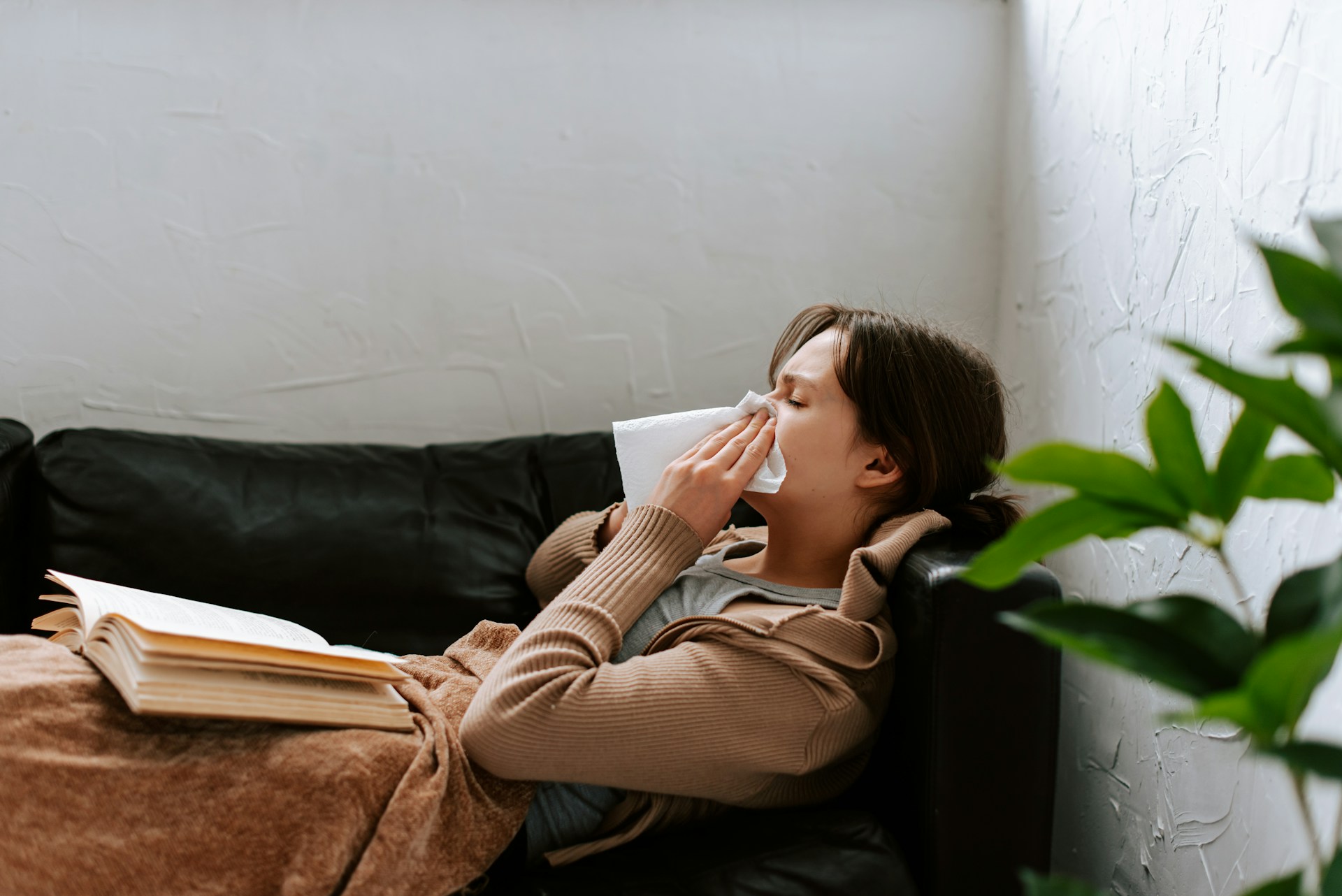
Why Do Allergies Get Worse Indoors in Spring?
Spring in Central Texas looks nice, but for many people, it means itchy eyes, a stuffy nose, and constant sneezing. Pollen, mold, and dust do not stay outside; they ride in on clothes, shoes, pets, and airflow, then get trapped in your home.
What many families do not realize is how much their HVAC and plumbing systems affect that allergy load. These systems quietly control your air, your moisture, and even where mold can grow. With the right indoor air quality inspection and a few smart upgrades, your home can feel calmer and cleaner, even when pollen counts spike outside.
We work in the San Marcos, Austin, and New Braunfels area, so we see these issues up close every spring. The good news is, you do not have to guess. A planned approach to HVAC and plumbing can make a big difference in how you feel.
How Can Your HVAC Trigger or Tame Spring Allergies?
Your HVAC system constantly pulls air in, conditions it, and then sends it back through your home. If that air is full of dust, pollen, and pet dander, your system can spread irritants into every room.
When parts of the system are dirty or damaged, things feel even worse:
- Clogged or weak filters let tiny particles pass through
- Dusty coils and blower parts hold allergens and blow them back out
- Leaky or dirty ductwork pulls in attic or crawl space dust and mold
Key pieces that help control allergies include:
- High-MERV air filters sized correctly for your system
- Sealed, inspected ductwork that is not pulling in dirty air
- Clean evaporator coils and blower assemblies so buildup does not blow around
An indoor air quality inspection looks at how all these parts work together. We can often spot hidden issues, like uneven airflow in certain rooms or duct leaks in high-dust areas, that keep allergens circulating.
What HVAC Upgrades and Maintenance Help Clean Your Air?
Spring is the perfect time to get your cooling system ready before heavy use. Simple maintenance can remove many irritants before they reach your lungs.
Smart spring HVAC steps include:
- Replacing filters with allergy-minded options
- Checking and cleaning indoor and outdoor coils
- Inspecting ductwork for leaks, damage, or heavy dust
- Calibrating thermostats so humidity stays in a comfortable, balanced range
When basic care is not enough, upgrades can offer extra relief:
- Whole-home air purifiers that work with your central system
- UV lights on indoor coils to help control microbial growth
- Whole-home dehumidifiers for homes that always feel damp or musty
A focused indoor air quality inspection helps you decide what matters most in your home, rather than guessing. For some homes, better filters and duct repairs provide significant relief. For others, adding purification to an existing air conditioning system may be the right move.
How Does Plumbing Affect Allergies and Indoor Air?
Plumbing and allergies might not seem connected at first, but moisture is a major factor in allergy control. Where there is extra water, mold and mildew often follow, and those tiny spores can be hard on your breathing.
Common plumbing-related allergy triggers include:
- Slow leaks under sinks or behind walls
- Standing water in low spots, especially in crawl spaces
- Condensation on cold pipes in warm, humid rooms
- Clogged drains that cause musty odors and damp walls or floors
These areas become perfect homes for mold, mildew, and bacteria. When your AC or fans run, they can move those spores and smells from room to room.
Regular plumbing inspections and repairs prevent moisture from reaching the source. Fixing leaks, clearing clogs, and improving drainage keep surfaces dry, helping prevent mold growth before it spreads through the home.
Which Plumbing and HVAC Steps Support Healthier Indoor Air?
Once leaks and moisture issues are on your radar, you can start pairing plumbing fixes with smart HVAC care to protect your indoor air quality.
Helpful plumbing moves for allergy relief include:
- Repairing hidden leaks behind cabinets or walls
- Improving drainage around the home to keep water away from the foundation
- Upgrading or adding sump pumps where water tends to pool
- Insulating cold-water lines to reduce constant pipe sweat
- Keeping toilets, vents, and water heaters in good working order to limit musty or sour smells
On the HVAC side, moisture and airflow matter as well. Balanced humidity helps reduce both mold growth and dust mite activity. Your AC system, especially if it has been properly maintained or repaired by a professional AC repair team, can remove extra moisture from the air while cooling.
When HVAC and plumbing strategies are planned together, you get:
- More stable indoor humidity
- Fewer damp spots where mold can grow
- Cleaner air movement through your ductwork
- A more comfortable home that does not feel sticky or stale
What Spring Checklist Helps Keep Allergies Under Control?
A simple seasonal checklist makes it easier to stay ahead of allergy season rather than react when symptoms spike.
Spring HVAC checklist:
- Book a system tune-up before peak cooling season
- Request an indoor air quality inspection for filtration and airflow
- Upgrade to better filters and change them often in high-pollen months
- Ask if duct cleaning or sealing is needed based on what is found
Spring plumbing checklist:
- Check under sinks, behind appliances, and around toilets for damp spots
- Look for signs of leaks on ceilings, walls, and baseboards
- Make sure outdoor drainage flows away from your home
- Flush the water heater and note any odd smells or discoloration
- Address any areas that smell musty or feel constantly damp
Doing HVAC and plumbing visits around the same time each spring keeps these systems working together, reduces surprise problems, and keeps moisture and allergens under control before spring pollen peaks.
FAQs About Spring Allergies, HVAC, and Plumbing
How does an indoor air quality inspection work, and what does it measure?
A technician reviews your HVAC system, checks filters, airflow, duct condition, and moisture concerns, and may use basic tools to identify problem areas. You get a report with findings and suggested next steps.
How often should I change my HVAC filter during the spring allergy season in Central Texas?
During heavy pollen months, many homes benefit from changing filters about once a month, sometimes more often if you have pets or allergy-sensitive family members, and using high-MERV filters.
Are whole-home air purifiers better than portable units for allergies?
Whole-home systems treat the air as it moves through your HVAC system, so every room can benefit. Portable units are helpful for single rooms, but do not usually address the entire house.
Can leaky pipes or dripping faucets really make allergies worse?
Yes. Leaks and constant drips create damp areas where mold and mildew can grow, and those spores can spread through your air and trigger allergy or breathing problems.
What humidity level is best for reducing allergies, and how can my home help maintain it?
Many people feel better when indoor humidity stays in a middle range, not too dry, not too muggy. Your AC system, possible dehumidifiers, and good plumbing leak control all work together to keep things balanced.
How do I know if I need duct cleaning or if a filter upgrade is enough?
If ducts are damaged, very dusty, or contaminated by past moisture issues, cleaning or repair may be advised. If ducts are in good shape, a better filter and regular maintenance might give enough relief.
What signs of hidden plumbing leaks should I look for before mold becomes a problem?
Watch for soft or stained walls, bubbling paint, warped floors, musty odors, or a sudden jump in water use. Any of these can point to a slow leak.
Is it better to schedule HVAC and plumbing maintenance together in the spring, or spread them out?
Many homeowners like pairing both in spring so moisture, airflow, and allergy triggers are checked at the same time, which makes it easier to plan upgrades and avoid overlap.
How long do HVAC and plumbing allergy-related upgrades usually take?
Most filter changes, inspections, and smaller repairs are completed in a short visit. Larger projects, such as ductwork or significant plumbing repairs, can take longer and are planned with you in advance.
Why choose one company for both HVAC and plumbing when dealing with indoor allergies?
When the same team understands your air and your water systems, it is easier to spot how a leak, airflow issue, or humidity problem connects, and to create a simple, coordinated plan for cleaner, more comfortable air.
Breathe Cleaner, Healthier Air in Your Home Starting Today
If you are concerned about what your family is breathing, we can help you get clear answers and practical solutions. Schedule an indoor air quality inspection with Woods Comfort Systems to assess your home and recommend the right improvements. Our team will walk you through the findings, explain your options, and handle the details from start to finish. If you are ready to take the next step, reach out through our contact us page, and we will be in touch promptly.
