


Stop Wasting Comfort and Cash Through Your Roof
Poor attic insulation sounds like a small thing, but it can quietly wreck the comfort of your whole home. Hot upstairs rooms, high bills, and systems that never seem to shut off often start right above your head, in the attic.
In Central Texas, the attic can turn into a heat trap. Heat sneaks into your living spaces in warm months, and conditioned air slips out through gaps all year long. That hidden problem makes your HVAC and plumbing work harder than they should. In this article, we will explain how poor attic insulation affects your comfort, your AC and heating, and even your plumbing, and what you can do to fix it.
How Poor Attic Insulation Overworks Your HVAC
When your attic is poorly insulated, your HVAC equipment is the first to feel it.
In hot weather, the roof heats up, and the attic becomes a giant radiator. That heat pushes down through the ceilings and into your rooms. Your AC has to run longer to remove that extra heat. In cooler evenings, the opposite happens: the conditioned air you already paid for drifts up and leaks out through the attic.
Poor attic insulation can lead to:
- Longer AC and heat pump run times
- More wear on compressors and blower motors
- Short cycling and noisy starts and stops
- Uneven temperatures from room to room
Those hot or cold spots often make people keep bumping the thermostat. Every time you do that, your system runs even more, which can shorten its life and raise your bills.
A smart fix is to pair better attic insulation with professional HVAC care. During an inspection, a technician can:
- Check insulation depth and coverage
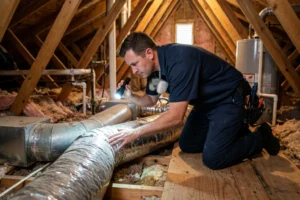
- Look over attic ducts for leaks, kinks, or crushed sections
- Test system performance and airflow
If you want to learn more about attic work that supports your AC and heating, our team explains the basics of attic insulation services on our site.
The Hidden Plumbing Costs of a Poorly Insulated Attic
Most people think of attic insulation only in terms of heating and cooling, but it also affects your plumbing.
When the attic and nearby spaces swing between very hot and cooler, your plumbing systems feel it. Pipes that run through or near the attic, or along outside walls under the roof, are more exposed to those temperature changes. That can lead to:
- Stress on older pipes and fittings
- Higher chance of leaks at weak spots
- Greater wear on seals and joints over time
Water heaters feel the strain too. If your home loses heat through the attic, the water in your pipes cools faster between uses. That means:
- Your water heater must cycle more often to keep water hot
- You may wait longer for hot water at taps and showers
- You waste water running the tap while you wait for it to warm up
Plumbing pros can help by keeping an eye on both insulation and water systems. Typical steps include:
- Checking water heater performance and settings
- Inspecting exposed piping for wear or weak insulation
- Recommending pipe insulation and other protection where it makes sense
When HVAC and plumbing are checked together, they can support each other rather than work against the conditions in your attic.
Comfort, Air Quality, Safety, and Seasonal Stakes
Poor attic insulation shows up first in day-to-day comfort. Many homeowners notice:
- A bonus room or bedroom under the attic that never feels right
- Big temperature changes between floors or between rooms
- Family disagreements about where to set the thermostat
Those comfort problems often bring air quality issues with them. Thin insulation usually means air leaks, too. Warm, dusty attic air can sneak into your living areas, bringing:
- Extra dust and fibers
- Outdoor pollutants that slip in through gaps
- Moist air that can lead to musty smells
Over time, extreme attic heat can also be rough on the systems that run through it. High attic temperatures can speed up wear on:
- HVAC components that sit in the attic
- Electrical wiring and connections
- Plumbing lines routed through the attic or upper wall spaces
Late winter and early spring are a smart time for Central Texas homeowners to pay attention. Days are already getting longer, and we start to feel more sun on the roof. This “in-between” time is perfect for:
- Planning attic insulation improvements before AC season ramps up
- Checking for any plumbing issues that popped up over the cooler months
- Scheduling HVAC inspections before the first long stretch of hot days
A combined HVAC and plumbing check can include:
- Measuring attic insulation levels and looking for bare spots
- Inspecting ducts, vents, and returns in the attic
- Testing water heater operation and checking exposed pipes
If you want to see how all your home systems fit together, check out the range of HVAC and plumbing services we offer across Central Texas.
Smart Upgrades and Frequently Asked Questions
Improving comfort and protecting your systems usually means addressing both insulation and equipment. Common upgrades include:
- Adding attic insulation to reach recommended levels for Central Texas
- Air sealing around hatches, light fixtures, and plumbing penetrations
- Servicing AC, heat pumps, or furnaces at the same time
- Insulating pipes where they pass near the attic or outer walls
These steps can lead to lower energy use, longer equipment life, and fewer surprise repairs.
Here are some common questions we hear about poor attic insulation:
1) How can I tell if poor attic insulation is hurting my comfort?
Rooms that are hotter or colder than others, high bills, systems that seem to run all the time, and big temperature swings between floors are all warning signs.
2) Does poor attic insulation really affect my plumbing too?
Yes. Temperature swings in or near the attic can stress pipes, raise the chances of leaks, and make your water heater work harder.
3) What insulation level do Central Texas attics need?
Many homes do well with attic insulation in the R-38 to R-49 range. A professional can measure what you have and suggest the right level for your home.
4) Is it better to fix poor attic insulation before or after replacing my AC?
Improving insulation first often helps size a new HVAC system correctly and may lower the capacity needed.
5) Will better attic insulation lower my water heating bills?
It can help. When your home holds temperature better, hot water loses less heat as it travels through the plumbing.
6) Can I just add insulation myself, or do I need a professional?
Some people try DIYers, but professionals also look for air leaks, proper ventilation, and safe clearances, which are easy to miss.
7) How long does an attic insulation and system check usually take?
Most inspections take a couple of hours, depending on attic size and access. Installation or upgrades can take from a few hours to a full day for many homes.
8) Does Woods Comfort Systems handle both insulation and system repairs?
Yes. We can evaluate attic insulation, service HVAC equipment, and inspect plumbing and water heaters within a single project.
9) What time of year is best to address poor attic insulation?
Late winter and early spring are great in Central Texas, so your home is ready before long stretches of hot weather.
10) Will better attic insulation improve indoor air quality, too?
Often it does, especially when combined with air sealing and duct repairs, because it can help reduce dust and attic air from entering your living spaces.
Get Started with Your Project Today
If you suspect that poor attic insulation is driving up your energy bills or making your home uncomfortable, we are ready to help you pinpoint the problem and fix it correctly. At Woods Comfort Systems, we assess your attic, explain your options clearly, and recommend solutions that fit your home and budget. Reach out today through our contact us page to Schedule Now and start improving your comfort and efficiency.