

Stop Ignoring Dust and Rusty Water
Extra dust on every surface and orange rings in your sinks are not just annoying chores; they’re a sign of a problem. They are often early warnings that something is wrong with your ducts, pipes, or equipment. When those signs show up around your home, it usually means the problem has already started, even if you cannot see it yet.
In Central Texas, we deal with cedar, pollen, and hard water all year. That mix can make hidden HVAC and plumbing issues surface quickly. A professional indoor air quality inspection and plumbing checkup looks beyond what you can see and helps find trouble hiding in attics, walls, and under floors before it becomes major damage and even greater stress.
What Extra Dust Reveals About Your Ductwork and Air Quality
When dust seems to come back the same day you clean, it is usually not “just allergies.” Often, your HVAC system is spreading dust instead of trapping it.
Common HVAC-related causes of extra dust include:
- Leaky or disconnected ducts pulling dirty attic or crawlspace air into your system
- Clogged, old, or wrong-size filters that cannot catch fine particles
- Dirty AC coils and blower parts that throw dust back into the air
- Skipped AC and heating tune-ups that let small problems grow
Central Texas air can carry cedar pollen, mold spores, and dust from dry, windy days. If your ducts are not sealed or cleaned when needed, that outdoor mess can end up inside your home and all through your vents.
This affects more than just cleaning time:
- Allergens and particles spread to every room, which can trigger asthma and allergy symptoms
- Air leaks in ducts waste cooled air, so your system runs longer and works harder
- Poor airflow can lead to hot and cold spots and higher electric bills
That is why an indoor air quality inspection matters. During a professional check, a trained tech can identify:
- Duct leaks or crushed sections
- Filters that are the wrong type or installed the wrong way
- Microbial growth on coils and inside air handlers
- Humidity issues that make your home feel sticky or musty
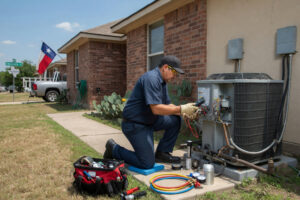
From there, solutions might include duct sealing, filter upgrades, coil cleaning, and adding air purifiers or dehumidifiers when needed. If your AC already struggles to keep up with the heat, a full system check or AC repair visit can help your air feel cleaner and cooler at the same time.
Rusty Water and Stains: Clues to Hidden Plumbing Trouble
Rusty or brownish water is another big warning flag that often gets brushed off as “just hard water.” In many homes, it points to trouble inside pipes or equipment.
Common reasons for rusty or discolored water include:
- Corroding galvanized or older metal pipes
- Aging water heaters with tanks that are starting to break down
- High mineral content in our Central Texas water is reacting with older plumbing
Where and when you see the discoloration can tell you a lot:
- Rust from hot taps often points toward the water heater
- Rusty water from both hot and cold taps can mean pipe or main line problems
- Orange or brown stains in sinks, tubs, toilets, and dishwashers can come from iron and minerals in the water
You might also notice:
- A metallic taste in your drinking water
- Short bursts of rusty water after faucets have not been used for a while
- Damp spots, musty smells, or higher water bills from slow leaks
Corroded ducts and pipes sometimes show up together in problem areas. Resources like the Wet Corroded HVAC Duct FAQs explain how moisture and metal do not mix well. When you add water lines near HVAC parts, ignoring the signs can lead to mold, leaks, and stains that damage drywall, floors, and cabinets.
Early plumbing inspections help you avoid:
- Pipe failures and bursts
- Water damage inside walls and under floors
- Mold growth that also harms indoor air quality
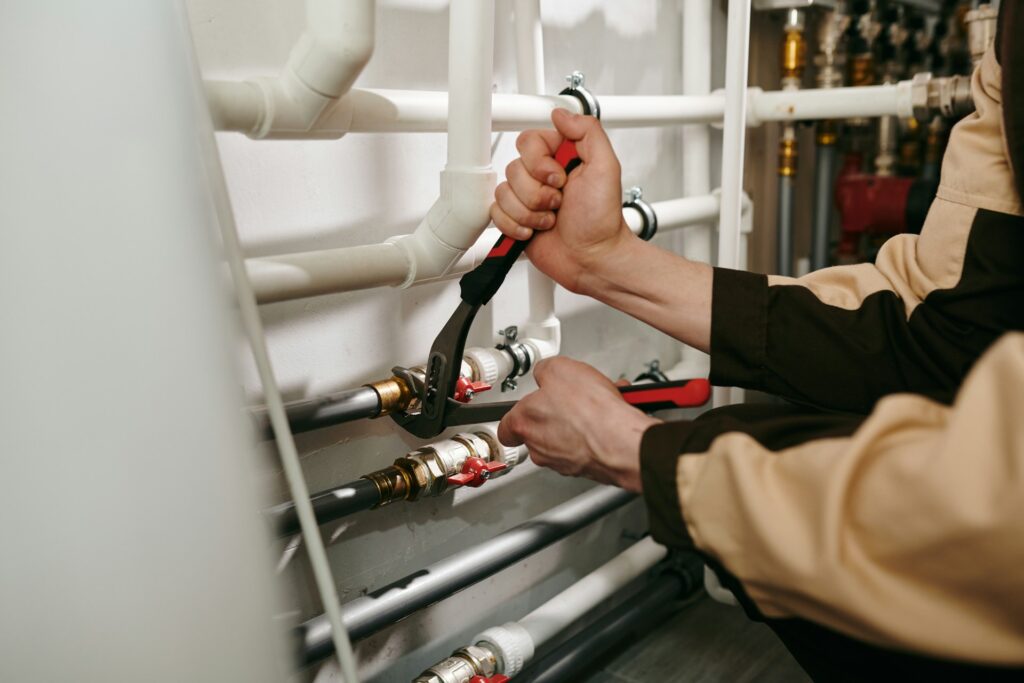
During a plumbing visit, a licensed plumber can inspect water heaters, check visible pipes, test water, and suggest repairs or water treatment to help protect your home and fixtures.
How HVAC and Plumbing Work Together to Protect Your Air
Air and water problems are often linked. When pipes or water heaters leak, that moisture can collect behind walls, under floors, or near HVAC equipment. Add warm Central Texas air, and it is a perfect setup for mold and mildew.
That moisture can lead to:
- Musty odors when your AC or fan runs
- Extra dust and particles in the air as materials break down
- Spots where microbial growth spreads into ducts
An indoor air quality inspection can pick up many of these clues. At the same time, a plumbing check can find the source of the moisture. Fixing both sides is what truly clears the air.
Seasonal timing matters too. Late winter and early spring are smart times to:
- Get ducts, filters, and coils in shape before your AC runs hard for long hot days
- Check water heaters and pipes before higher warm-season water use
- Handle small problems now so they do not turn into AC breakdowns or leaks during busy months
Working with one team that handles both HVAC and plumbing brings some helpful advantages:
- One schedule for inspections and repairs
- Clearer diagnosis when air and water issues are connected
- Long-term planning for equipment, ducts, and pipes as your home ages
For example, a crew might seal ducts while also fixing a nearby plumbing or AC condensate leak, install a dehumidifier while addressing a chronic drip, or pair a new water heater with checks around vents and nearby HVAC parts. A full air conditioning service visit often fits well with these checks.
When to Call a Pro: Red-Flag Signs You Should Not Ignore
Some warning signs should never be brushed aside or delayed.
For HVAC and indoor air, watch for:
- Dust returning less than a day after you clean
- Uneven room temperatures or weak airflow from vents
- Musty or burning smells when the system runs
- Unusual noises from indoor or outdoor units
- Filters clogging faster than normal
- Power bills are slowly climbing without changing how you use your system
- Family members feeling worse indoors with headaches, allergies, or breathing issues
For plumbing, key distress signals include:
- Rusty, cloudy, or sandy-looking water
- Low water pressure or big pressure swings
- Banging pipes, gurgling drains, or chronic clogs
- Wet spots on walls, ceilings, or floors
- A water bill that suddenly jumps
- Water heater rumbling, popping, or running out of hot water quickly
- Visible rust or moisture around the water heater tank or fittings
During a visit, a Woods Comfort Systems tech will usually:
- Perform visual inspections of HVAC and plumbing areas
- Check system performance, airflow, and duct condition
- Look at filters, coils, and drain lines
- Inspect the water heater and visible piping
- Talk through repair or replacement options that fit your home and your plans
Frequently Asked Questions About Dust, Rust, and Home Comfort
Breathe Cleaner, Healthier Air in Your Home
If you are concerned about dust, allergies, or lingering odors, our team at Woods Comfort Systems is ready to help with a professional indoor air quality inspection. We will assess your home’s air and recommend practical solutions tailored to your space and budget. To schedule a visit or ask questions about your options, simply contact us today.