
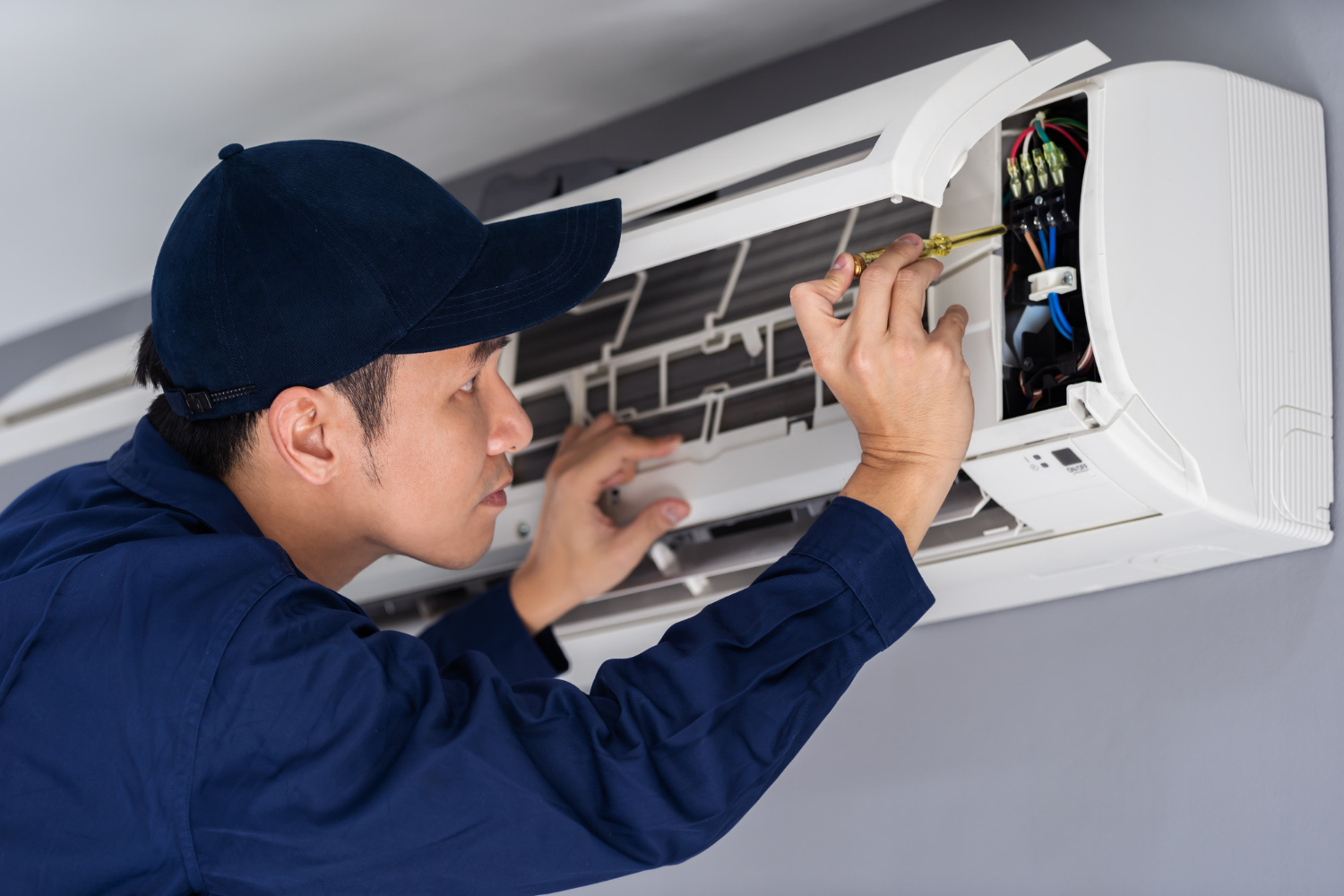
Staying comfortable through an Austin summer means having an AC system you can count on, day and night. The best AC setup for your home is not just about brand names or tonnage; it is about matching the right equipment to your layout, comfort goals, energy use, and even the plumbing that quietly supports it in the background.
At Woods Comfort Systems, we are a family-owned HVAC and plumbing company serving Central Texas, including Austin, San Marcos, and San Antonio. We see how AC and plumbing come together in real homes every day. In this article, we will walk through common AC system choices, how to choose reliable HVAC installers in Austin, why plumbing condition matters for your comfort, and how to decide whether to repair or replace an older system. We will finish with answers to common questions homeowners ask us about AC and plumbing working together.
AC System Options that Work for Austin Homes
When you plan AC installation, you are really choosing how you want your whole home to feel and function. Different system types shine in different situations.
Central air conditioning systems are the classic choice in many Austin homes. A traditional split system has an outdoor condenser and an indoor unit connected by refrigerant lines and ductwork. Cool air is pushed through supply ducts to each room, then pulled back through return ducts.
Pros of central AC include:
- Even, whole-home comfort for multi-room houses
- Compatibility with smart thermostats and indoor air quality add-ons
- A clean look with no large wall units in living spaces
Potential downsides are:
- You need ducts in good condition
- Leaky or poorly designed ductwork can waste cooled air
- Incorrect sizing or sloppy installation can lead to higher bills and hot spots
Heat pumps are another strong option in Central Texas. They move heat rather than creating it, which can be very efficient for cooling and for the mild heating we need at certain times of year. High-efficiency and variable-speed systems can:
- Reduce energy use compared to older single-speed equipment
- Improve humidity control and comfort
- Run quieter and keep more stable indoor temperatures
Professional HVAC installers in Austin should run a load calculation to size your system based on your home’s insulation, windows, duct condition, and sun exposure. Square footage alone is not enough.
Ductless mini-split systems are ideal when ducts are missing or not worth repairing. They are popular for:
- Room additions and garage conversions
- Bonus rooms that never quite match the rest of the house
- Homes where different family members prefer different temperature zones
Mini-splits use small indoor units mounted on walls or ceilings, along with a compact outdoor condenser. During installation, we plan for:
- Indoor unit locations that give good air distribution
- Outdoor unit placement with proper clearances and airflow
- Electrical wiring and condensate drain routing so water drains safely away
Why Plumbing Health Matters for AC Installation
HVAC and plumbing share more than a utility closet. They interact in ways that affect comfort, safety, and even the look of your ceilings and walls.
Every cooling system produces condensation as it removes humidity from the air. That water has to go somewhere. Condensate lines often run through attics, walls, or near existing plumbing drains. If they are not installed correctly, you can end up with:
- Ceiling stains and drywall damage
- Mold growth in damp areas
- Musty odors and poor indoor air quality
Plumbing pros help by:
- Routing condensate drains with proper slope and discharge locations
- Installing drain pans under attic units for extra protection
- Adding float switches that shut the system off before an overflow becomes a major leak
Water quality also plays a quiet but important role in long-term comfort. Hard Central Texas water can build up in fixtures and equipment, including humidifiers and water heaters. That can have ripple effects on comfort and energy use. A well-designed combination of plumbing maintenance, water softening where appropriate, and AC care can protect both HVAC and plumbing systems. Our article on HVAC efficiency and plumbing health explains in more detail how these components fit together.
Choosing a company that offers both HVAC and plumbing services makes it easier to coordinate condensate drainage, water line adjustments, and code compliance. It also reduces surprises when a comfort issue turns out to have a plumbing cause or vice versa.
How to Choose HVAC Installers in Austin You Can Trust
With so many HVAC installers in Austin, it helps to know what really matters beyond a quick quote. Key qualifications to look for include:
- Proper licensing and insurance
- Experience with Central Texas homes and local codes
- Clear, written estimates and warranties
- A willingness to explain your options in plain language
When one team handles both HVAC and plumbing, projects often move more smoothly. You avoid gaps between contractors when a condensate line needs to tie into existing plumbing, a gas line needs to be checked near a furnace, or a drain line needs to be rerouted. There is less finger-pointing later if a moisture or comfort problem arises, because a single provider is responsible for the entire system.
Local experience also matters. Installers who work in Austin every day understand:
- How long, hot days affect sizing and efficiency choices
- Utility programs and rebates that may apply to high-efficiency equipment
- Common home layouts in the area and where ducts and drains usually run
For a deeper look at how seasons and household water use affect cooling performance, many homeowners find it helpful to review resources like our discussion of summer water use, HVAC, and plumbing.
Repair or Replace: What Makes Sense for Your AC
Deciding when to replace a system rather than repair it is a big decision for most families. Signs it might be time to consider replacement include:
- Frequent breakdowns during hot weather
- Hot and cold spots that never really go away
- A system that is older and noticeably less efficient
- Noisy operation, short cycling, or poor humidity control
- Rising energy bills, even though usage habits have not changed
On the other hand, a well-planned repair can still be the better move when:
- The system is relatively new, and the issue is isolated
- The main problem is plumbing-related, such as a clogged condensate line or a minor leak
- An inspection shows that ducts, drains, and equipment can be corrected without full replacement
A combined HVAC and plumbing evaluation can reveal whether the most cost-effective fix is in the equipment, the ductwork, the condensate drain, or somewhere in your plumbing system. Before committing to a new system, it is wise to look at:
- Duct condition and layout
- Insulation levels and air leaks around doors and windows
- Plumbing upgrades that could protect your investment, like water heater updates or leak detection
Experienced HVAC installers in Austin can help you plan upgrades in phases that match your budget rather than pushing a single one-size-fits-all quote.
FAQs About AC and Plumbing for Austin Homes
How long does a typical AC installation take in an Austin home?
Most straightforward replacements are completed within a day from removal of the old unit to startup and testing of the new system. The schedule can extend if duct repairs, new ductwork, or plumbing adjustments to condensate drains are needed.
What size AC unit do I need for my house?
Square footage is only a starting point. Proper sizing requires a load calculation that considers insulation, window type and orientation, air leakage, and duct condition so the system cools effectively without short cycling.
How does my plumbing system affect AC performance?
Plumbing comes into play through condensate drains, drain pans, and nearby water or drain lines. Leaks, clogs, or poor drainage around your AC can cause water damage, odors, and even affect how often your system can safely run.
Are heat pumps a good option for Central Texas homes?
Yes, many homes in our area work well with heat pumps that provide both cooling and mild heating. They can be very efficient, especially when paired with proper ductwork and professional installation.
What should I ask HVAC installers in Austin before I hire them?
Helpful questions include: Are you licensed and insured? What warranties do you offer, what brands do you install, and do you offer maintenance plans? It is also smart to ask whether they can handle plumbing tasks related to AC installation, such as condensate drainage and nearby water lines.
How can I lower my cooling bills without sacrificing comfort?
Consider high-efficiency equipment, smart thermostats, regular HVAC tune-ups, and sealing ducts and improving insulation. Fixing plumbing leaks and hot water issues can also reduce strain on both systems and cut overall utility costs.
How often should I schedule maintenance for my AC and plumbing systems?
Most homes benefit from professional AC service at least once a year and regular plumbing inspections to catch leaks, clogs, and water heater issues early. Proactive service usually lowers emergency repair risk and helps equipment last longer.
What indoor air quality options can be added during AC installation?
During AC installation, you can often add air cleaners, high-quality filters, UV lights, and humidity control solutions. Addressing plumbing-related moisture problems, like slow leaks or poor condensate drainage, is just as important for keeping indoor air fresh and healthy.
Get Started with Your Project Today
If you are looking for reliable comfort solutions tailored to your home, our team at Woods Comfort Systems is ready to help. Our experienced HVAC installers in Austin can assess your system, clearly explain your options, and complete the work with careful attention to detail. Tell us what you need, and we will recommend a plan that fits your timeline and budget. To schedule an appointment or ask a question, simply contact us.
