

Understanding Normal Home Water Pressure
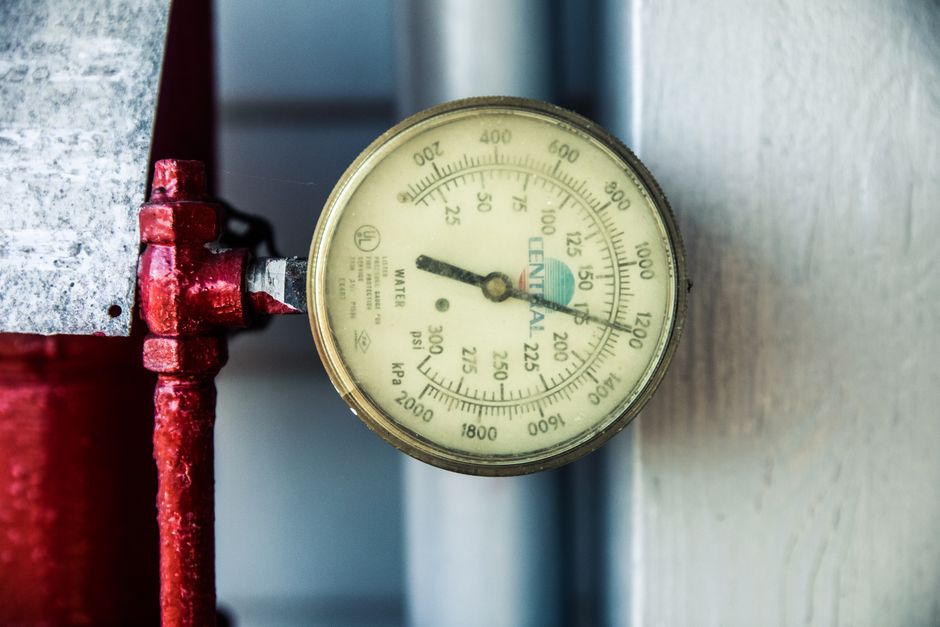
To determine if your home is suffering from a drop in water pressure, you first need to understand what is considered normal. Water pressure is the force that pushes water through your plumbing system, and it is measured in pounds per square inch, or PSI.
For most residential properties in San Marcos, TX and surrounding areas like New Braunfels, TX, a standard, healthy water pressure range is between 40 and 80 PSI. Most municipal water systems manage their infrastructure to deliver water to your curb within this range, though it can fluctuate slightly depending on your proximity to the local water tower or pumping station.
There is an important distinction to make between static pressure and working pressure:
- Static Pressure: This is the measurement of water pressure when all faucets, showers, and water-using appliances in your home are completely turned off. It represents the maximum force of the water resting in your pipes.
- Working Pressure: This is the pressure level when one or more fixtures are actively running. If your static pressure is normal but your working pressure drops dramatically when you turn on a faucet, you likely have a restriction or a clog in your piping rather than a supply issue.
To learn more about how your home water system behaves, you can consult this helpful overview of why is my water pressure low? A guide for homeowners | Grundfos, which explains the physics of water flow and pressure in residential properties.
Homeowners can easily measure their water pressure themselves using a simple, inexpensive water pressure gauge. You can purchase one of these gauges at a local hardware store in Buda, TX or Kyle, TX. To perform the test, make sure all water-using appliances are turned off inside and outside the house. Screw the gauge directly onto an outdoor hose spigot, preferably the one closest to your main water line entry point. Turn the spigot valve on fully and read the dial.
| Water Pressure Range | Status | What It Means for Your Home |
|---|---|---|
| Below 40 PSI | Low | Noticeable drop in fixture performance, slow filling appliances, and weak showers. |
| 40 to 60 PSI | Average/Ideal | The sweet spot for standard residential plumbing systems, balancing comfort and pipe safety. |
| 60 to 80 PSI | High-Normal | Strong pressure that is safe for most modern plumbing fixtures and appliances. |
| Above 80 PSI | Excessive | Risk of pipe damage, leaking joints, ruptured washing machine hoses, and water heater failure. |
If your reading is consistently below 40 PSI, you are officially dealing with low water pressure. If it climbs above 80 PSI, your system is over-pressurized, which can lead to major leaks and premature wear on your appliances.
Common Low Water Pressure Causes in Residential Plumbing
When low water pressure affects your entire home, the root cause is typically located near the point where water enters your property. Three critical components control the flow of water into your house: shut-off valves, pressure regulators, and the water meter.
The main shut-off valve is your first line of defense against plumbing emergencies. If you recently had a plumbing repair in Wimberley, TX, or if a technician was working on your water line, this valve may have been partially closed. Even a slight turn of a gate valve or a lever-style ball valve can restrict water volume, mimicking a drop in overall system pressure.

Another common culprit is the water pressure regulator, also known as a pressure-reducing valve, or PRV. This bell-shaped brass device is typically installed near your main shut-off valve. Its job is to take the high-pressure water from the municipal supply and step it down to a safe level for your home.
Because PRVs contain rubber diaphragms and springs, they eventually wear out. A typical water pressure regulator has a lifespan of about 7 to 12 years. When a PRV fails, it can either fail open, letting dangerously high pressure into your home, or it can fail closed, which restricts the water flow and causes a sudden, severe drop in water pressure across all fixtures.
Finally, the water meter valve, which is managed by your local utility provider, can occasionally cause issues. If city workers recently performed maintenance near your property in Austin, TX, they might not have fully reopened the meter valve, leaving your home with a limited water supply.
How Clogged Pipes Act as Low Water Pressure Causes
If your valves are wide open and your pressure regulator is functioning perfectly, the issue might lie deep within your piping. Over time, pipes can develop internal blockages that restrict water flow, acting as primary low water pressure causes in older homes.
In Central Texas, our water supply contains a high concentration of dissolved minerals like calcium and magnesium. While these minerals are safe to drink, they create limescale buildup inside your plumbing system. As water flows through your pipes, this scale adheres to the pipe walls, gradually narrowing the opening. Think of it like clogged arteries, the pump is working fine, but the pathway is too narrow for the water to pass through efficiently.
The material of your pipes also plays a massive role in how they age:
- Galvanized Steel Pipes: Standard in homes built before the mid-1960s, galvanized steel pipes are highly susceptible to internal corrosion. Over 20 or 30 years, rust builds up inside these pipes, severely restricting water flow. In many cases, a pipe with an original internal diameter of three quarters of an inch can be narrowed down to less than a quarter of an inch by rust and scale.
- Copper and Brass Pipes: These materials are much more resistant to corrosion. Copper pipes generally last 50 years or more, while brass pipes can last anywhere from 40 to 70 years. However, even these high-quality materials can suffer from mineral scale restriction if you live in an area with extremely hard water.
If you suspect your plumbing system is suffering from internal corrosion or scaling, it is important to address the issue before it leads to pinhole leaks or complete line blockages. You can learn more about how we diagnose and resolve these issues by reviewing our guide on common household plumbing problems.
Identifying Hidden Leaks as Low Water Pressure Causes
A sudden, unexplained drop in water pressure is sometimes the first warning sign of a major hidden leak. When water escapes from a ruptured pipe inside your walls, under your concrete slab, or buried in your yard, it diverts the volume and pressure away from your faucets and showers.
Because some leaks are completely silent and hidden from view, you must use your water meter to investigate. To perform a basic leak check:
- Turn off every faucet, shower, washing machine, and hose spigot on your property.
- Locate your water meter box, which is usually in the ground near the street curb.
- Open the lid and look at the dial. Many meters have a small, triangular red or blue dial called a flow indicator or leak detector. If this dial is spinning even slightly when all water is shut off, you have water moving somewhere in your system.
- If your meter does not have a leak indicator, write down the exact reading. Wait 15 to 30 minutes without using any water, then check the reading again. Any change indicates a leak.
Hidden leaks can cause catastrophic structural damage to your home, especially slab leaks, which occur beneath your concrete foundation. If you notice warm spots on your floor, damp baseboards, a musty odor, or an unusually high water bill, you should act immediately. For more tips on what to look out for, read our article on the 3 signs you have a hidden plumbing leak.
Diagnosing and Troubleshooting Low Water Pressure
Before calling in our professional plumbing team, you can perform a few simple diagnostic steps to determine whether your low water pressure is a localized issue or a systemic problem.
First, check multiple fixtures throughout your home. Turn on the kitchen faucet, then check the bathroom sink, the shower, and the outdoor spigots.
- If only one fixture has low pressure: The problem is localized. It is likely a clogged aerator, a worn-out faucet cartridge, or a partially closed shut-off valve under that specific sink.
- If the entire house has low pressure: The problem is systemic, pointing to a failed pressure regulator, a main valve issue, a hidden leak, or a municipal supply problem.
For localized issues, the easiest fix is cleaning the faucet aerator. The aerator is the small mesh screen screwed onto the tip of your faucet. Over time, bits of rust, sediment, and mineral scale break loose from your pipes and get trapped behind this screen.
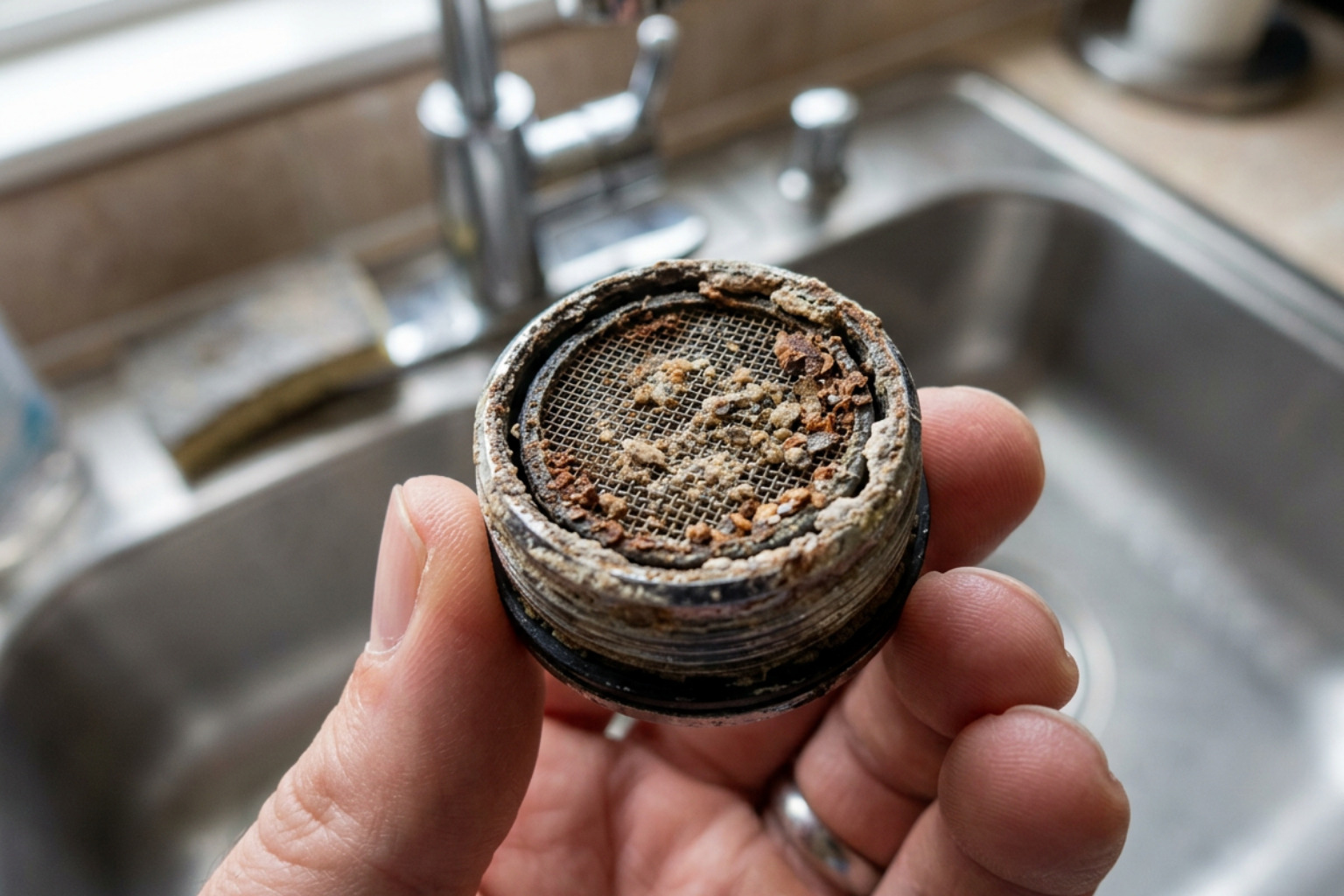
To clean an aerator, unscrew it counterclockwise from the faucet spout. If it is stuck, wrap a rag around it and use pliers gently to avoid scratching the finish. Take the aerator apart, rinse the screen under running water, and use a toothpick or an old toothbrush to clear out any stubborn debris. If you notice heavy white mineral buildup, soak the parts in a cup of white vinegar for about 20 minutes to dissolve the scale before reassembling it.
You can use the same technique for clogged showerheads. If you cannot unscrew the showerhead, fill a plastic sandwich bag with white vinegar, tie it around the shower neck so the showerhead is fully submerged, and let it soak for an hour.
If these basic troubleshooting steps do not restore your water flow, the problem likely requires specialized tools and diagnostic equipment. You can explore our full range of professional solutions on our plumbing repair services page.
Why Only Hot Water Has Low Pressure
If you turn on your cold water tap and receive a strong, steady stream, but your hot water tap produces a weak, disappointing flow, your diagnostic search becomes much simpler. This specific symptom points directly to an issue with your water heater or the hot water supply lines.
There are three primary reasons why hot water pressure drops:
- Sediment Buildup in the Tank: As hard water is heated, minerals crystallize and settle to the bottom of your water heater tank. Over time, this sediment can accumulate to the point where it blocks the hot water outlet pipe, restricting the flow of hot water out of the unit.
- A Partially Closed Inlet Valve: Every water heater has a shut-off valve on the cold water inlet pipe. If this valve was bumped, partially closed during maintenance, or is failing internally, it will restrict the volume of water entering the heater, resulting in low hot water pressure.
- A Broken Dip Tube: The dip tube is a plastic pipe that directs incoming cold water to the bottom of the tank for heating. If this tube disintegrates or breaks, cold water can mix near the top of the tank, disrupting the pressure balance and flow of hot water.
To keep your water heater running efficiently and prevent these blockages, we recommend flushing the tank at least once a year to clear out accumulated sediment. If you want to dive deeper into this topic, read our guide on how can I tell if my water heater is clogged? to learn the warning signs.
How Municipal Water Supply and Shared Lines Impact Pressure
Sometimes, the cause of your low water pressure has nothing to do with your home plumbing at all. Municipal water systems face their own challenges that can directly impact your daily water usage.
Water main breaks are a common cause of sudden pressure drops. When a major underground pipe ruptures in your neighborhood, the local water utility must shut down valves to isolate the break and make repairs. This can cause a temporary drop in pressure or a complete loss of water for nearby homes.

Additionally, municipal water systems use gravity to distribute water, storing it in elevated tanks or water towers. If you live on top of a hill in Wimberley, TX, you will naturally have lower water pressure than your neighbors living in the valley below because there is less elevation difference between your home and the water source.
Shared water lines can also create daily pressure fluctuations. In some older neighborhoods, multiple homes share a single, undersized service line from the main water street line. When your neighbor turns on their lawn sprinkler system at the exact moment you step into the shower, the available water volume is split between both properties, causing your pressure to plummet.
If your home naturally suffers from low municipal pressure due to elevation or shared lines, we can install a water pressure booster pump. These systems consist of a specialized pump and an expansion tank that work together to safely increase the water pressure throughout your entire home.
Preventive Maintenance to Avoid Low Water Pressure
The best way to handle low water pressure is to prevent it from happening in the first place. With a few regular maintenance habits, you can protect your plumbing system and ensure a consistent flow of water for years to come.
First, make it a habit to exercise your main shut-off valves at least twice a year. Gently turn them off and back on again to prevent them from seizing up or corroding in the open position. This ensures that when you need to shut off your water in an emergency, the valve will operate smoothly and seal completely.
Second, schedule an annual water heater flush. This simple task removes the mineral sediment that settles at the bottom of your tank, protecting your heating elements and preventing hot-side pressure drops.
Finally, if you live in an area with hard water, consider installing a home water treatment system. By removing calcium and magnesium before they enter your plumbing system, you can completely eliminate limescale buildup in your pipes, water heater, and fixtures. To explore your options for clean, scale-free water, check out our more info about water softener and filtration services page.
Frequently Asked Questions About Low Water Pressure
What is considered a normal water pressure range for a home?
A normal and safe water pressure range for most residential plumbing systems is between 40 and 80 PSI. Most homes operate best around 50 to 60 PSI, which provides plenty of flow for showers and appliances without putting unnecessary stress on your pipes and joints.
How can I measure my home water pressure myself?
You can measure your water pressure by purchasing a standard pressure gauge from a hardware store. Screw the gauge onto an outdoor hose spigot closest to your water meter, make sure all indoor faucets and appliances are turned off, and turn the spigot valve on fully to get a static pressure reading.
Why is my water pressure suddenly low in the whole house?
A sudden drop in water pressure throughout the entire house is usually caused by a partially closed main shut-off valve, a failed water pressure regulator, a major hidden leak, or a municipal water main break in your local area.
Can a bad water heater cause low water pressure?
Yes, a water heater can cause low pressure, but it will typically only affect your hot water supply. If sediment builds up inside the tank or the cold water inlet valve is partially closed, the flow of hot water to your fixtures will be restricted.
How do I know if my water pressure regulator is failing?
Signs of a failing pressure regulator include a sudden drop in water pressure throughout your home, fluctuating pressure that changes rapidly, or unusually high water pressure that causes banging sounds in your walls when you turn off a faucet.
Can a hidden leak cause a drop in water pressure?
Yes, a major hidden plumbing leak can divert a significant volume of water away from your fixtures, causing a noticeable drop in water pressure. If you suspect a leak, check your water meter to see if it is registering water usage when all taps are closed.
How does hard water affect residential water pressure?
Hard water contains dissolved minerals that gradually build up inside your pipes over time. This limescale accumulation narrows the internal diameter of your plumbing lines, restricting water flow and reducing overall working pressure.
What is the difference between water pressure and water flow?
Water pressure is the force that pushes water through your plumbing system, measured in PSI. Water flow is the actual volume of water coming out of your fixtures over time, measured in gallons per minute. A pipe can have high pressure but low flow if it is restricted by a clog.
Will the city fix my low water pressure if it is their fault?
Yes, if the low pressure is caused by a water main break, municipal maintenance, or a problem on the city side of your water meter, the local utility company is responsible for resolving the issue at no cost to you.
When should I call a professional plumber for low water pressure?
You should call a professional plumber if your water pressure drops suddenly and you cannot find the cause, if you suspect a hidden leak, if your water pressure regulator needs replacement, or if you are dealing with low pressure across your entire home that basic troubleshooting does not fix.
Conclusion
Dealing with low water pressure can make simple daily routines feel like a chore, but you do not have to live with a weak shower or slow-filling appliances. From simple DIY aerator cleanings to professional leak detection and pipe replacements, understanding low water pressure causes is the first step toward restoring your home to peak performance.
At Woods Comfort Systems, we have spent more than 60 years helping families across San Marcos, TX and the surrounding Central Texas communities keep their plumbing systems running smoothly. If you are tired of dealing with weak water flow and want a professional, reliable solution, our team of licensed plumbers is ready to help. Please schedule professional plumbing repair services with us today, and we will get your water flowing exactly the way it should.