

Why Plumbing is the Foundation of Every Safe, Comfortable Home
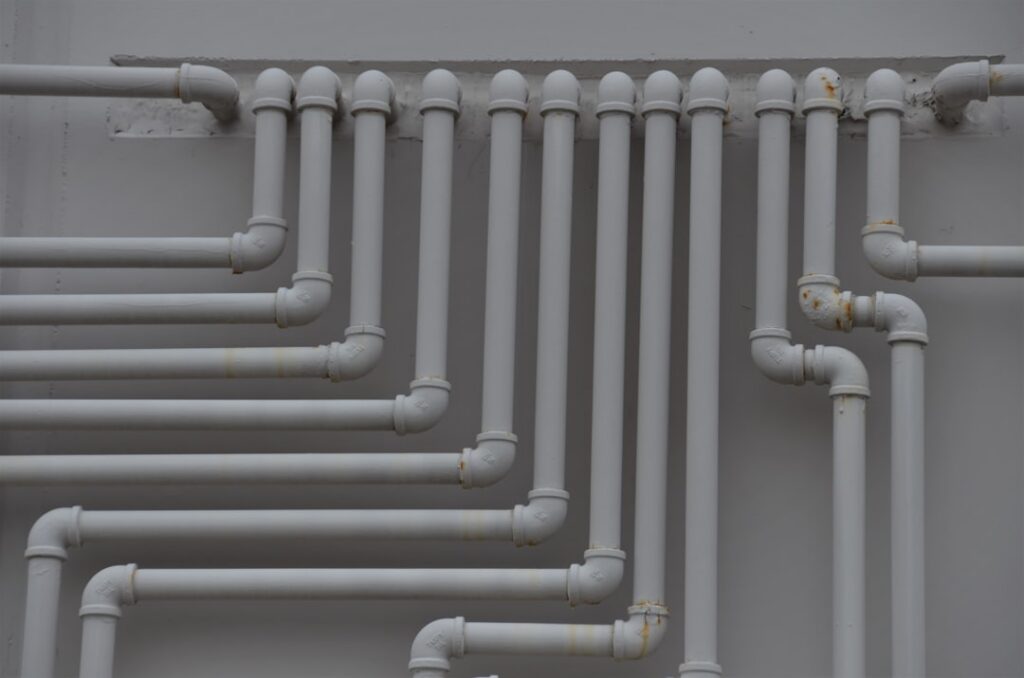
Plumbing is any system that moves fluids through pipes, valves, fixtures, and related components to serve the needs of a building or community. At home, that means two things: clean water coming in and waste water going out. It sounds simple, but the network behind your walls, under your floors, and beneath your yard is more complex than most homeowners realize.
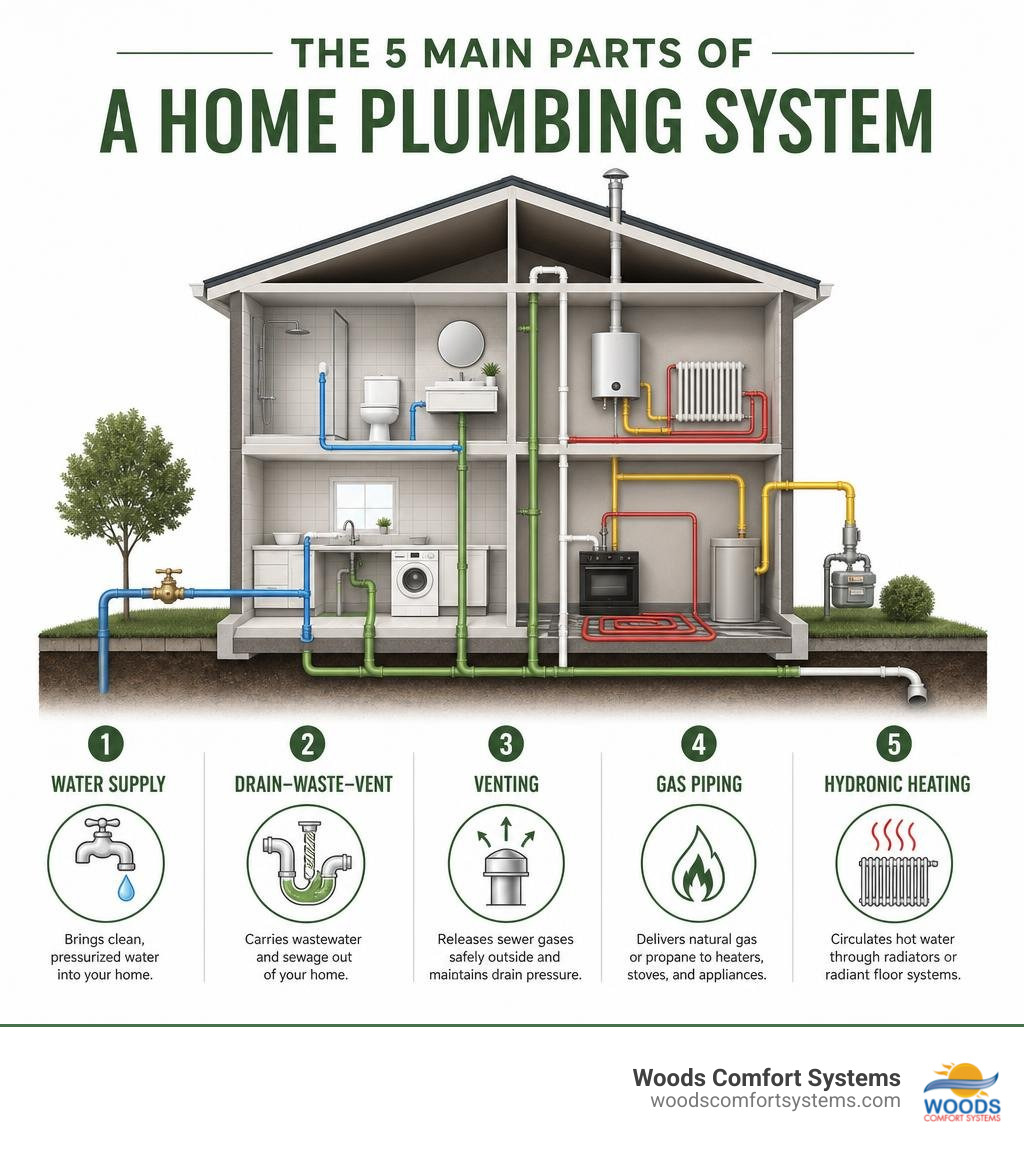
Here is a quick overview of what home plumbing does and why it matters:
| Function | What It Does |
|---|---|
| Water supply | Delivers clean, pressurized water to faucets, showers, and appliances |
| Drain-waste-vent | Removes wastewater and sewage from the home |
| Venting | Releases sewer gases safely outside and maintains drain pressure |
| Gas piping | Supplies natural gas or propane to heaters, stoves, and water heaters |
| Hydronic heating | Circulates hot water through radiators or radiant floor systems |
When your plumbing works, you never think about it. When it does not, it can affect your health, your home’s structure, and your daily routine fast. Waterborne diseases like typhoid and cholera were once common before modern plumbing systems became standard. Today, clean water delivery and proper waste removal remain the backbone of public health in every community.
From a dripping faucet to a burst pipe in the middle of a Texas winter, plumbing problems rarely wait for a convenient time. Understanding how your system works is the first step toward protecting your home.
I’m Chris Woods, owner of Woods Comfort Systems, a third-generation home services company serving Central Texas since 1956, where plumbing is one of the core services we provide alongside heating and cooling. That long track record means we have seen just about every type of plumbing issue a homeowner can face, and we are here to help you understand yours.
What is Plumbing and How Does It Work?
To truly understand how your home functions, we must look at the dual nature of water management. At its core, any plumbing setup relies on two distinct subsystems that do not mix. The first is the supply system, which brings fresh water into your home under pressure. The second is the drainage system, which carries dirty water away using the natural power of gravity.
In residential homes throughout cities like San Marcos, TX and Austin, TX, these systems operate on a localized level. Water enters from a municipal main or a private well, circulates through your home, and exits into a city sewer line or a backyard septic system.
Commercial systems, by contrast, are much larger and more complex. They deal with high-volume usage, multi-story water pressure demands, and strict health codes. Think of large office buildings in San Antonio, TX that require commercial-grade water boosters and massive drainage stacks to prevent backups on lower floors.
On a broader scale, municipal infrastructure connects all of these individual systems. Water treatment plants purify the water before pumping it through miles of underground mains. Once used, that water flows into municipal wastewater facilities to be treated and safely returned to the environment. To explore the deep history and global development of these complex networks, you can read more about plumbing – Wikipedia.
The Core Components of a Home Plumbing System
Every residential plumbing system is made up of several key components working in perfect harmony. If even one of these parts fails, the entire system can experience issues.
- Supply Lines: These are the pipes that carry pressurized, clean water to your faucets, showerheads, toilets, and appliances. In older Texas homes, these might be copper or galvanized steel, while newer constructions heavily utilize flexible plastics.
- Drain Lines: Unlike supply lines, drain lines are not pressurized. They rely on gravity to carry wastewater down and out of your home. They must be carefully sloped to ensure water flows smoothly without pooling.
- Vent Pipes: Often overlooked, vent pipes run from your drain system up through your roof. They allow fresh air into the drain pipes, which prevents a vacuum from forming. Without proper venting, your drains would gurgle, slow down, and eventually stop flowing entirely.
- Fixtures: These are the end-points of your system, including sinks, toilets, bathtubs, and showers. They bridge the gap between the supply and drainage systems.
- Valves: Valves are your control points. They allow you to shut off the water flow to specific fixtures or to your entire home. Knowing where your main shutoff valve is located can save you thousands of dollars in water damage during an emergency.
Because these components must be precisely aligned and sealed to prevent catastrophic leaks, we always recommend relying on professional plumbing installation services for any major home upgrades.
The Five Main Types of Plumbing Systems
Most homeowners think of plumbing as just sinks and toilets, but a fully functional home actually relies on five distinct types of plumbing systems. Each system serves a unique purpose, utilizes different materials, and operates under its own set of physics.
Potable Water and Drainage Systems
The potable water system is your lifeline. It delivers clean, safe water for drinking, cooking, bathing, and cleaning. This water arrives under constant pressure, usually between 40 and 80 pounds per square inch. This pressure ensures that when you turn on a faucet upstairs in your Wimberley, TX home, water flows instantly.
Once that clean water is used, it enters the drain-waste-vent system. This system operates on gravity rather than pressure. Every drain pipe must slope downward at a specific angle, typically one quarter of an inch per foot, to keep water and waste moving.
Atmospheric pressure also plays a huge role here. The vent pipes mentioned earlier keep the air pressure inside your drains equal to the air pressure outside. This balance prevents water from being sucked out of your p-traps, which are the curved pipes beneath your sinks that hold a small amount of water to block smelly sewer gases from entering your living spaces. Properly taking care of your home’s plumbing means keeping these drains clear and your vents free of debris like leaves or bird nests.
Gas Piping and Hydronic Systems
The other two major systems in many Texas homes do not carry water at all, or at least, not water you would ever drink.
Gas piping is a highly specialized plumbing system that delivers natural gas or liquid propane from an outdoor meter or tank directly to your gas appliances. This includes your furnace, water heater, kitchen stove, and outdoor grill. Because gas leaks carry a severe risk of fire or explosion, gas lines must be built with heavy-duty materials, typically black iron or specialized flexible stainless steel, and must be tested under high pressure before use.
Hydronic heating systems use plumbing to keep your home warm. Instead of blowing hot air through ducts, a hydronic system circulates heated water from a boiler through a closed loop of pipes. This water travels to radiators or through plastic tubing installed beneath your floors, providing clean, quiet, and highly efficient radiant heat. While less common in the southern parts of Texas, hydronic systems are highly valued for their consistent warmth.
Modern Pipe Materials vs. Historical Standards
Plumbing materials have evolved dramatically over the last century. In the early 1900s, lead pipes were commonly used because lead is highly malleable and easy to shape. However, as the medical community began to understand the severe health hazards of lead contamination, cities slowly moved away from it. Lead pipes were approved by national codes into the 1980s, and lead solder was finally banned for drinking water systems in 1986.
Following lead, galvanized steel became the standard for water supply lines. While durable, galvanized steel has a service life of only 30 to 50 years. Over time, the zinc coating inside these pipes wears away, leading to rust, corrosion, restricted water flow, and discolored water.
By the 1960s, copper tubing took over as the preferred material for potable water lines. Copper is naturally resistant to corrosion, handles high temperatures well, and has natural antimicrobial properties. However, copper is expensive, rigid, and can be difficult to install in tight spaces.
Today, plastic materials like PVC, CPVC, and PEX have revolutionized the industry. PEX piping is now used in roughly 60 percent of single-family home water supply installations. It is incredibly flexible, highly resistant to scale and chlorine, and can be run in long, continuous loops without the need for joints, which drastically reduces the risk of leaks.
| Pipe Material | Common Era of Use | Average Lifespan | Primary Applications | Pros & Cons |
|---|---|---|---|---|
| Lead | Ancient times to mid-20th century | Variable (highly toxic) | Main water lines, historical drains | Highly malleable but causes severe health issues |
| Galvanized Steel | 1880s to 1960s | 30 to 50 years | Water supply, older drain lines | Strong but prone to internal rust and clogging |
| Copper | 1960s to present | 50 to 70+ years | Potable water supply, heating lines | Durable and reliable but expensive and rigid |
| PVC (Polyvinyl Chloride) | 1940s to present | 100+ years | Drain lines, vent stacks, main sewers | Inexpensive and rust-proof but cannot handle hot water |
| PEX (Cross-linked Polyethylene) | 1990s to present | 40 to 50+ years | Hot and cold potable water supply | Flexible, affordable, leak-resistant but sensitive to UV light |
The Difference Between Pipes and Tubes
In casual conversation, people often use the words pipe and tube interchangeably, but in the plumbing trade, they refer to two very different things. The primary differences lie in how they are measured and their wall thickness.
Pipes are designed to carry fluids and are measured by their nominal inside diameter, often referred to as Iron Pipe Size. A one inch PVC pipe, for example, does not actually have a one inch outer diameter. Instead, it is designed to have an interior opening that allows a specific volume of water to pass through. Pipes generally have thicker walls to handle high pressure or heavy structural loads.
Tubes, on the other hand, are measured by their exact outside diameter. Tubing is typically thinner-walled and is often used for structural purposes or in specialized applications like heat exchangers, hydronic heating loops, and small-diameter water supply lines to fixtures. Because tubes have thinner walls, they require different joining techniques, such as compression fittings, flaring, or soldering, rather than the heavy threading or solvent welding used for pipes.
Common Household Plumbing Problems and Prevention
Every homeowner in places like New Braunfels, TX and Kyle, TX will eventually face a plumbing issue. Many of these issues start small, but ignoring them can lead to massive water bills, structural wood rot, and dangerous mold growth.
The most frequent complaints we hear include slow-draining sinks, dripping faucets, running toilets, and sudden drops in water pressure. Fortunately, many of these issues are entirely preventable. Regularly checking under your sinks for dampness, keeping hair and grease out of your drains, and avoiding harsh chemical drain cleaners can go a long way toward protecting your pipes. For a deeper look at these issues, check out our guide on common household plumbing problems.
Troubleshooting a Toilet That Won’t Flush
A toilet that refuses to flush properly is one of the most frustrating daily disruptions. Before you panic and call for help, there are a few simple components inside the tank you can inspect yourself.
- The Lift Chain: Open the toilet tank lid and look at the chain connecting the flush lever to the flapper valve at the bottom. If the chain is too loose, broken, or has unhooked, it won’t lift the flapper to let water rush into the bowl. Adjusting the chain length usually fixes this in seconds.
- The Flapper Valve: The flapper is the rubber seal at the bottom of the tank. Over time, chlorine and minerals in Texas water can cause the rubber to warp, harden, or decay. If the flapper does not seal completely, water will constantly leak from the tank into the bowl, preventing the tank from filling up enough to create a strong flush.
- The Fill Valve: If the water level in your tank is too low, you won’t get a complete flush. Check the float ball or cylinder attached to your fill valve. If it is set too low, adjust it to allow the water to rise to the manufacturer’s recommended fill line, usually about an inch below the overflow tube.
- Clog Detection: If the tank mechanics look perfect but water simply rises in the bowl without draining, you have a physical clog in the trap or the drain line.
To help you get to the bottom of the issue, we have put together a detailed breakdown of the reasons your toilet isn’t flushing properly.
Why You Should Avoid DIY Plumbing Repair
With so many online video tutorials available, it can be tempting to try to tackle plumbing repairs yourself. However, plumbing is an unforgiving trade. A minor mistake can quickly turn into a major disaster.
First, there is the risk of extensive water damage. A single poorly sealed joint can slowly leak inside a wall for months before you notice the drywall softening, by which time you are dealing with structural rot and toxic mold.
Second, plumbing is strictly regulated. Improperly installed drains or vents can violate local building codes, which can make it incredibly difficult to sell your home in the future without paying for costly reconstructive work.
Finally, professional plumbers use highly specialized, expensive tools that the average homeowner simply does not have. Attempting to clear a sewer line with a cheap, hardware-store drain snake can easily puncture older pipes or get stuck inside the line, turning a simple clog into an incredibly expensive excavation project. We highly recommend reviewing these reasons to avoid DIY plumbing repair before picking up a wrench.
Professional Tools, Codes, and Technology Innovations
Modern plumbers rely on a mix of classic, time-tested hand tools and cutting-edge technology to keep your home running smoothly.

While the classic pipe wrench remains a symbol of the trade, today’s technicians also use high-resolution sewer cameras. These specialized cameras are pushed down drain lines to transmit live video of the pipe’s interior, allowing us to pinpoint exact blockages, tree root intrusions, or collapsed pipes without digging up your yard.
We also use hydro-jetting machines, which blast high-pressure water through drains to scour away years of grease and scale buildup. Additionally, smart leak detectors are growing in popularity. These smart devices attach to your main water line, monitor your home’s water usage patterns, and can automatically shut off your main water supply if they detect an unusual, continuous flow, preventing catastrophic floods while you are away from home.
Technology has also transformed how we heat water. Tankless water heaters have become incredibly popular throughout Central Texas. Unlike traditional tanks that constantly heat and reheat 40 to 80 gallons of water, tankless models heat water instantly on demand, providing an endless supply of hot water while using significantly less energy.
Plumbing Codes and Licensing Requirements
Plumbing is not just about fixing leaks; it is a critical matter of public health. Because of this, the state of Texas and local municipalities enforce strict plumbing codes and licensing standards.
In Texas, anyone performing plumbing work must be licensed by the Texas State Board of Plumbing Examiners. To become a licensed Journeyman or Master Plumber, an individual must complete thousands of hours of supervised on-the-job training, attend classroom hours, and pass rigorous state exams.
These codes dictate everything from the exact slope of your drain lines to the installation of backflow prevention devices, which prevent contaminated water from being siphoned back into your clean drinking water supply. When planning any major changes to your home, hiring the right plumbing and drain cleaning professional ensures that your project is fully compliant with all local safety codes and backed by the proper permits.
Frequently Asked Questions About Plumbing
How do I shut off my home’s main water supply in an emergency?
In most homes, the main water shutoff valve is located on an exterior wall near where the main water line enters the house, often near an outdoor faucet. It can also be found in a ground-level plastic box near your property line close to the street. To shut off the water, turn a gate valve clockwise until it stops, or pull a ball valve lever so that it sits at a right angle to the pipe.
What are the most common causes of low water pressure?
Low water pressure is usually caused by a faulty pressure regulator, mineral and scale buildup inside older galvanized steel pipes, or a hidden pipe leak. If the low pressure is isolated to a single faucet, the culprit is often a clogged aerator screen, which can be easily unscrewed and cleaned.
Why does my water heater make a rumbling noise?
A rumbling sound from your water heater is a classic sign of sediment buildup at the bottom of the tank. Over time, minerals like calcium dissolve out of the water and settle on the bottom. When the burner heats the water, steam bubbles burst through this heavy layer of sediment, causing a loud rumbling or popping noise. Flushing your tank annually can prevent this issue.
Is PEX piping safe for drinking water?
Yes, PEX is fully certified to meet strict NSF International standards for safe drinking water. It is lead-free, highly resistant to corrosion, and does not leach harmful chemicals into your water supply, making it the modern standard for residential water systems.
How often should I have my drains professionally cleaned?
For preventative maintenance, we recommend having your main drain lines professionally cleaned every one to two years. Regular cleaning removes grease, soap scum, and early tree root intrusions before they can cause a complete sewage backup.
What should I do if a pipe bursts in my home?
First, immediately turn off your home’s main water shutoff valve to stop the flooding. Next, open your faucets to drain the remaining water left in the pipes. Once the water has stopped flowing, call a professional plumber right away to repair the damaged pipe and begin drying out any wet areas.
Why does my drain smell like rotten eggs?
This foul odor is usually caused by sewer gas escaping from a dry p-trap. If a sink or shower has not been used in a while, the water in the curved trap underneath can evaporate, allowing gases to rise into your home. Running water down the drain for a few seconds will refill the trap and block the smell. If the smell persists, you may have bacteria buildup that requires professional drain cleaning.
Can I flush flushable wipes down the toilet?
No, you should never flush wipes, even if the packaging claims they are flushable. Unlike toilet paper, which disintegrates rapidly in water, flushable wipes are made of tough synthetic fibers that do not break down. They easily catch on pipe imperfections and tree roots, leading to massive, expensive sewer backups.
How do I prevent my pipes from freezing during a Texas winter?
To protect your pipes during a hard freeze, wrap any exposed outdoor pipes with foam insulation sleeves. Leave your indoor faucets dripping slowly to keep water moving, and open your under-sink cabinet doors to allow warm household air to circulate around the pipes.
When should I hire a professional plumber in San Marcos, TX?
You should always hire a licensed plumber for any complex repairs, sewer backups, gas line work, water heater replacements, or whenever a permit is required. Attempting these projects without the proper training, tools, and licensing can lead to severe safety hazards and code violations.
Conclusion
Your home’s plumbing is a complex, vital system that requires regular attention and care. From the clean water that fuels your household to the safe disposal of wastewater, keeping these systems in top shape is essential for your family’s comfort, health, and peace of mind. While small steps like clearing minor clogs or checking for dampness can be handled at home, major installations, persistent leaks, and system maintenance are always best left to the experts.
If you are dealing with a plumbing issue, don’t wait for a minor drip to turn into a major flood. Our experienced team at Woods Comfort Systems is proud to provide top-tier, reliable expert plumbing repair services to homeowners throughout San Marcos, TX and the surrounding Central Texas communities. With over 70 years of dedicated service, we treat every customer like royalty and are available 24/7 for your urgent plumbing and HVAC needs. Schedule professional plumbing service with us today to keep your home running perfectly.