


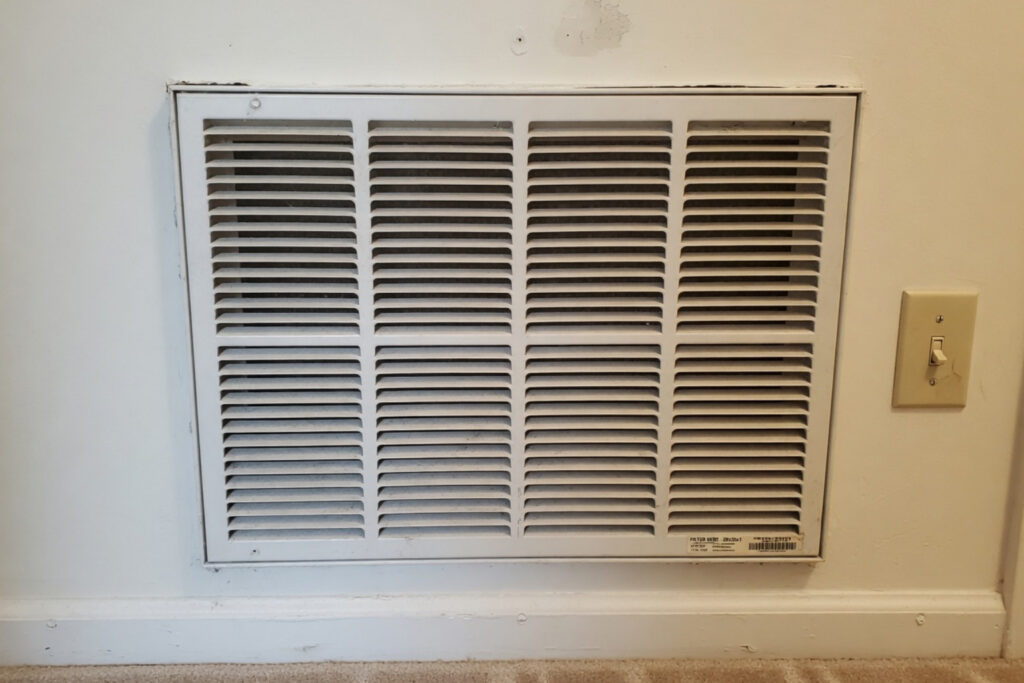
Why Your HVAC Return Air Duct Is the Key to a Comfortable, Efficient Home
An HVAC return air duct is the part of your home’s forced-air system that pulls air from your living spaces back to the air handler or furnace so it can be filtered, conditioned, and recirculated. Most homeowners spend time thinking about their thermostat, their filters, or whether their AC is blowing cold enough, but the return side of the system quietly determines whether any of that works properly.
To understand the true importance of this component, it helps to look at the basic thermodynamics of residential climate control. Your AC system does not actually create cold air; instead, it removes heat from the existing indoor air. This heat extraction process is entirely dependent on the return air system pulling warm air out of your living spaces and carrying it across the cold evaporator coils. If this pathway is restricted, the entire thermodynamic cycle of your system is disrupted, leading to poor performance and increased wear on your equipment.
Here is a quick overview of what an HVAC return air duct does and why it matters:
| What It Does | Why It Matters |
|---|---|
| Pulls air from rooms back to the air handler | Keeps conditioned air circulating throughout the home |
| Operates under negative pressure (suction) | Maintains balanced airflow between supply and return |
| Houses or leads to the air filter | Filters dust, allergens, and particles before reconditioning |
| Connects to a central plenum or return trunk | Routes air efficiently back to the blower motor |
| Sized and placed to match system airflow (CFM) | Prevents static pressure buildup and equipment strain |
When the return system is undersized, blocked, or leaking, the effects ripple across your entire HVAC system. Airflow drops, your blower motor works harder, energy bills climb, and rooms feel stuffy or unevenly heated and cooled. Research shows that restricted return airflow can reduce system efficiency by 15% or more, and pressure imbalances across interior doors exceeding 3 Pascals are directly linked to comfort complaints and moisture problems in homes.
Despite how critical it is, the return air system is one of the most overlooked parts of residential HVAC design and installation. Many homes in Central Texas have return ducts that were sized around budget rather than actual load requirements, and homeowners often do not find out until their system starts struggling.
I’m Chris Woods, owner of Woods Comfort Systems, a third-generation HVAC company serving Central Texas since 1956. Over decades of designing, installing, and troubleshooting HVAC return air duct systems across the region, I’ve seen how a poorly designed return system can undermine even a brand-new, high-efficiency unit. In this guide, I’ll walk you through everything you need to know to understand, evaluate, and maintain your home’s return air system.
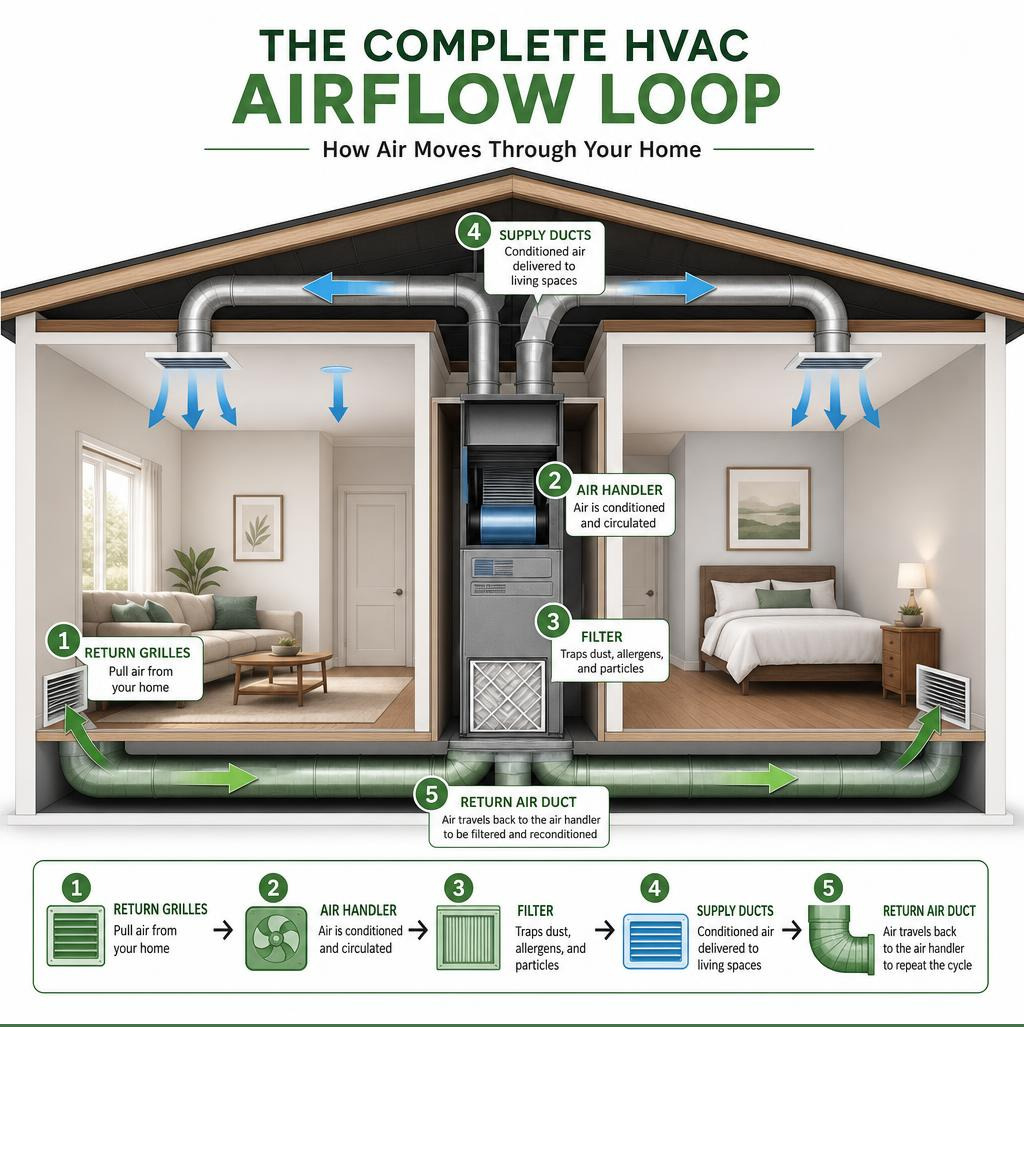
What is an HVAC Return Air Duct and How Does It Work?
To understand how an HVAC return air duct works, it helps to think of your HVAC system as a continuous, closed-loop breathing cycle. The supply ducts act as the system’s exhalation, pushing conditioned (heated or cooled) air into your living spaces. The return ducts act as the inhalation, drawing that same air back to the central unit.
This process relies heavily on negative pressure. When the blower motor inside your air handler or furnace spins, it forces air out through the supply vents. This movement creates a vacuum, or negative pressure zone, on the intake side of the blower. This suction pulls stale, room-temperature air through your return grilles and into the return air duct network.
Before this returned air reaches the blower motor and the heating or cooling coils, it passes through an air filter. This filtration step is vital because it catches dust, pet dander, pollen, and other airborne particles, keeping them from coating the sensitive internal components of your HVAC system.
At the heart of this intake network is the return plenum, which is a large sheet metal or fiberglass box attached directly to the intake side of the air handler. It acts as a central manifold where all individual return ducts meet. This plenum must be designed to allow smooth, laminar airflow into the filter rack and blower compartment. Turbulent airflow inside the plenum can cause uneven velocity across the air filter, leading to premature clogging in certain spots and reduced filtration efficiency.
Without this continuous cycle, your home would quickly become uncomfortable. If you only had supply vents pushing air into a room without a corresponding return pathway, the room would become pressurized. The HVAC system would struggle to push any more air into the space, leading to stagnant air pockets and massive temperature imbalances.
Understanding this cycle is the first step in recognizing how the ductwork affects your air conditioning efficiency in everyday operation.
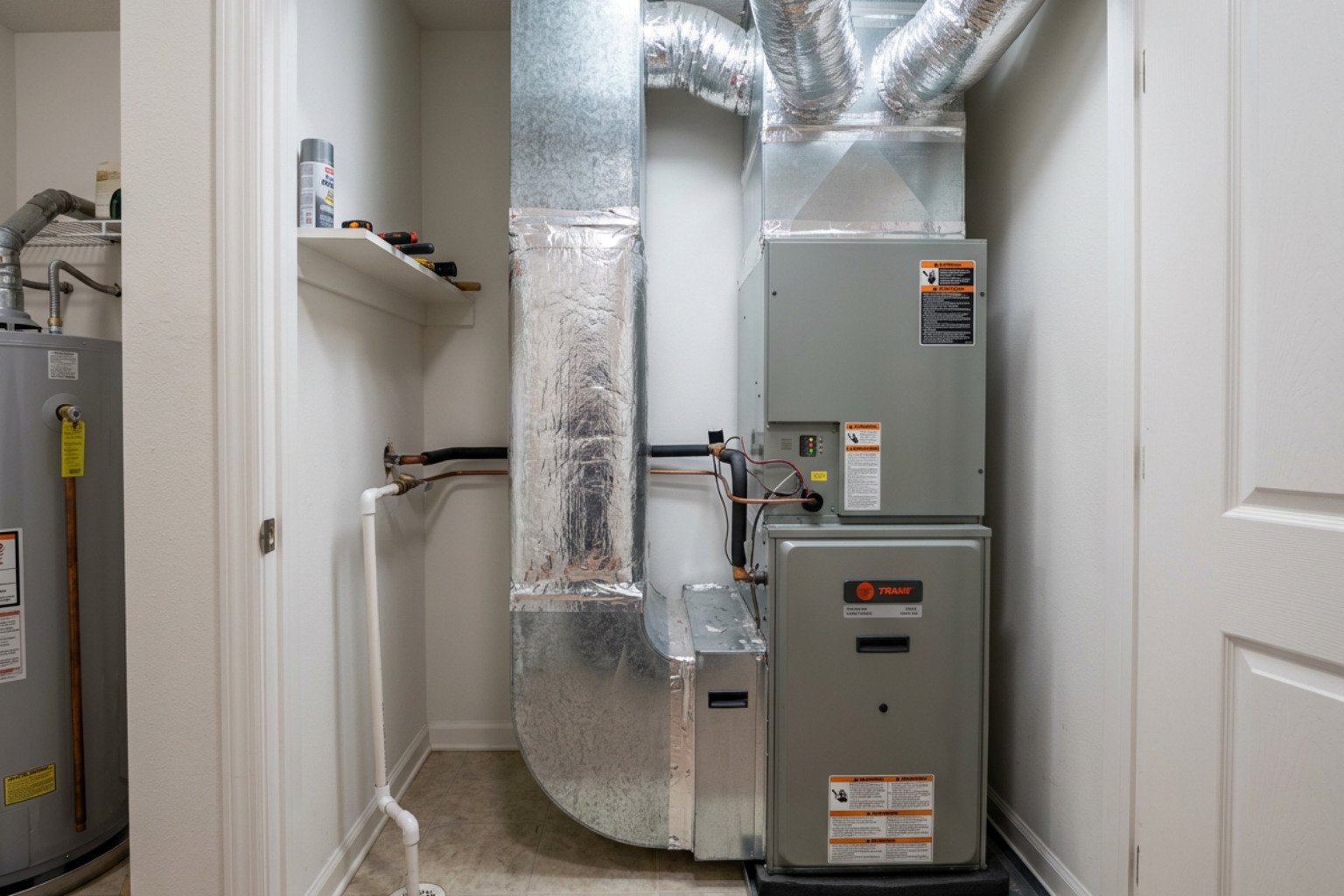
Why Proper HVAC Return Air Duct Sizing and Design Are Critical
When it comes to ductwork, size is everything. A properly sized return duct system ensures that your blower motor can move the correct volume of air, measured in cubic feet per minute (CFM), without facing excessive resistance. This resistance is known in the industry as static pressure.
If your return ducts are too small, your HVAC system is forced to work under high negative static pressure. Think of it like trying to breathe through a tiny straw while running a marathon. Your lungs (the blower motor) have to work twice as hard to get the oxygen (airflow) they need. Over time, this extra strain leads to several serious issues:
- Blower Motor Failure: Operating under high static pressure causes the blower motor to draw more electrical current, run hotter, and eventually burn out prematurely.
- Frozen Evaporator Coils: In the hot summers of San Marcos, TX, a lack of return airflow prevents warm air from passing over the AC evaporator coil. The moisture on the coil quickly freezes, turning your air handler into a solid block of ice.
- Reduced Efficiency: When airflow deviates below design levels, your system’s overall efficiency can drop by 15% or more, resulting in higher utility bills.
Understanding Static Pressure and Manual D Guidelines
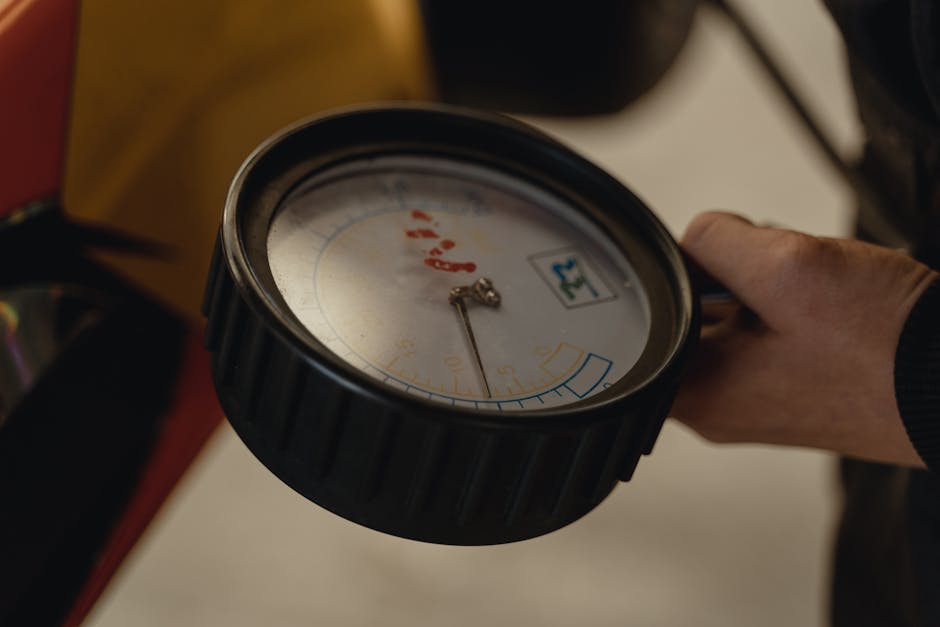
Static pressure is the resistance to airflow within the duct system, measured in inches of water column (in. w.c.). According to the Air Conditioning Contractors of America (ACCA) Manual D, a residential duct system must be designed so that the total external static pressure does not exceed the blower motor’s rated capacity, which is typically 0.50 in. w.c. for standard systems. If the HVAC return air duct is undersized, it can consume more than its fair share of this pressure budget, leaving very little room for the supply ducts, air filter, and evaporator coil. This results in a system that is starved for air, leading to noisy operation and high energy bills.
According to the PNNL guide on ducted returns, return air systems must be designed to minimize friction losses and maintain a balanced pressure environment. Standard residential designs often allocate a static pressure budget of 0.10 to 0.15 inches of water column (in. w.c.) specifically for the return duct side.
If your return side is restricted, it can trigger many of the common ductwork problems that plague homeowners in South Central Texas, including loud whistling noises and uneven cooling.
Central vs. Distributed Return Air Systems
When designing or upgrading an HVAC system, installers typically choose between two primary return air configurations: a central return system or a distributed (multi-point) return system. Both approaches have unique benefits and drawbacks depending on your home’s layout, budget, and comfort goals.
| Feature | Central Return System | Distributed Return System |
|---|---|---|
| Design Complexity | Simple; uses one or two large return grilles in central areas. | Complex; features dedicated return ducts in multiple rooms. |
| Installation Cost | Lower; requires less duct material and labor. | Higher; requires extensive duct runs and framing space. |
| Acoustic Comfort | Can be noisy if located near the main blower unit. | Quiet; airflow is distributed across multiple smaller pathways. |
| Pressure Balance | Requires open interior doors or transfer grilles to avoid pressure buildup. | Excellent; maintains balanced pressure even with doors closed. |
| Filtration Access | Easy; filters are usually changed at the central grilles. | More difficult; often requires changing filters at the central air handler. |
A central return system is common in many older homes across Austin, TX and San Antonio, TX. It relies on a single, large return grille located in a central hallway or stairwell. While this is cost-effective to install, it depends on interior doors remaining open so air from bedrooms can travel back to the central grille.
A distributed return system, on the other hand, places a dedicated return duct in every major room or zone, excluding bathrooms and kitchens. This ensures that even when bedroom doors are closed for privacy, air can easily find its way back to the air handler, keeping temperatures consistent throughout the house.
The Role of the HVAC Return Air Duct in Pressure Balancing
When you close an interior door in a home with a central return system, you effectively block the path for supply air to return to the HVAC unit. As the supply vent continues to pump air into the closed room, the room becomes positively pressurized. Meanwhile, the central hallway containing the return vent experiences negative pressure.
According to the Energy.gov resource on ducted returns, pressure differentials across closed doors should never exceed 3 Pascals (0.012 inches of water column). When pressure differences exceed this limit, several issues occur:
- Air Leakage: Pressurized air in bedrooms is forced out through tiny cracks in the building envelope (around windows and wall plates) into the unconditioned attic or outdoors.
- Infiltration: The negative pressure in the central hallway pulls hot, humid outside air into your living spaces through gaps in the exterior walls, increasing the load on your AC.
- Moisture Issues: In humid climates like New Braunfels, TX, this constant air exchange can pull moisture into wall cavities, leading to mold growth and wood rot.
To prevent these issues without installing a fully distributed return system, HVAC professionals can install transfer grilles (vents cut into walls or doors) or jump ducts (short, flexible duct runs in the attic that connect a bedroom ceiling to a hallway ceiling). These alternative pathways allow air to bypass closed doors, keeping pressures balanced and keeping your family comfortable.
Common Mistakes in HVAC Return Air Duct Installation and Design
Even high-efficiency HVAC units will underperform if the ductwork is poorly installed. Over the years, our team has seen a wide variety of installation mistakes that restrict airflow, waste energy, and decrease indoor air quality.
One of the most common issues is undersized return ductwork. Many contractors focus entirely on the supply side, installing large supply trunks while leaving the return side cramped. If the return duct cannot handle the volume of air the blower is trying to move, the system will run loud, vibrate, and experience frequent component failures.
Another frequent error is the improper installation of flexible ductwork. While flexible ducts are convenient, they are highly susceptible to friction loss. If a flex duct is compressed, bent at sharp angles, or allowed to sag, the internal wire helix creates massive air resistance. A flex duct rated for 400 CFM under perfect laboratory conditions might only deliver 250 CFM if it is poorly supported in a hot attic in Wimberley, TX.
To prevent these issues, flexible ductwork must be installed with proper tension. Industry standards require that flex ducts be pulled fully taut, as any excess slack or compression can increase friction loss by up to 400%. Support straps must be at least 1.5 inches wide and spaced no more than 5 feet apart to prevent sagging. A sagging duct creates a trap where air velocity drops, increasing static pressure and reducing the overall efficiency of your HVAC system.
These installation errors can lead to astronomical utility bills. Homeowners often do not realize that poorly installed ductwork costs significantly more over time than investing in a professional, custom-designed layout from the start. If you notice uneven temperatures, high energy bills, or a noisy system, it is worth looking for the signs you need new ductwork to protect your investment.
Why Building Cavities Make Poor HVAC Return Air Duct Pathways
For decades, it was common practice in residential construction to use empty building cavities, such as wall stud bays or joist spaces under floors, as return air pathways instead of installing dedicated metal or plastic ducts. This practice is known as “panning” joists or walls.
While this saves builders money on materials, building cavities make terrible return air pathways for several reasons:
- Extreme Air Leakage: Building cavities are not airtight. Field measurements have found that panned joist returns often leak more than 20% of their total airflow. They draw unconditioned, dusty air from attics, crawlspaces, and wall cavities directly into your breathing air.
- Contaminant Infiltration: Because these cavities are open to the building structure, they pull in insulation fibers, drywall dust, pest droppings, and mold spores.
- Moisture and Mold: In humid areas like Kyle, TX, pulling warm, humid air through uninsulated wall cavities can cause condensation to form on the backside of drywall, creating a breeding ground for mold.
- Fire Hazards: Using structural cavities as ducts can allow smoke and fire to spread rapidly through walls and floors if a fire breaks out.
Modern building codes, including the International Residential Code (IRC) and International Mechanical Code (IMC), heavily restrict or prohibit using framing cavities as supply ducts, and highly discourage them for returns. For the best performance and indoor air quality, all return pathways should consist of fully ducted, sealed, and insulated pipes. Home inspectors pay close attention to this, as outlined in the InterNACHI guidelines on inspecting ducted returns.
Maintenance, Sealing, and Troubleshooting Your Return System
Keeping your return air duct system in top shape does not have to be complicated, but it does require regular attention. The most basic and important maintenance task is replacing your air filters on schedule. A dirty, clogged filter acts just like an undersized duct, choking your system of airflow and driving up operating costs.
Beyond filter changes, duct sealing is one of the most cost-effective home improvements you can make. Because return ducts operate under negative pressure, any leaks in the ductwork will pull dirty, hot air from your attic or crawlspace directly into your system.
While a leak in a supply duct blows conditioned air into the attic, a leak in a return duct sucks hot, dusty, and potentially moldy attic air directly into the HVAC system. This bypasses the air filter if the leak is located between the filter and the air handler, coating the blower motor and evaporator coil with dirt and debris. To seal these leaks, professionals use a thick, paint-on mastic sealant or specialized metal tape. Traditional fabric duct tape should never be used, as it degrades quickly under temperature changes and fails completely within a few years.
If you are dealing with drafty rooms or high dust levels, reading through an AC duct fixing guide can help you understand the sealing process. For older or severely damaged systems, investing in professional duct repair services is the best way to restore comfort and efficiency.
Ignoring your ductwork can lead to severe system issues down the road. For instance, dirty ductwork and furnace issues often go hand-in-hand, as accumulated dust bypasses poor filtration systems and coats the heat exchanger, leading to overheating and cracked components.
Frequently Asked Questions About HVAC Return Air Ducts
What is the main purpose of an HVAC return air duct?
The primary purpose of an HVAC return air duct is to draw air from your home’s living spaces back to the air handler or furnace. This allows the air to be filtered, cooled or heated, and redistributed, maintaining a continuous cycle of balanced airflow and consistent indoor temperatures.
How do I know if my home has enough return air vents?
If your home has rooms that feel stuffy, temperatures that vary significantly from room to room, or doors that slam shut on their own when the AC turns on, you likely do not have enough return air pathways. A professional airflow test can confirm if your system is starved for air.
Can a return air vent be too large?
No, a return air vent cannot be too large. Larger return vents reduce static pressure, making it easier for the blower motor to pull air, which reduces noise and wear on the system. However, the duct connected to the vent must still be properly sized to maintain correct air velocity.
What happens if I block a return air vent with furniture?
Blocking a return vent with furniture, drapes, or rugs restricts the amount of air returning to your HVAC unit. This starves the blower motor, increases static pressure, lowers system efficiency, and can cause your cooling coils to freeze or your furnace to overheat.
Why is my return air vent making a loud whistling noise?
A loud whistling or rushing sound usually indicates that your return vent or duct is undersized for the volume of air your blower motor is trying to pull. This high velocity forces air through the grille slats too quickly, creating a whistle. Upgrading to a larger grille or adding a second return can solve this.
Is it okay to use wall cavities as return air ducts?
No, using wall cavities or floor joists as return air pathways is highly discouraged. These spaces are not airtight, meaning they pull dusty, humid air from your attic, crawlspaces, or walls into your home, reducing indoor air quality and increasing energy costs.
How often should I clean my return air ducts?
Typically, return air ducts should be inspected every few years and cleaned if there is visible dust buildup, mold growth, or pest activity. Keeping your air filters changed regularly is the best way to prevent dirt from accumulating in your return ductwork.
What is the difference between a supply vent and a return vent?
Supply vents push conditioned (warm or cool) air into your rooms and have adjustable louvers to direct airflow. Return vents are usually larger, have non-adjustable grilles, and pull air out of your rooms back to the HVAC system.
How does an undersized return duct affect my energy bills in San Marcos, TX?
An undersized return duct forces your blower motor to work harder and run longer to condition your home. This extra workload can increase your monthly energy bills by 15% or more and shorten the lifespan of your expensive HVAC equipment.
Should every bedroom have a dedicated return air vent?
Ideally, yes. Having a dedicated return in each bedroom provides the best temperature balance and privacy. If running individual ducts is not feasible, installing jump ducts or transfer grilles is an effective alternative to keep air flowing when doors are closed.
Conclusion
Your home’s ductwork is the unsung hero of your comfort system. While a high-efficiency AC unit is a great investment, it can only perform as well as the ductwork allows. Ensuring you have a properly designed, sized, and sealed HVAC return air duct system is the key to lower utility bills, cleaner indoor air, and a home that stays comfortable even during the hottest Central Texas summers.
At Woods Comfort Systems, we have spent more than 60 years helping families across San Marcos, TX, New Braunfels, TX, and the surrounding areas stay comfortable. Our experienced team can perform a comprehensive static pressure audit, evaluate your duct design, and install custom solutions tailored to your home’s unique layout.
Whether you need fast AC repairs, seasonal HVAC maintenance, or a complete system replacement, the team at Woods Comfort Systems is ready to help. Contact us to schedule your professional ductwork services today!