

Is This a Plumbing Emergency? What San Marcos Homeowners Need to Know Right Now
Knowing when to call an emergency plumber can be the difference between a quick fix and thousands of dollars in water damage. If you’re dealing with a plumbing problem right now, here’s a fast answer:
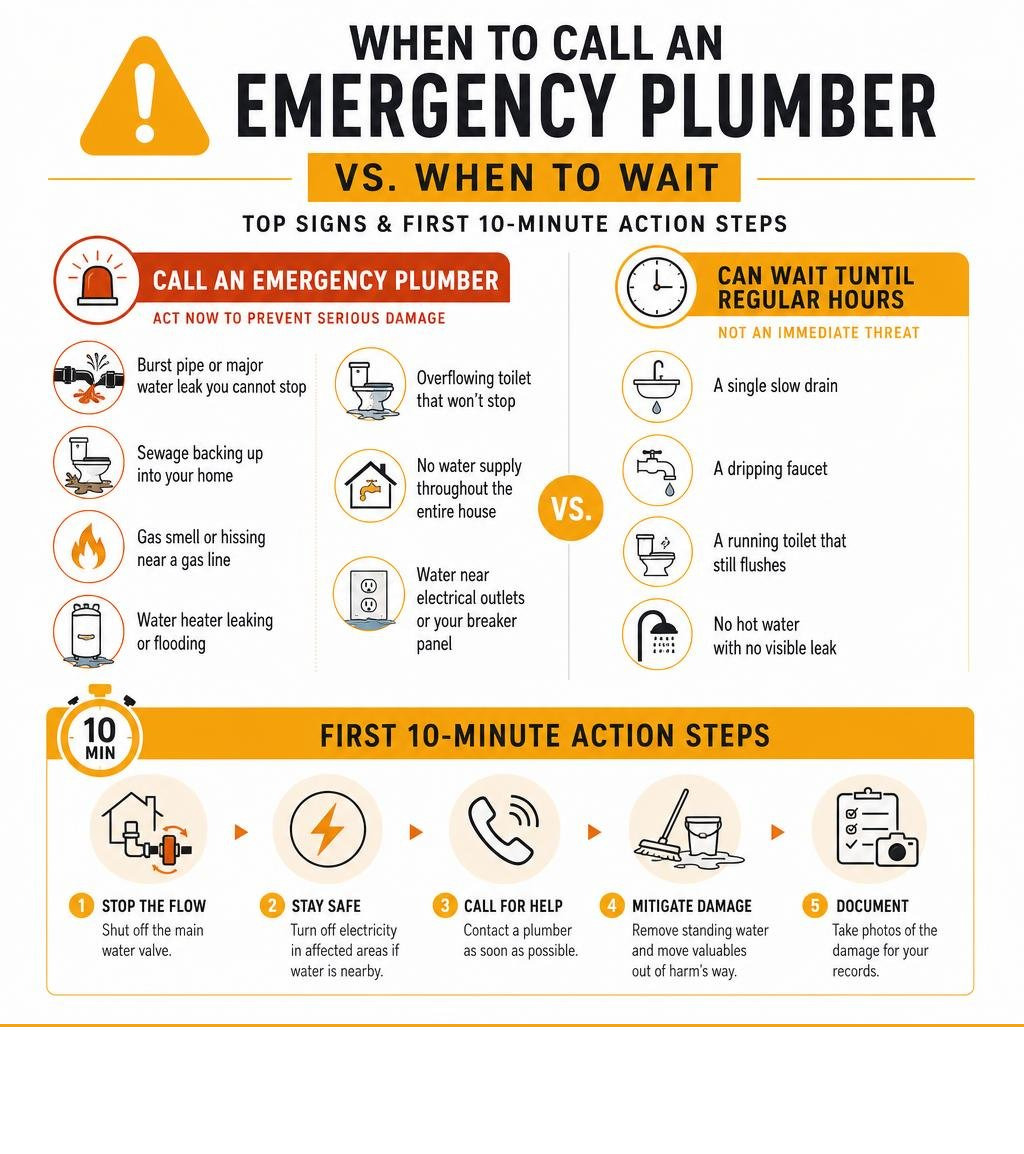
Call an emergency plumber immediately if you have:
- A burst pipe or major water leak you cannot stop
- Sewage backing up into your home
- A gas smell or hissing near a gas line
- A water heater that is actively leaking or flooding
- An overflowing toilet that won’t stop
- No water supply throughout the entire house
- Water near electrical outlets or your breaker panel
These issues can typically wait until regular business hours:
- A single slow drain
- A dripping faucet
- A running toilet that still flushes
- No hot water with no visible leak
A plumbing problem can go from minor to catastrophic in minutes. A single burst pipe can release gallons of water before you even realize what happened, and sewage backups can contaminate floors, walls, and air within hours. For homeowners in San Marcos, TX, the stress of a midnight flood or a backed-up sewer is very real, and acting fast is the only way to limit the damage.
I’m Chris Woods, owner of Woods Comfort Systems, and after decades of helping Central Texas homeowners navigate urgent home system failures, I’ve seen how quickly a delayed call about when to call an emergency plumber can turn a manageable problem into a full-scale restoration project. Keep reading and I’ll walk you through exactly what to look for, what to do first, and how to protect your home.
Emergency vs. Standard Plumbing: What is the Difference?
Every homeowner will eventually face a plumbing issue, but not every dripping pipe requires a midnight service call. Distinguishing between active damage and standard maintenance is key to protecting both your home and your wallet.
Standard plumbing services focus on planned, low-risk tasks. These are scheduled appointments during regular business hours for things like installing new fixtures, conducting routine inspections, or fixing minor inconveniences. While these tasks are essential for the long-term health of your home, they do not pose an immediate threat to your property or your family’s safety.
An emergency plumbing situation, on the other hand, involves active damage or an immediate safety hazard. If water is actively spreading across your floors, or if a toxic substance like raw sewage or natural gas is entering your living space, you have a true emergency. These situations require immediate professional intervention to stabilize your home, prevent structural collapse, and eliminate health risks.
Understanding the most common residential plumbing problems in San Marcos, TX can help you identify when a situation is transitioning from a minor nuisance into a major crisis.
| Feature | Emergency Plumbing | Standard Plumbing |
|---|---|---|
| Availability | 24 hours a day, 7 days a week, 365 days a year | Standard business hours |
| Response Time | Immediate dispatch (often within 1 to 2 hours) | Scheduled appointment window |
| Primary Focus | Mitigating active damage and safety hazards | Maintenance, planned upgrades, and minor repairs |
| Examples | Burst pipes, gas leaks, sewage backups | Dripping faucets, single slow drains, toilet replacement |
| Cost Structure | After-hours or emergency rates apply | Standard flat-rate or hourly pricing |
When to Call Emergency Plumber: The Top Warning Signs
Plumbing emergencies rarely happen at convenient times. They often strike in the middle of the night, during holiday gatherings, or when you are away from home. Recognizing the warning signs of a major failure allows you to act before the damage escalates.
Burst Pipes and Major Water Leaks
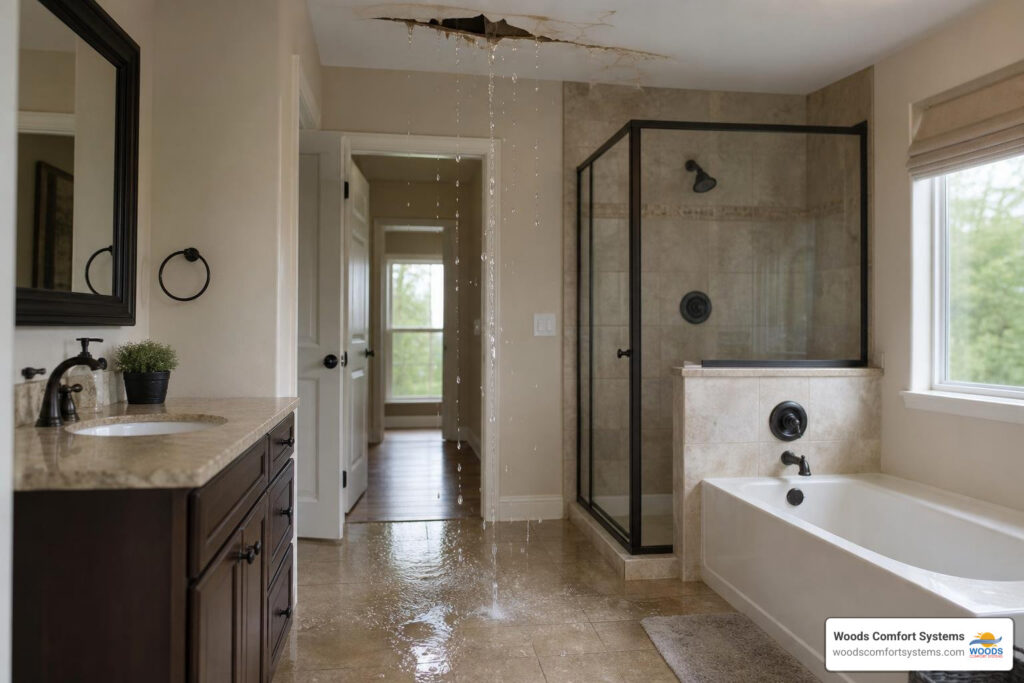
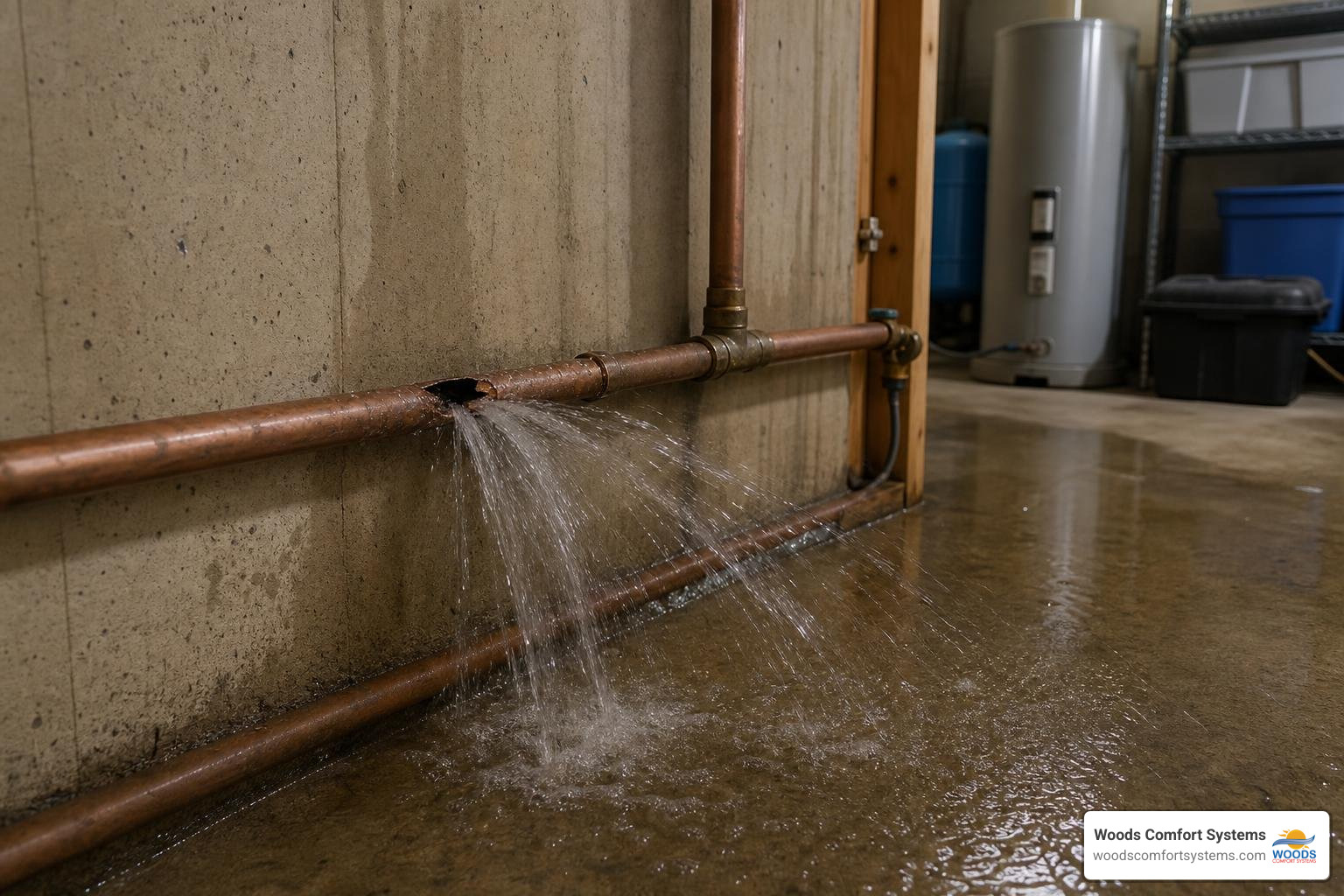
A single burst pipe can release hundreds of gallons of water in just a few minutes. This rapid flooding quickly threatens your home’s structural integrity, ruining drywall, warping hardwood floors, and saturating carpet. If the water reaches your electrical system, it can even create a dangerous fire hazard.
Pipes can burst due to aging materials, accidental physical damage, or high water pressure. In Central Texas, we also face the occasional hard freeze, which can cause water inside unprotected pipes to freeze. Because water expands about 9% when it turns to ice, it creates immense pressure inside the line. When that ice thaws, the weakened pipe ruptures, leading to sudden, catastrophic flooding.
Even if you only notice a small, persistent damp spot on your wall, it is critical to investigate. Reading about why you shouldn’t ignore even a small plumbing leak will help you understand how minor drips can quickly evolve into major pipe bursts behind your walls.
Sewage Backups and Clogged Main Lines
A sewage backup is one of the most hazardous plumbing emergencies you can experience. Unlike a simple sink clog, a sewer line backup involves blackwater, which is highly contaminated with harmful bacteria, viruses, and physical pathogens.
How do you know if your main sewer line is clogged? Watch for these warning signs:
- Multiple slow drains throughout your home at the same time.
- Water backing up into your shower or bathtub when you flush the toilet.
- Gurgling noises coming from your drains or toilet bowls.
- A strong, foul sewage odor permeating your home or yard.
If you notice these signs, stop using all water fixtures immediately and call for professional assistance. Attempting to clear a main line clog with harsh chemical drain cleaners is not recommended, as these chemicals can corrode older pipes and rarely resolve the underlying blockage. Instead, you need professional drain cleaning and unclogging to safely clear the line and restore proper flow.
Gas Leaks and Hissing Lines
Many home plumbing systems are closely integrated with gas lines that supply fuel to water heaters, furnaces, and stoves. A gas leak is an immediate life-safety emergency that requires instant action.
Natural gas is naturally odorless, but utility providers add a chemical called mercaptan to give it a highly distinctive sulfur or rotten egg odor. If you smell this scent, hear a persistent hissing sound near your gas appliances, or notice an orange flame instead of a crisp blue flame on your stove burner, you must evacuate immediately.
Do not flip any light switches, use your phone inside, or start your car, as any tiny electrical spark can ignite the gas. Once you are safely outside and away from the property, call 911 and your gas utility provider, such as the Texas Gas Service, to shut off the gas main. After the utility company has secured the area, an emergency plumber can safely repair the damaged gas line.
How to Assess Your Situation Before Calling
When you discover water pooling on your floor at 2 AM, it is easy to panic. Taking a moment to assess the situation using a simple three-question framework can help you decide whether you need to pay for an immediate emergency dispatch or if you can wait until normal business hours.
To determine if you should call an emergency plumber, ask yourself these three questions:
- Is there active water damage occurring right now? If water is actively spreading, soaking into your walls, or dripping through your ceiling, you cannot wait. If you can completely shut off the water supply to that specific fixture and stop the leak, the issue is stabilized and can likely wait until morning.
- Is there an immediate safety risk? If you smell gas, suspect a sewage backup, or see water pooling near electrical panels or outlets, this is a safety hazard that requires immediate professional help.
- Can your household function normally without this fixture? If your only toilet is clogged and overflowing, it is an emergency. If you have a second bathroom that works perfectly fine, you can simply close the door to the broken bathroom and schedule a standard repair during regular business hours.
Taking the time to evaluate these questions protects you from unnecessary after-hours fees. However, if you do determine that professional help is required, attempting complex repairs yourself can often make the problem worse. There are many practical reasons to avoid DIY plumbing repair, especially during a high-stress emergency when a single mistake can cause further property damage.
When to Call Emergency Plumber for Water Heater Failures
A failing water heater can quickly turn from an annoying cold shower into a major household emergency. While a broken heating element that leaves you with lukewarm water can usually wait for a scheduled appointment, other water heater issues require immediate attention.
If your water heater tank is actively leaking, it can release dozens of gallons of hot water directly into your utility closet or garage. This is especially dangerous in cold weather, when a complete loss of heat and hot water can pose health risks to vulnerable family members.
Additionally, if you hear loud popping, banging, or rumbling sounds coming from your water heater, it indicates a severe buildup of sediment that is trapping steam at the bottom of the tank. This overheating can damage the tank’s inner lining and lead to a sudden rupture. If you notice active flooding or strange noises, shut off the water and power supply to the unit and call for professional water heater services right away.
When to Call Emergency Plumber for Toilet Overflows
An overflowing toilet is a common household nightmare. If a toilet clogs and begins to spill water over the rim of the bowl, you must act fast to prevent unsanitary water from soaking into your bathroom floor.
The very first step is to locate the water shutoff valve behind the toilet and turn it clockwise to stop the flow of water into the tank. If the water continues to rise or if the shutoff valve is stuck, you may need to shut off the main water valve to the entire house.
If the overflow is caused by a simple clog and you have another working bathroom, you can wait to call a plumber during normal business hours. However, if the toilet is overflowing uncontrollably with raw sewage, or if it is the only toilet in your home, the sanitation risks are too high to delay. Understanding the common reasons your toilet isn’t flushing can help you communicate the exact issue to your plumber when they arrive.
What to Do in the First 10 Minutes of a Plumbing Emergency
When a plumbing disaster strikes, your actions in the first ten minutes can save you thousands of dollars in restoration costs. Follow this step-by-step checklist to contain the damage before the emergency plumber arrives:
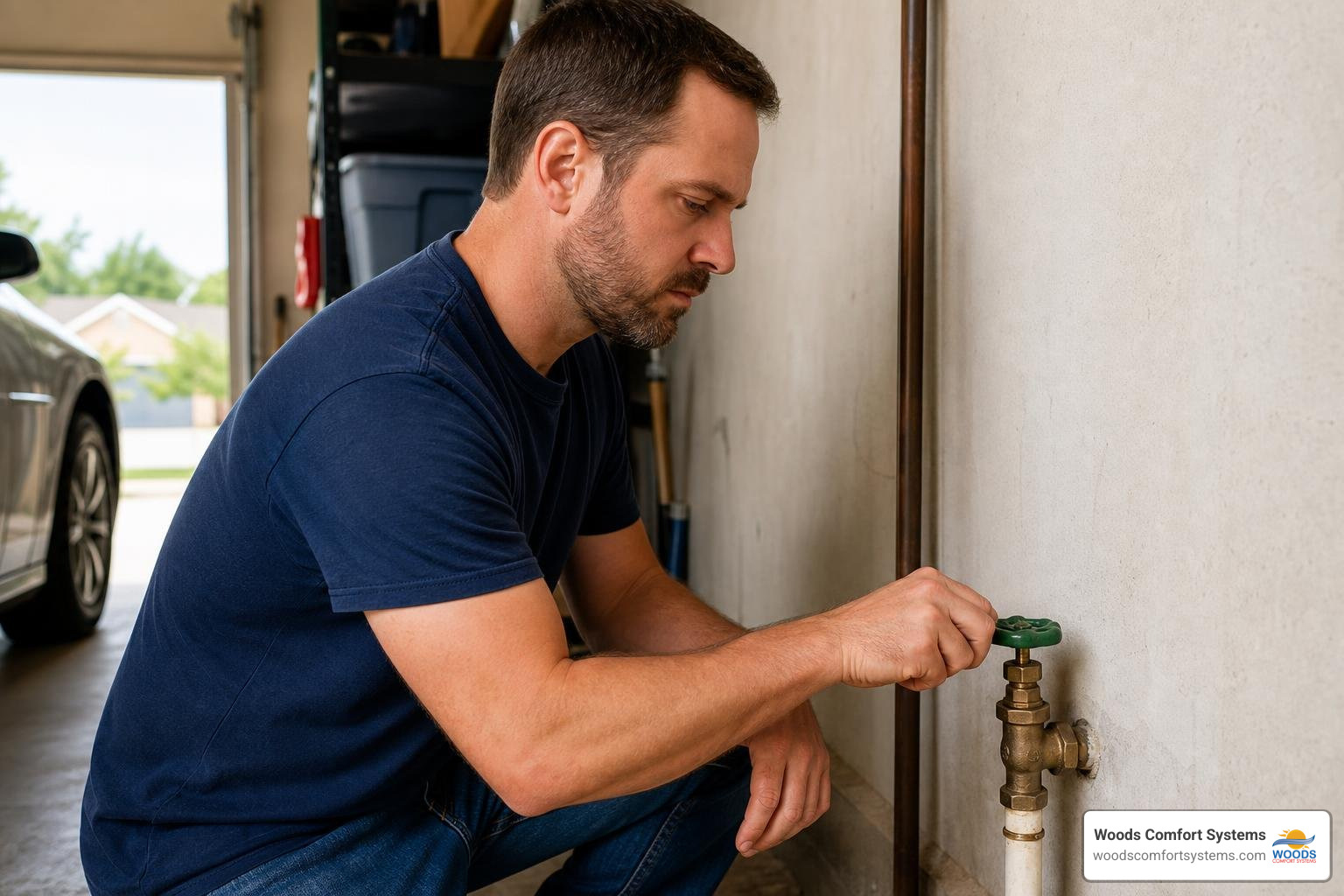
- Shut off the water supply: If the leak is isolated to a single fixture (like a sink or toilet), turn the local shutoff valve clockwise. If the leak is behind a wall or you cannot locate the source, go to your main water shutoff valve (usually located near the street, in your garage, or in a utility closet) and shut off the main water supply to the entire home.
- Turn off the electricity: If water is leaking near electrical outlets, appliances, or your main breaker panel, do not touch any wet areas. Go to your electrical panel and safely switch off the power to the affected zones of your home to prevent electrocution or electrical fires.
- Contain the leak: Place buckets, plastic bins, or heavy towels under active drips to catch as much water as possible. Use a wet/dry vacuum to remove standing water from floors and carpets to limit absorption.
- Document the damage: Take clear photos and videos of the leaking pipe, the standing water, and any damaged property or furniture. This documentation is incredibly valuable for your homeowners insurance claim.
- Clear a path for the plumber: Move any furniture, rugs, or stored items away from the work area so the plumber can access the broken pipe or fixture immediately upon arrival.
Making quick, informed decisions during a crisis is essential. Reviewing our guide on Texas emergency decision HVAC and plumbing can provide you with additional peace of mind and prepare you for any unexpected home system emergencies.
The Real Cost of Delaying Emergency Plumbing Repairs
Ignoring a plumbing leak or delaying an emergency call to save money is a risky gamble that almost always ends up costing more in the long run. Water is incredibly destructive, and its effects on your home become progressively worse with every hour that passes.
Within just 24 to 48 hours of a major leak, mold spores can begin to germinate on damp drywall, wood, and insulation. Mold remediation is a complex, expensive process that requires specialized equipment and can pose serious respiratory health risks to your family. Over time, standing water will also rot wooden structural beams, warp subfloors, and cause ceilings to sag and eventually collapse.
Furthermore, excess moisture inside your walls creates an ideal environment for pests. Damp wood and standing water attract termites, cockroaches, rodents, and ants, turning a plumbing issue into an active pest control problem. Learning more about the link between your plumbing leak and an increase in pests highlights why prompt repairs are so vital for maintaining a clean, healthy home.
Frequently Asked Questions About Plumbing Emergencies
What is considered a true plumbing emergency?
A true plumbing emergency is any sudden issue that poses an immediate threat to your home’s structural integrity, your family’s safety, or your basic health. This includes burst pipes causing active flooding, sewage backing up into living spaces, gas leaks, water heater failures that flood your home, or a complete loss of water supply to the entire house.
How much does an emergency plumber cost in San Marcos, TX?
Emergency plumbing service rates are typically higher than standard rates because they require immediate dispatch after hours, on weekends, or during holidays. The final cost will vary depending on the complexity of the repair, the parts required, and the time of day, but we always provide clear communication about our pricing before starting any work.
Can I turn off the main water valve myself?
Yes, and every homeowner should know how to do this. Your main water shutoff valve is typically located near your water meter by the street, or inside your garage or utility closet. Turning this valve clockwise will shut off all water to your home, giving you time to wait for a plumber without active flooding.
What should I do if I smell gas in my home?
If you smell natural gas or suspect a leak, evacuate your home immediately. Do not use your phone, flip light switches, or touch any electrical appliances, as a spark could trigger an explosion. Call 911 and your gas utility provider from a safe distance outside, and do not re-enter the home until professionals declare it safe.
Why is my toilet overflowing and how do I stop it?
Toilets overflow when there is a blockage in the drain line or the sewer pipe, preventing flushed water from exiting the bowl. Stop the overflow immediately by turning the shutoff valve behind the toilet clockwise, or by pushing down the flapper valve inside the toilet tank to stop more water from entering the bowl.
Can a clogged drain wait until regular business hours?
If the clog is restricted to a single sink or shower and you have another working drain in your home, it can easily wait for a scheduled appointment. However, if multiple drains are backing up simultaneously, it indicates a main sewer line blockage, which is an emergency that requires immediate attention.
How do I prevent my pipes from freezing and bursting in winter?
To protect your plumbing during freezing weather, insulate exposed pipes in unheated areas like your crawlspace or attic. Keep your home’s thermostat set to at least 55 degrees Fahrenheit, and let your faucets drip slowly during hard freezes to relieve pressure inside the lines.
What are the health risks of a sewage backup?
Sewage backups contain blackwater, which is loaded with bacteria, viruses, and parasites that can cause severe gastrointestinal illness and skin infections. Raw sewage also releases toxic gases and creates a breeding ground for mold, making professional remediation absolutely necessary.
How quickly does mold start growing after a water leak?
Mold spores can begin to grow and multiply on damp surfaces within 24 to 48 hours of moisture exposure. Promptly drying out wet drywall, carpeting, and wood is essential to prevent a widespread mold infestation after a plumbing leak.
When should I call the utility company instead of a plumber?
You should call your city utility company if you notice a water leak out in the street, at your water meter box, or if your entire neighborhood has lost water pressure. If the issue is located on your property past the main meter, it is the homeowner’s responsibility and requires a licensed plumber.
Conclusion
Plumbing emergencies are stressful, but being prepared and knowing exactly when to call an emergency plumber can save your home from devastating water damage. By understanding the warning signs of burst pipes, main line clogs, and water heater failures, you can act quickly to protect your property and keep your family safe.
Taking proactive steps, like scheduling regular plumbing maintenance and knowing the location of your main water shutoff valve, is the best way to prevent unexpected disasters. When a crisis does strike, having a trusted, local team ready to respond makes all the difference.
Whether you need fast plumbing repairs, seasonal maintenance, or a complete water heater replacement, the team at Woods Comfort Systems is ready to help. Our family-owned business has served Central Texas for over 60 years with 24/7 emergency service and royal customer treatment. Please contact us or schedule an appointment today to keep your home’s plumbing running smoothly.