



Why San Marcos Homes Get Dry Air in House Winter Months
Homeowners searching for help with dry air in house winter conditions often notice the problem after a Central Texas cold front keeps the heat running for several days. As indoor air warms, its relative humidity can fall, especially in rooms with drafts, uneven airflow, or frequent door use. Comparing how those rooms feel with the rest of the home can help identify whether the concern is localized or widespread.
A dry home may show up as static shocks, dry skin, a scratchy throat, or wood trim that seems to shift slightly. These comfort concerns do not always mean the HVAC system has failed. They do mean it is worth checking how the home is heated, how outside air is getting in, and whether the indoor humidity level is being monitored.
Why Heating Can Make Indoor Air Feel Drier
Cool outdoor air carries less moisture than warm air. When that air enters through normal ventilation or small gaps and is heated indoors, the relative humidity can drop even though the heating equipment is doing its job. Longer heating cycles during a cold snap can make the change more noticeable from one day to the next.
Homes also lose conditioned air through gaps around doors, windows, attic openings, plumbing penetrations, and duct connections. Warm indoor air moves upward, and replacement air is drawn in through lower-level leaks. Improving insulation, sealing obvious drafts, and maintaining the heating system can help reduce those swings in comfort. For more seasonal guidance, see winter indoor air quality.

Drafts and Airflow Problems Can Add to the Issue
A room that feels especially dry may also have a comfort problem caused by uneven airflow. Note whether the room is far from the thermostat, over a garage, near an exterior door, or noticeably different at certain times of day. Those patterns give a technician more useful information than a general report that the entire home feels dry.
If those simple checks do not help, the next step is professional diagnosis. Work involving gas, electrical connections, sealed HVAC components, or duct repairs belongs with our technician. That approach protects the equipment and helps identify the actual cause instead of masking the symptom.
Signs Your Home May Be Too Dry
Dry indoor air is often first noticed through everyday comfort changes rather than a single dramatic problem. People managing dry air in house winter conditions may notice more static when touching metal, dry skin after spending time indoors, or a scratchy throat on waking. Wood floors, doors, trim, and furniture can also respond to changing moisture levels by creaking, shrinking slightly, or showing small gaps.
Keep Comfort Symptoms in Perspective
These signs can be frustrating, but they are not a diagnosis. If anyone in the household has ongoing or concerning health symptoms, speak with a doctor rather than relying on indoor-air changes alone. For home comfort, a hygrometer can help show whether the humidity reading is consistently low while the heat is running.
Watch for Changes Around the House
Static electricity is a common nuisance in dry conditions, particularly in carpeted rooms and bedrooms. Dry lips or dry skin can also feel worse after long stretches indoors. Those signs are useful prompts to check the home’s humidity and airflow, not a reason to make risky HVAC adjustments. The EPA’s indoor particulate matter guidance also explains why clean airflow and proper filtration are important parts of indoor air quality.
For a clearer service visit, record when the discomfort started, which rooms are affected, and whether it changes after the system runs for a while. Include recent filter changes and any unusual sounds or cycling behavior. Do not remove panels, handle wiring, or attempt repairs inside the equipment; those steps are for our technician after an inspection.
A Comfortable Humidity Range for Central Texas Homes
The U.S. Environmental Protection Agency advises keeping indoor humidity between 30 to 50 percent to help limit excess moisture and mold concerns. In a Central Texas winter, the goal is a balanced indoor environment, not the highest humidity setting possible. Too little moisture can feel uncomfortable, while too much can contribute to condensation or moisture problems.
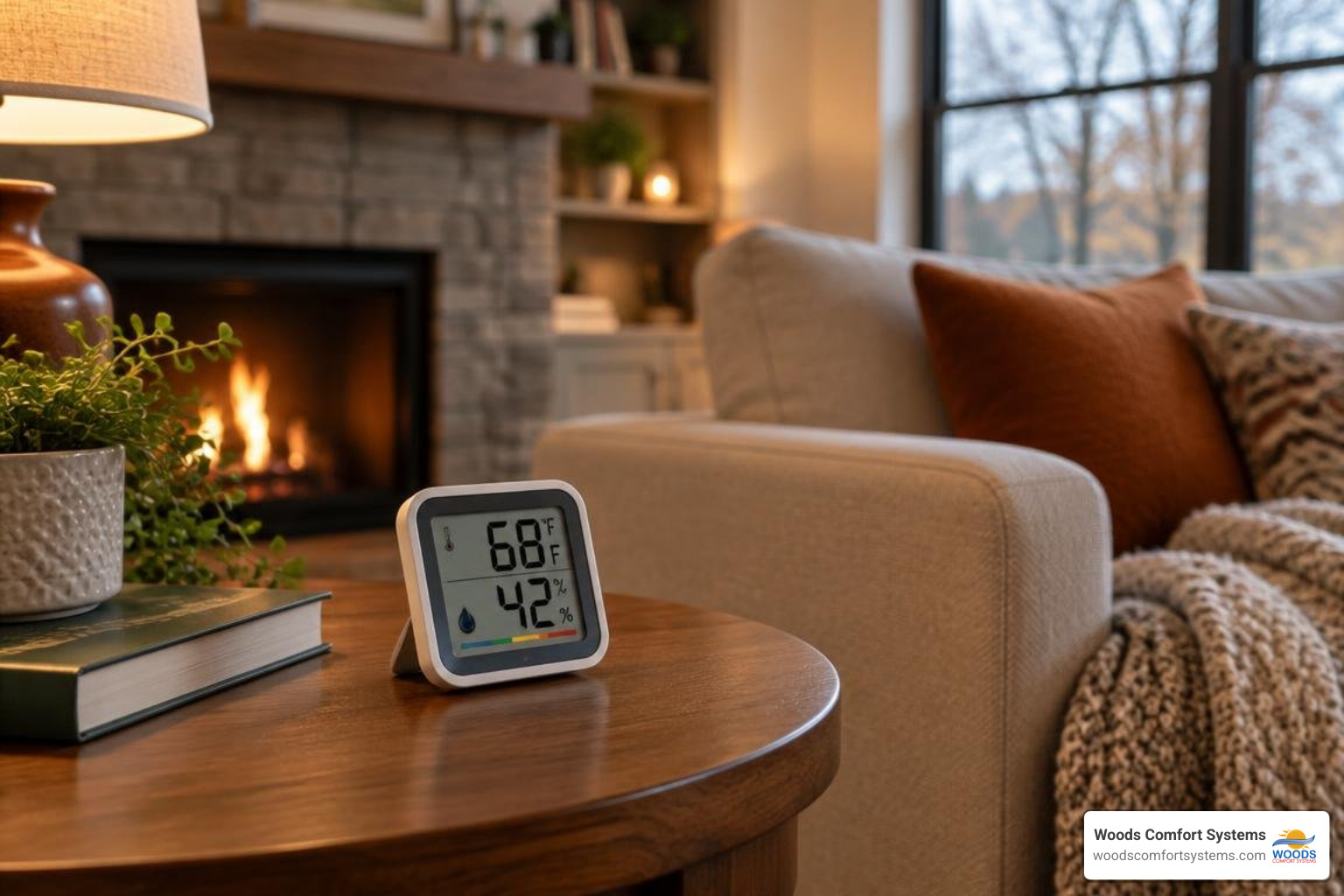
Use a Hygrometer Before Making Major Changes
A basic hygrometer gives a clearer picture than guessing based on dry skin or static alone. Place it in a central living area away from direct sunlight, supply vents, kitchens, bathrooms, and exterior doors. Check the reading at different times of day, especially after the heat has run for several hours.
If readings remain low, make notes about which rooms feel driest and whether the problem appears after a cold front. That information can help narrow down whether drafts, ductwork, thermostat settings, or whole-home humidity control may be involved. Our guide to managing indoor humidity offers additional practical context.
Avoid Chasing a Single Number
Humidity changes with weather, occupancy, showering, cooking, and heating run time. A setting that feels right on a mild day may not be right when a cold front moves through the Hill Country. Monitor the home for window condensation, damp areas, or persistent discomfort, and make modest adjustments rather than overcorrecting.
If moisture appears on windows or around walls, lower the humidity setting and contact a professional if it continues. If the air stays uncomfortably dry despite safe basic checks, a technician can evaluate the HVAC system and the home’s airflow without requiring homeowners to work on internal equipment.
Practical Ways to Improve Dry Indoor Air
For many households, addressing dry air in house winter conditions begins with simple maintenance and draft-related concerns. The homeowner checklist below focuses on safe, visible items that support consistent airflow without requiring work on parts that need specialized training. It can also help prevent avoidable service delays.

Safe Checks Homeowners Can Do
Confirm that the thermostat is set to the intended heating mode and that its schedule matches how the home is being used. Replace a dirty or overdue accessible air filter with the correct size and type for the system. Check that supply and return vents are open and clear of furniture, rugs, or storage items so air can circulate normally.
If the outdoor unit is part of the home’s HVAC setup, keep leaves, branches, and other debris cleared from around it. A homeowner can also check that the system’s breaker or service switch has not been turned off. Stop there: work involving gas lines, electrical connections, sealed equipment components, or internal repairs is work our technician does.
When a Humidifier May Help
Portable humidifiers can provide temporary comfort in a single room when they are cleaned and used according to the manufacturer’s instructions. They are not a replacement for addressing drafts, poor airflow, or a system issue that affects the entire house. Keep portable units clean and follow their safety guidance to avoid creating unwanted moisture problems.
For a whole-home approach, Woods Comfort Systems can recommend and install humidifier options as part of indoor air quality services. Installation, water connections, duct modifications, and system controls are work our technician does. A professional recommendation can account for the home’s layout, heating equipment, and humidity readings.
Support More Even Heating
A thermostat that is programmed for the household’s normal routine can prevent unnecessary long heating cycles. Avoid frequent drastic temperature changes, which can make some rooms feel less stable in comfort. If the system cycles oddly, heats unevenly, or cannot keep up after a cold front, schedule a professional visit rather than trying to adjust internal controls.
Routine heating service can help identify airflow restrictions, worn components, and maintenance needs before they become larger comfort issues. Woods Comfort Systems offers after-hours emergency service when urgent heating problems cannot wait, and free estimates and financing are available for qualifying recommended work.
When to Call an HVAC Professional
A persistent dry-air complaint can be connected to more than humidity alone. Leaky ducts, uneven return airflow, poor insulation, and heating equipment that needs service can all affect how comfortable a home feels. A professional visit is especially useful when the driest rooms are far from the thermostat, when comfort changes after every cold front, or when there are signs of airflow imbalance.
Ductwork and Whole-Home Solutions
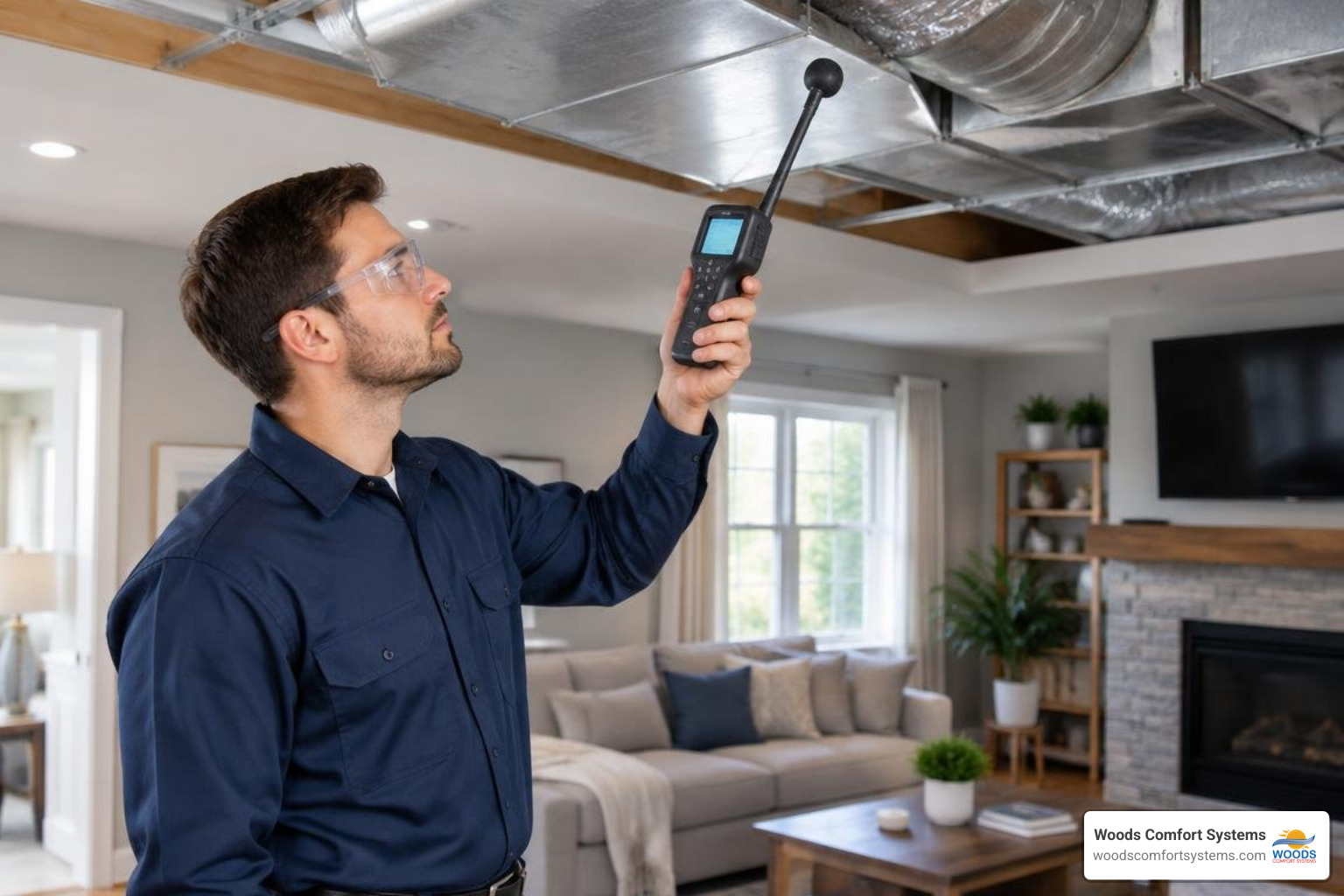
Ducts move heated air to each room, so leaks or poorly connected sections can affect comfort and efficiency. Homeowners should not open duct connections or attempt repairs inside attic or crawlspace areas. Our technician can inspect the accessible system, recommend appropriate ductwork solutions, and explain whether sealing or repair may help.
An indoor-air visit can also look at return-air pathways, filter fit, vent placement, and other conditions that influence how air circulates. This is useful when one room feels dry while another feels stuffy or warmer than expected. The goal is not to make a quick adjustment without evidence, but to identify the source of the comfort complaint and recommend a clear next step.
During an indoor-air evaluation, our technician can compare humidity readings with airflow, duct condition, and how the heating system is operating. That broader assessment helps distinguish a humidity-control need from a draft, insulation, maintenance, or distribution issue. It also prevents a comfort concern from being addressed with equipment that does not fit the home’s actual conditions.
What to Expect During a Service Visit
A technician can start by asking when the dryness is most noticeable, whether it follows a weather change, and which rooms are affected. Hygrometer readings, filter-change history, and any recent changes to thermostat scheduling can give useful clues. The technician can then evaluate the heating system and airflow without asking a homeowner to work on gas, electrical, or sealed components.
A clear diagnosis helps avoid unnecessary changes. In some homes, a maintenance issue or airflow restriction is the main concern. In others, the HVAC system is operating normally but duct leaks, drafts, or a need for humidity control are contributing to discomfort. Recommendations should reflect the home’s specific conditions and explain what work is needed and why.
Local Service With Longstanding Roots
Woods Comfort Systems is family-owned since 1956, with three generations of the Woods family serving Texas homeowners. The company has a 4.9-star rating on Google and serves San Marcos along with Central Texas and Hill Country communities, including Austin, New Braunfels, Kyle, Buda, and Wimberley. Our NATE-certified technicians focus on clear recommendations and practical solutions that fit the home.
For a recurring comfort problem, keep a short record of hygrometer readings, rooms affected, thermostat settings, and when the issue occurs. That preparation gives the technician useful context and helps the visit focus on the conditions that matter most.
Five Common Questions About Dry Winter Air
Why does my home feel dry only when the heater runs?
When a Central Texas cold front keeps the heater running for longer stretches, indoor air can feel drier because warmed air has a lower relative humidity than the cooler air it replaced. Drafts and uneven airflow can make the effect stronger in particular rooms. A hygrometer can help confirm whether low humidity is part of the problem.
Can I fix dry air by turning the thermostat up or down?
Changing the thermostat may alter how the home feels, but it does not solve every cause of dry indoor air. Keep the setting steady and comfortable, then check the filter, vents, and humidity reading. If comfort remains inconsistent, have a technician inspect the system rather than making internal adjustments.
Is a portable humidifier enough for my whole house?
A portable unit may help one bedroom or living area, but it usually is not designed to manage comfort across an entire home. Clean it and use it according to its instructions, then monitor nearby surfaces for unwanted moisture. A professional can explain whether a whole-home option makes sense for the house.
What should I check before calling for HVAC service?
Note the humidity readings, the rooms affected, when the problem is most noticeable, and whether recent weather changes seem to trigger it. Bring any filter-change information and thermostat schedule changes to the appointment. This context helps a technician begin with the right questions without asking a homeowner to work on internal equipment.
When should I call Woods Comfort Systems about dry indoor air?
Call when dry-air comfort problems keep returning, rooms heat unevenly, the system behaves unexpectedly, or humidity readings stay outside a comfortable range. Our team can inspect the heating and airflow conditions and recommend next steps. For health concerns that continue or worsen, contact a doctor.
Get Help With Winter Comfort in San Marcos
A comfortable home during a Central Texas winter starts with steady heating, clear airflow, and humidity that is monitored rather than guessed. Recurring dryness, uneven temperatures, or equipment concerns deserve a professional evaluation. Woods Comfort Systems can help identify whether the solution involves heating service, ductwork, humidity control, or a combination of these factors.
Written by Chris Woods, Owner, Woods Comfort Systems. Chris is the third generation of the Woods family in Texas HVAC and has led Woods Comfort Systems in San Marcos since 2010.
For help with a recurring winter comfort concern, contact Woods Comfort Systems to schedule an evaluation.
Woods Comfort Systems · 1900 Dutton Dr, San Marcos, TX 78666 · (512) 253-8927