

How to Spot Sewer Line Damage Early
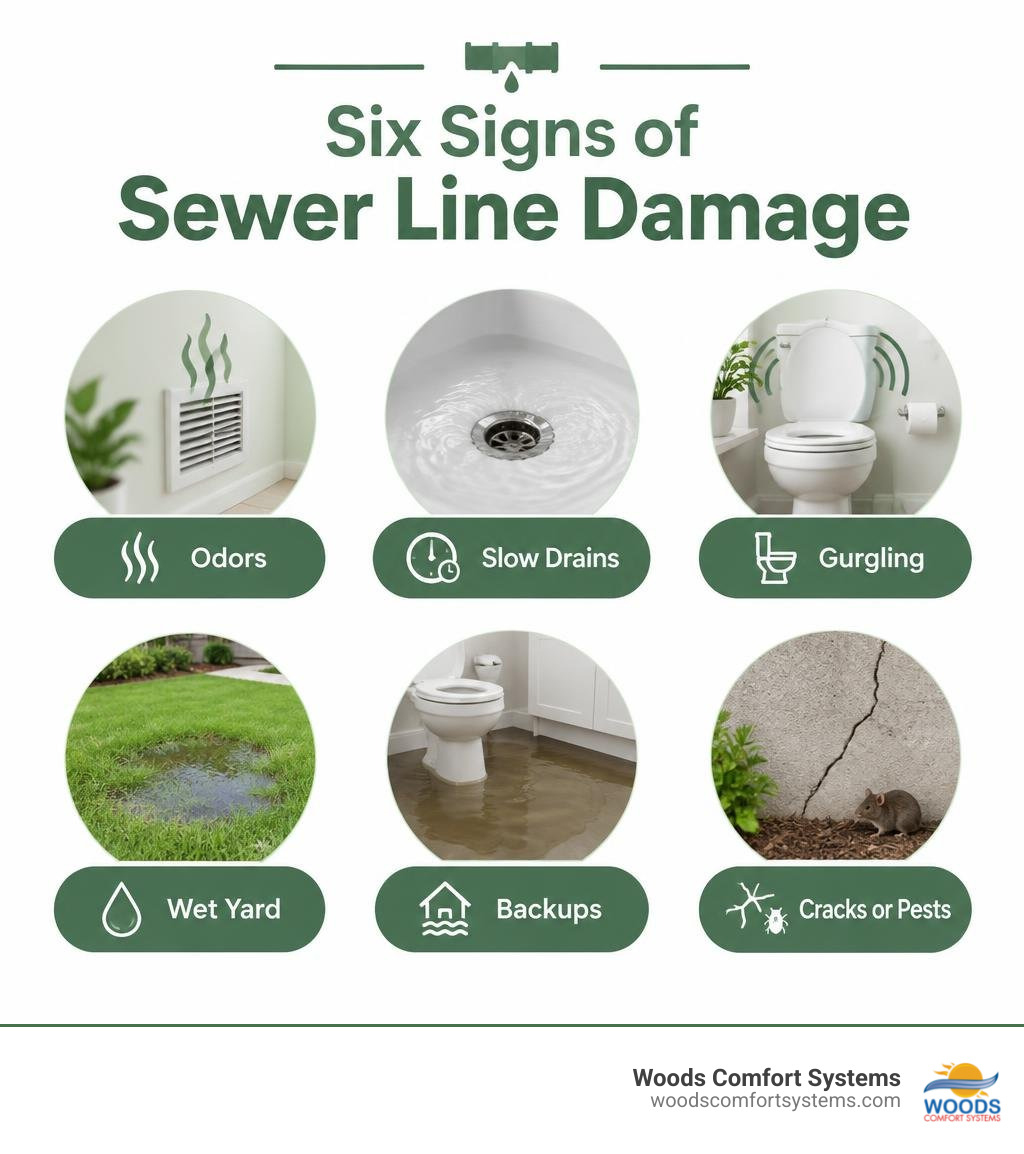
Signs of sewer line damage can include foul odors, several slow drains, gurgling toilets, wet or unusually green patches in the yard, sewage backups, and new cracks near the foundation. One symptom can have another cause, but several symptoms at once deserve prompt attention. If sewage backs up indoors, stop using water, avoid contact with it, and keep people and pets away from the affected area while you call for help.
A persistent sewer smell or possible slab leak warning can be easy to dismiss. This guide explains what to notice, what is safe to do at home, and when a professional inspection makes sense.
6 Signs of Sewer Line Damage Homeowners Should Know
Your main sewer line carries wastewater away from the fixtures in your home. Because much of that line is underground, a developing problem may first show up as changes in drains, toilets, or the yard. The six signs below can help homeowners recognize a potential main-line issue without trying to diagnose or repair the pipe themselves.
When several fixtures drain slowly or react when another fixture is used, the pattern can point to a possible main-line issue. Our plumber can use those symptoms to narrow down the cause during an inspection.
1. Persistent Foul Odors Inside or Outside the Home
A plumbing system should keep sewer gas contained and vented outside. Rotten-egg, sulfur, or sewage odors indoors or around the yard can point to a dry trap, a vent problem, or a damaged underground line.
Homeowners can safely check rarely used sinks, tubs, and floor drains to make sure their traps contain water. If the smell remains, appears outdoors, or comes with slow drains or gurgling, do not take apart pipes or use harsh products. A plumber can inspect the drain and sewer system to identify the source.
Odors alone do not prove that the main line is damaged, but they are important context when they appear with other drainage changes.
2. Multiple Slow-Draining Fixtures at the Same Time
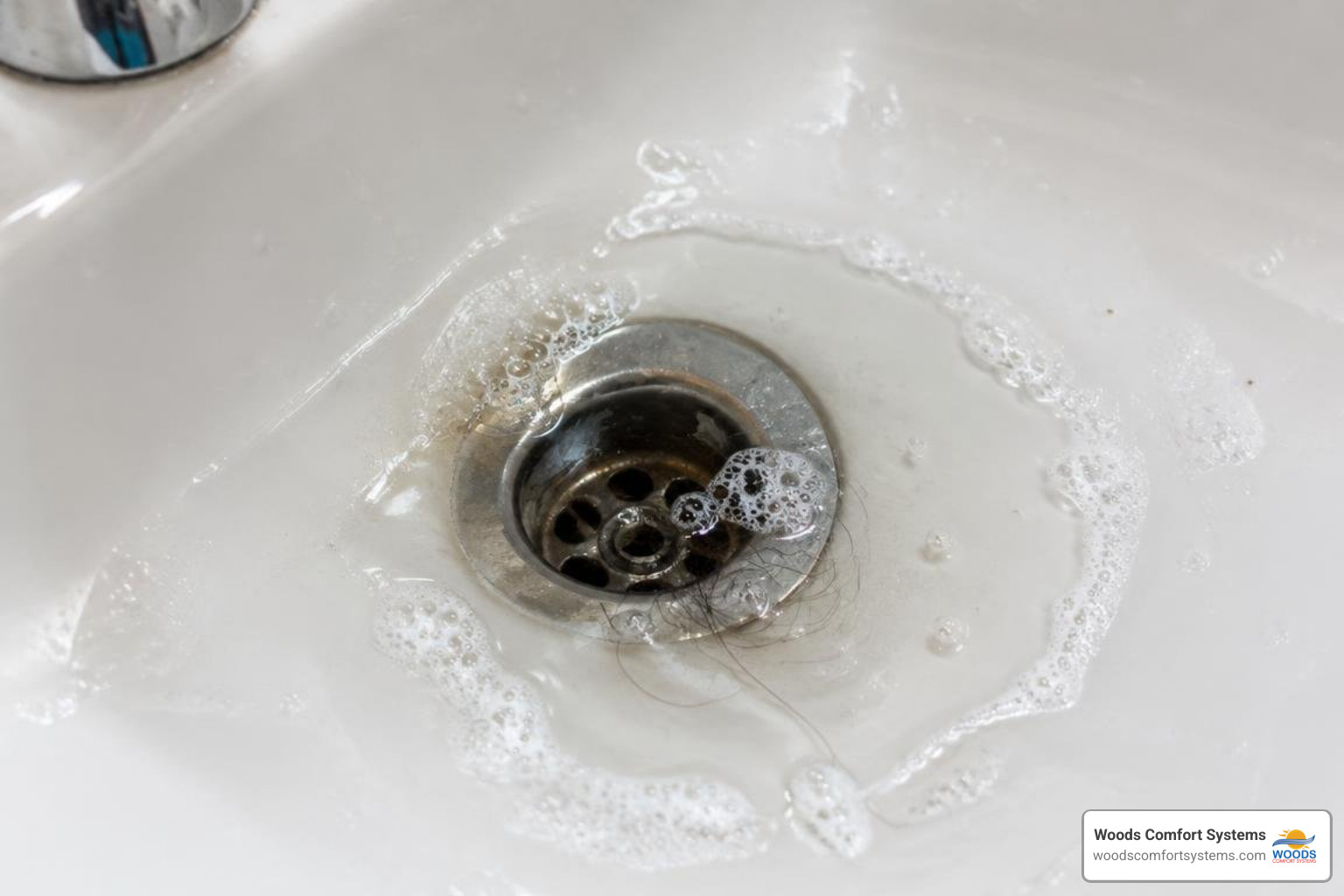
One slow sink often has a nearby clog. When sinks, showers, or toilets in different areas of the home drain slowly at the same time, the restriction may be farther down in the main line. You may also notice that running the washing machine makes a toilet bubble or that draining a tub affects a nearby sink.
Avoid repeated plunging, dismantling pipes, or chemical drain cleaners, which we do not recommend. Instead, arrange drain cleaning if the problem is widespread or recurring. A plumber can determine whether buildup, roots, or a damaged pipe is involved.
A Recent Service Call in Wimberley
In an older Wimberley home, a gurgling kitchen sink and slow drains were caused by mineral scale buildup in aging pipes. Mechanical drain cleaning restored proper drainage.
For more guidance on safe next steps, see DIY drain cleaning.
3. Gurgling Sounds from Toilets and Drains
Gurgling, bubbling toilet water, or a shower drain that makes noise when another fixture runs can mean air is struggling to move through the plumbing system. A blockage, root intrusion, or line damage can interfere with normal drainage and create those sounds.
This may happen when wastewater cannot move freely and air is pulled through nearby traps. The noise can be intermittent, but the pattern can still help our plumber evaluate whether drainage is being restricted.
Do not try to force the issue with chemical products. If gurgling occurs with multiple slow drains or backups, reduce water use and have a plumber inspect the system. Homeowners should observe the symptoms, not attempt to clear a suspected main-line problem themselves.
4. Unusually Lush, Soggy Patches or Sinkholes in the Yard
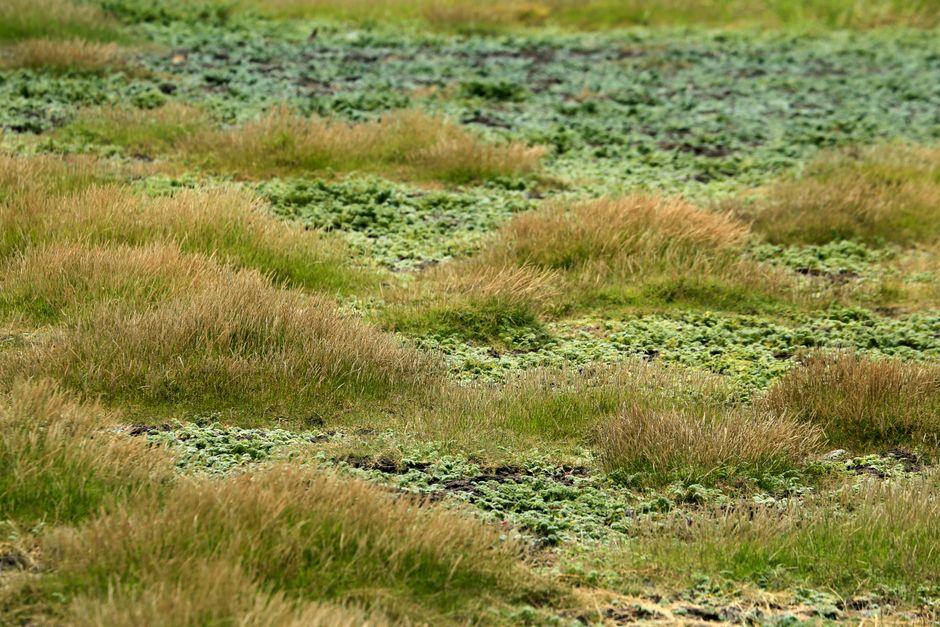
A damp, foul-smelling area of lawn during dry weather, an unusually green strip of grass, or a new depression can signal that wastewater is escaping underground. These changes can also have other causes, so avoid digging into the area or allowing children and pets to play near it.
Pay attention to whether the area grows, stays wet after nearby ground has dried, or appears near the line’s expected path. Do not probe the ground with tools or attempt to uncover the pipe. Disturbed soil can be unstable and may expose people or pets to contaminated water.
A plumber can inspect the line and the affected area to determine whether a sewer issue is present. If the ground is soft or sewage is visible, keep clear of the area and call for service promptly.
5. Frequent Sewage Backups in Lower-Level Fixtures
A sewage backup in a shower, tub, floor drain, or toilet is a plumbing emergency. Main-line problems often show up first at the lowest fixtures because wastewater cannot move past the obstruction or damaged area.
Stop using sinks, showers, toilets, dishwashers, and washing machines. Sewage cleanup requires protective handling, so avoid contact with sewage and keep people and pets away. The EPA advises drying water-damaged areas and items within 24-48 hours to help prevent mold growth. Then call for plumbing repair so our plumber can assess the problem and recommend the needed repair.
6. Foundation Cracks and New Pest Activity
A leaking line near a foundation can add moisture to the soil and contribute to movement that may show up as new cracks, sticking doors, or uneven flooring. Moisture and organic material can also attract insects or rodents. These symptoms do not confirm a sewer problem by themselves, but they are worth noting when they occur with drainage changes.
Take photos of visible changes and note when they first appeared, but do not excavate near the foundation or try to seal a suspected pipe leak yourself. A plumber can inspect the sewer line and help determine whether the plumbing is contributing to the issue. If structural damage is suspected, the plumber may also recommend the appropriate next professional evaluation.
What Causes Main Sewer Pipe Problems?
Sewer lines can develop trouble when roots enter joints, soil shifts, heavy loads affect buried piping, or grease and non-flushable items build up inside the line. Older materials can also become more vulnerable to cracks or corrosion over time.
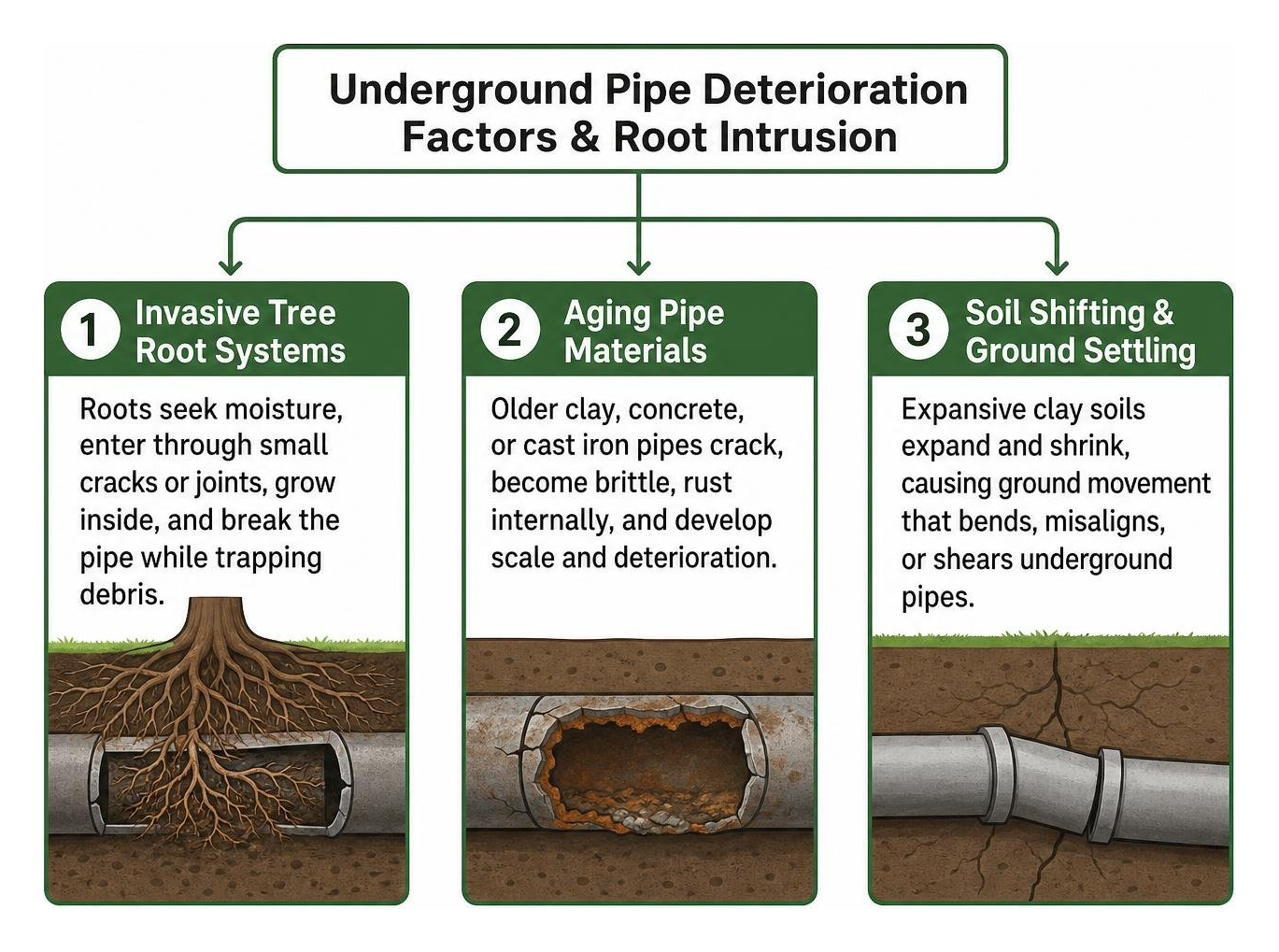
Avoid pouring grease down drains or flushing wipes, even when they are labeled flushable. Keeping roots away from the line path and scheduling professional service when recurring clogs start can help prevent larger problems.
Why Fall Can Bring Sewer Problems to the Surface
After a hot, dry Central Texas summer, clay soil can shrink around buried sewer lines. When fall rains return, the soil absorbs moisture and shifts again. That movement can put added stress on older buried pipes, joints, and connections that may already be vulnerable to cracks or separation.
Roots can also continue growing toward moisture around a sewer line, especially when small leaks or damp soil are present. At the same time, holiday cooking can send more grease and food residue into kitchen drains. Grease can cool and collect inside pipes, making an existing restriction more noticeable. Homeowners can help by keeping grease out of drains and watching for new slow drains, gurgling, or wet areas in the yard. If those signs appear together, a plumber can inspect the line and identify the cause before the problem becomes more disruptive.
Minor Clog or Main-Line Problem?
An isolated slow sink is often a local clog. Several affected fixtures, toilet gurgling, repeated lower-level backups, strong odors, or wet areas in the yard are more consistent with a main-line concern. Drain and sewer service can help identify the source before the problem worsens.
| Symptom | More Likely Local Clog | Possible Main-Line Issue |
|---|---|---|
| Affected fixtures | One fixture | Several fixtures |
| Fixture interaction | No change elsewhere | Other drains gurgle or back up |
| Yard conditions | No unusual change | Wet, smelly, or sunken area |
| Recurrence | Clears and stays clear | Returns or spreads |
If you notice several signs of sewer line damage together, do not guess at the cause. Have a plumber inspect the system.
How Our Plumbers Find and Fix the Problem
When a home has recurring backups, widespread slow drains, or other warning signs, our plumber begins by asking about the symptoms and inspecting the accessible plumbing. A sewer camera inspection can show what is happening inside the line and help locate buildup, roots, breaks, or misaligned sections.
The inspection also helps separate a localized drain concern from a problem farther down the line. That means recommendations are based on the condition found, rather than assumptions made from one symptom alone. Clear findings help homeowners understand which work is necessary and which safe steps to take until the problem is resolved.
If buildup or roots are restricting flow, our plumber may recommend drain cleaning or hydro jetting to clear the line. If a damaged section is the cause, the recommendation may be to repair or replace that section. The right approach depends on what the inspection shows.
What to Expect From a Sewer Camera Inspection
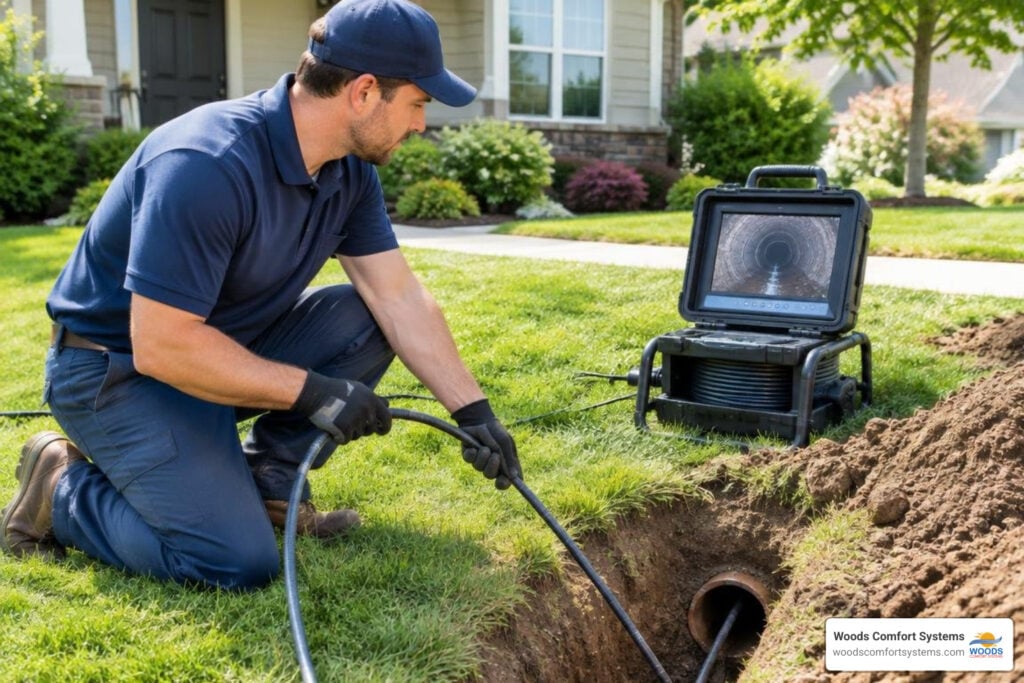
A sewer camera inspection gives our plumber a clearer view of conditions inside a drain or sewer line without guessing from surface symptoms alone. The plumber feeds a small camera through an accessible cleanout or drain and follows the live view as it moves through the line. Homeowners can see what the camera shows, including buildup, root intrusion, cracks, separated connections, or sagging sections where wastewater may collect.
Seeing the inside of the pipe helps locate the problem area more precisely. That can make the recommended repair more targeted and help avoid unnecessary digging when the issue is confined to a specific section. It also helps distinguish a localized blockage from a larger sewer-line concern, so the next steps are based on the condition found rather than an assumption.
After the inspection, our plumber explains the findings and available options in plain language. A camera inspection can be useful after repeated clogs or recurring drainage symptoms, and it can also provide helpful information before buying an older home. The goal is to give homeowners a clear picture of the line’s condition and a practical recommendation for resolving the problem.
What to Tell Us When You Call
When calling about a possible sewer problem, note which fixtures are draining slowly, gurgling, or backing up. Explain whether the issue affects one drain or several areas of the home, and mention any sewage odors or recent backups. It is also helpful to describe wet, soft, or unusually green spots in the yard and where they appear.
If the age of the home is known, share that information as well. These details give our plumber a clearer starting point for the inspection and help determine whether the symptoms may involve a local drain concern or the main sewer line.
For urgent symptoms such as sewage backing up indoors, use our guide on emergency plumbing and contact a licensed plumber. Prompt professional help can limit disruption and help determine the right next step.
Frequently Asked Questions About Damaged Sewer Lines
Can a broken sewer line fix itself over time?
No. A crack, root intrusion, or shifted connection needs professional evaluation because normal water use and soil movement can allow the condition to worsen. Waiting can increase the chance of a backup or additional property damage.
Is sewer line damage an emergency?
It can be, especially when sewage is backing up indoors or surfacing outside. Prompt professional service is important when these conditions occur. Woods Comfort Systems offers after-hours emergency service for urgent plumbing problems.
How can I prevent tree roots from damaging my sewer line?
Avoid planting aggressive-rooted trees close to the sewer line path when possible. Pay attention to recurring clogs or slow drains, since early service can identify root activity before it becomes a major blockage.
Can heavy rain make sewer problems worse?
Heavy rain can saturate the soil and add water around an already restricted or damaged sewer line. Slow drains or gurgling that begin or worsen after a storm are useful details to mention to our plumber, who can determine whether the line needs inspection.
How do I know if the problem is in my line or the city main?
If only your home’s fixtures are affected, the issue may be on the private line serving the property. If problems continue when you are not using water or neighbors report similar issues, the public main may be involved. A plumber and the local utility can help determine where the problem is located.
Protect Your Home from Hidden Sewer Line Damage
Seeing several warning signs at once is a reason to act early. Woods Comfort Systems is family-owned since 1956, with three generations of the Woods family serving homeowners in San Marcos and Central Texas. The company is rated 4.9 stars on Google and serves Hill Country communities including Austin, New Braunfels, Kyle, Buda, and Wimberley.
Written by Chris Woods, Owner, Woods Comfort Systems. Chris is the third generation of the Woods family in Texas HVAC and has led Woods Comfort Systems in San Marcos since 2010.
For help with a suspected sewer line problem, Woods Comfort Systems can help you schedule service with a licensed plumbing team.
Woods Comfort Systems · 1900 Dutton Dr, San Marcos, TX 78666 · (512) 253-8927