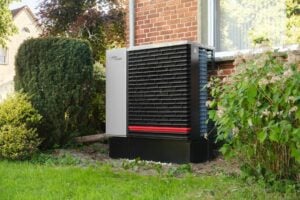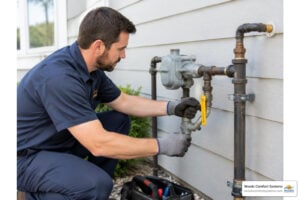


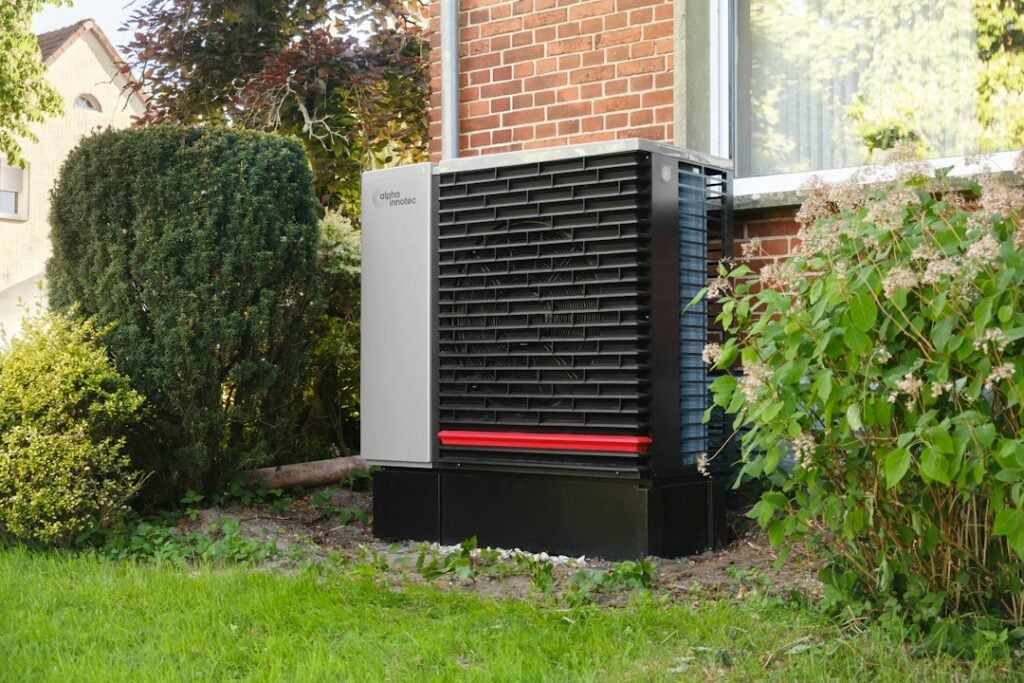
How Heat Pump Emergency Heat Works
Heat pump emergency heat is a manual thermostat setting that turns off the outdoor heat pump and uses the backup heat source inside the home. As San Marcos gets ready for the first cold snaps of the season, homeowners should know when this setting can help and when it is time to call for service.
In normal heating mode, a heat pump moves available heat from outdoor air into the home rather than creating it directly. When cooler weather arrives, the system works with the indoor equipment to deliver warmth through the ductwork. This process lets the system provide comfortable heat without relying on backup heat for normal day-to-day operation.
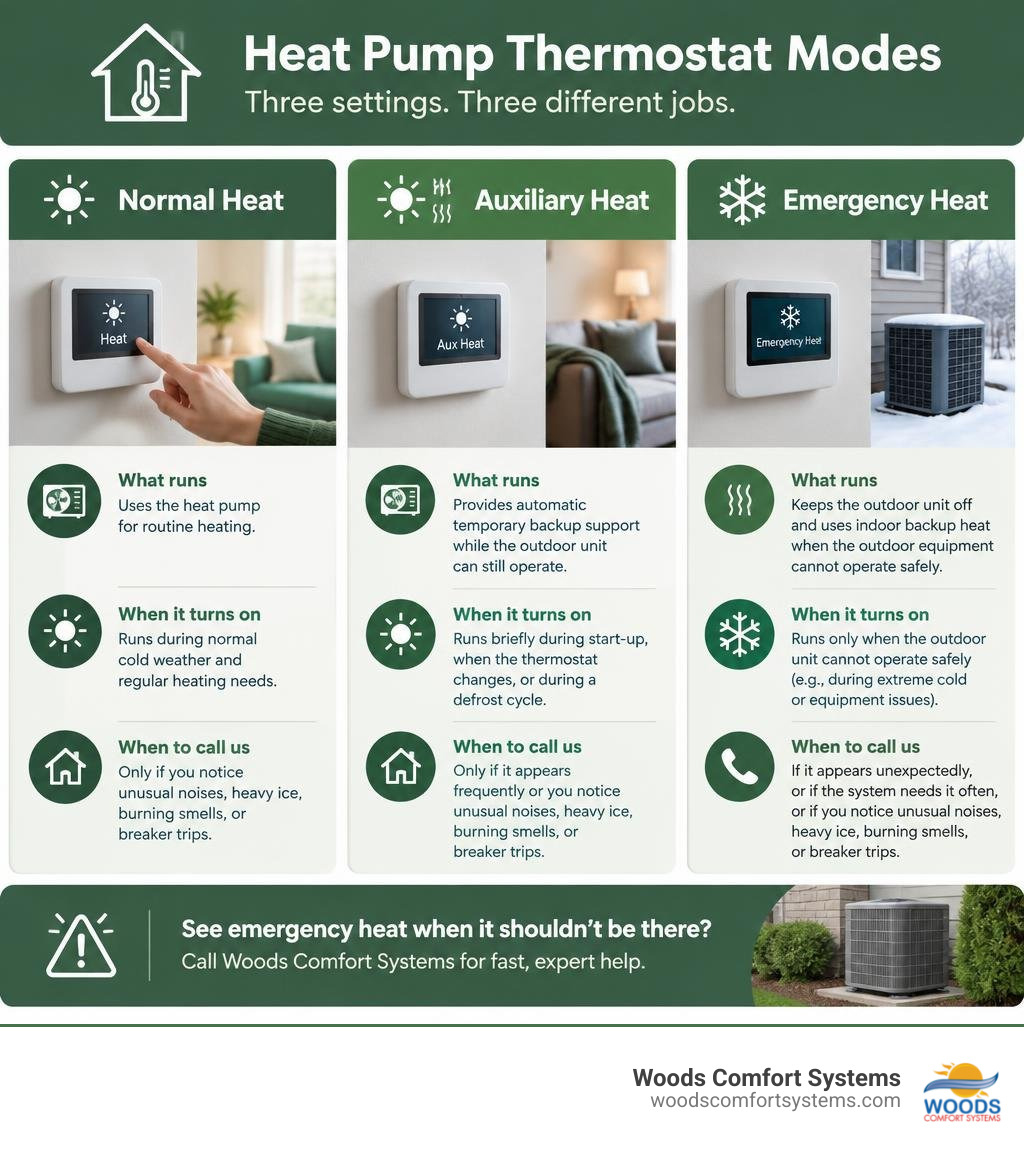
When you manually activate emergency heat, the thermostat changes the system’s normal sequence:
- The thermostat keeps the outdoor compressor from running.
- The system uses its backup heating source, often electric heat strips in the indoor air handler.
- The indoor blower distributes the warmth through the home.
In short, emergency mode keeps the outdoor equipment idle while the backup components warm the home. It is designed as a temporary safeguard when the outdoor unit cannot run safely, not as a routine setting for a cold morning.
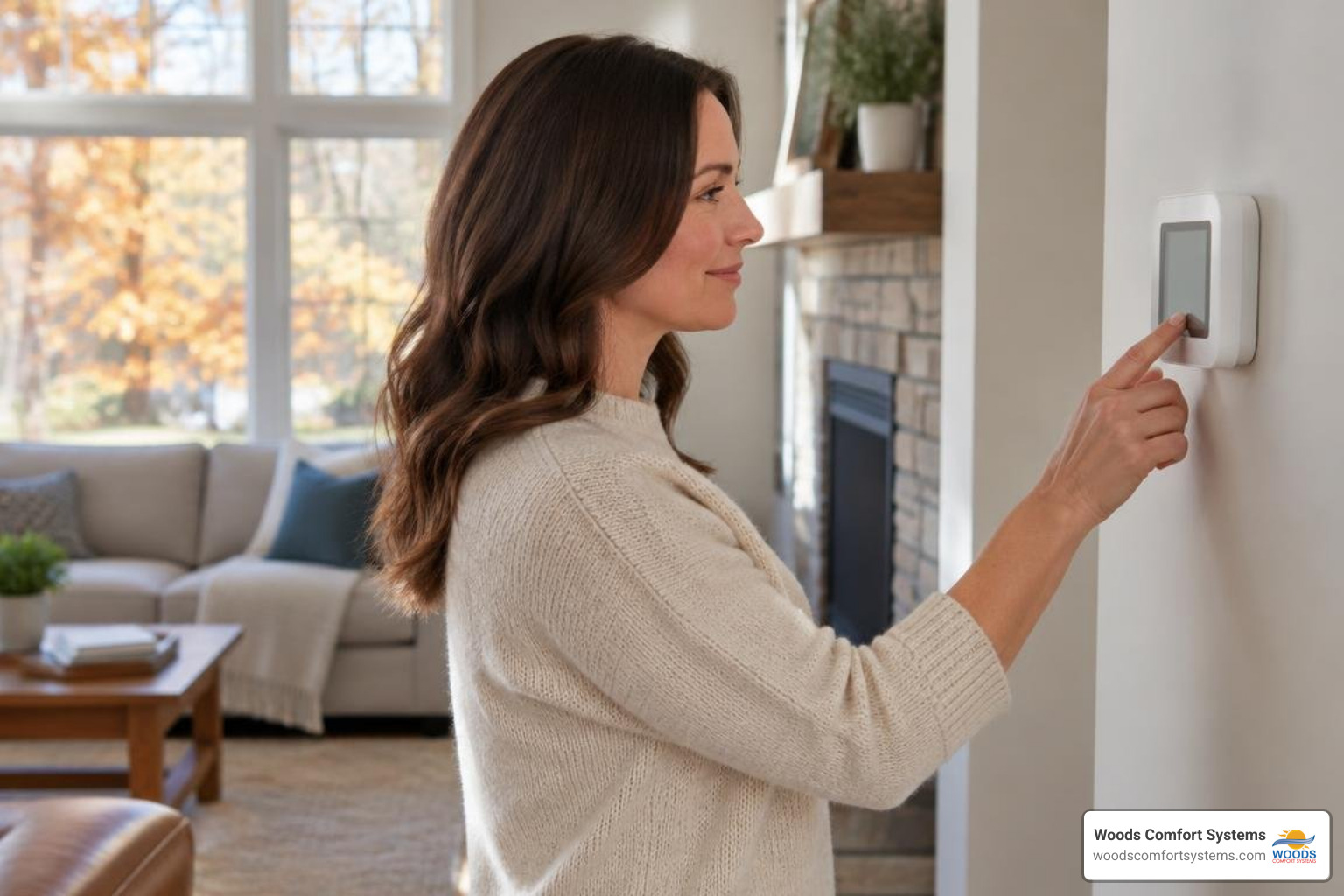
Auxiliary Heat and Emergency Heat Are Different
Many homeowners in San Marcos and nearby Central Texas communities see “Aux Heat” or “Auxiliary Heat” on the thermostat during brisk mornings. Auxiliary heat and emergency heat may use the same backup hardware, but they operate differently. Understanding the difference can help homeowners recognize when the system is providing normal automatic support and when it needs professional attention.
- Auxiliary Heat: This is an automatic support stage that can run briefly while the heat pump catches up, responds to a thermostat change, or completes a defrost cycle. The outdoor unit can still operate.
- Emergency Heat: This manual setting keeps the outdoor compressor off and relies on the backup heat source.
If the thermostat shows auxiliary heat by itself, that does not necessarily mean something is wrong. If it shows emergency heat unexpectedly or the system needs it often, schedule heat pump service so our technician can diagnose the cause.
Why Emergency Mode Uses More Electricity
The main drawback of emergency mode is that it uses more electricity than normal heat pump operation. A heat pump normally moves heat into the home, while backup heat creates warmth directly. That difference makes emergency mode useful when the primary equipment is unavailable, but less efficient for everyday heating.
Use emergency mode only while arranging service. If a heat pump repeatedly depends on backup heat, our technician can find the cause and recommend the appropriate repair. For practical seasonal habits, review these winter thermostat tips.
When to Use Emergency Heat Safely
Heat pump emergency heat is a temporary backup setting, not a routine winter setting. Use it when the outdoor unit appears unable to operate safely, then arrange professional service as soon as possible. If the system is operating normally, leave the thermostat in normal heat rather than relying on backup heat unnecessarily.
What Emergency Heat Should Feel Like
Emergency heat can keep the home warm, but the air from the vents may feel less hot than the air produced by a gas furnace. That difference does not automatically mean the system is failing. In this setting, the outdoor unit should stay off while the backup heat source provides warmth indoors. Listen for unusual sounds and watch for warning messages or repeated breaker trips, but do not open equipment panels or attempt internal repairs. Once our technician has completed the needed repair and confirmed normal operation, switch the thermostat back to normal heat. Returning to normal operation helps the heat pump provide efficient everyday comfort.
Situations That Call for Emergency Mode
Switch the thermostat to emergency mode if the outdoor unit will not start, makes concerning grinding or screeching sounds, has visible storm damage, or is covered in heavy ice that does not clear. If a breaker trips, turn the system off and call us rather than resetting it. Our technician can determine whether the issue involves airflow, refrigerant, electrical parts, heat strips, defrost controls, or the reversing valve.
A little frost on the outdoor equipment can be normal in cold, damp conditions. Heavy ice, damaged wiring, a burning smell, or repeated breaker trips are not homeowner repairs. Avoid opening panels, touching electrical components, or trying to force the equipment to run.
| Heating Mode | What It Does | When It Runs |
|---|---|---|
| Normal Heat | Uses the heat pump’s standard heating cycle | Daily heating when the system is operating normally |
| Auxiliary Heat | Adds temporary backup support | Automatically when the system needs help meeting demand |
| Emergency Heat | Keeps the outdoor unit off and uses backup heat | When the outdoor equipment cannot operate safely |
Safe Steps for Homeowners
ENERGY STAR recommends checking the heating system in the fall and inspecting, cleaning, or changing air filters once a month in a central air conditioner, furnace, or heat pump. A clean filter and clear vents help the system move air as intended.
If the home still is not warming properly, call for heating repair. Woods Comfort Systems provides after-hours emergency service when an urgent heating issue cannot wait.
Simple Checks Before You Call
Before selecting emergency heat, complete a few safe homeowner checks and take note of what the system is doing. Check for any thermostat messages and whether the outdoor unit runs. Those details can help our technician understand the problem when service is needed.
Getting Ready for the First Cold Snap
Before the first cold front arrives, make sure you know where the emergency heat setting is on your thermostat. Schedule a fall heat pump check with our technician so the system is ready for colder weather. Leave the system in normal heat unless a service issue makes emergency heat necessary. Early preparation helps homeowners respond calmly if the system needs attention.
Safe Homeowner Checks
If the home feels chilly and the heat pump appears to be struggling, check these items:
- Check the thermostat: Confirm it is set to heat and that the fan setting is not forcing constant airflow.
- Inspect the filter: Replace it if it is visibly dirty.
- Check the breaker and system switch: If a breaker has tripped, turn the system off and call us rather than resetting it.
- Open vents and clear debris: Make sure supply vents and return grilles are unobstructed, and gently clear leaves or loose debris from around the outdoor unit.
- Look, but do not repair: Note whether the outdoor unit runs and whether you see heavy ice, but do not remove panels or work on internal components.
If these checks do not restore normal heating, read this heat pump troubleshooting guide and contact Woods Comfort Systems. Our technician can safely evaluate the equipment.
Seasonal Maintenance Helps Prevent Problems
Preventive care helps reduce the chance of an unexpected heating issue when the weather turns cold. A fall tune-up gives our technician an opportunity to find developing issues before the season changes. It covers airflow, refrigerant, electrical parts, and defrost operation, which are parts homeowners should not adjust. Our technician handles that work and can address concerns before they affect cold-weather comfort, while maintenance plans make it easier to stay on schedule and these pipe winterization tips offer broader cold-weather preparation guidance around the home.
Heat Pump Emergency Heat and Your Energy Bill
Heat pump emergency heat can be the right temporary setting when the outdoor heat pump cannot operate safely, but it is not designed for regular use. In normal heating mode, the system moves heat from outdoor air into the home. Backup heat creates warmth directly, which requires more electricity than normal heat pump operation. A few hours of emergency heat while waiting for service is generally a practical way to maintain comfort, especially when the outdoor equipment needs to stay off.
Leaving emergency heat on for days or weeks can make energy use noticeably higher because the backup system is doing all of the heating work. Once our technician completes the repair and confirms that the heat pump is operating normally, switch the thermostat back to normal heat. Frequent auxiliary heat can also be a sign that the system needs attention, particularly if comfort is inconsistent or the setting appears more often than expected. A service visit lets our technician identify the cause and explain the next sensible step.
Signs Your System Is Leaning on Backup Heat Too Often
Auxiliary heat showing on the thermostat for long stretches during mild weather can indicate that the system is leaning too heavily on backup heat. Another warning sign is an outdoor unit that is running while the home does not warm as expected. Electric use that is higher than in past winters with similar weather, or needing emergency heat more than once in a season, also deserves attention. These symptoms can reflect an issue that requires professional diagnosis, not a DIY repair. Our technician can inspect the system and identify why it is not delivering reliable heat. Review ENERGY STAR heat pump guidance for general information about efficient heat pump operation. If these signs continue, schedule a visit so our technician can find the cause.
Repair or Replacement Guidance
When a heat pump has repeated problems or cannot maintain comfort without backup heat, our technician can explain whether repair or replacement makes more sense for the system and your home. That conversation should consider the condition of the equipment, the pattern of recent service needs, and whether a repair is likely to restore dependable comfort.
There is no need to make that decision based on a thermostat message alone. Our team can inspect the system, explain the findings in plain language, and help you compare sensible next steps for your household. Learn the common heat pump replacement signs before deciding on the next step.
Frequently Asked Questions About Emergency Heat
Why does my thermostat say Aux Heat?
Auxiliary heat can turn on automatically when the system needs extra support. It is different from emergency heat because the outdoor heat pump may still be operating. If it stays on often or the home is not comfortable, schedule service so our technician can check the system. A thermostat message alone does not always identify the cause.
Is it safe to leave emergency heat on overnight?
Emergency heat can provide temporary warmth when the outdoor equipment cannot run safely. It is best to arrange service promptly rather than treating it as a normal heating setting. If the system develops unusual noises, smells, or electrical issues, turn it off and call for help. Keep the area around indoor equipment clear while waiting for service.
Why is my outdoor unit covered in frost or ice?
A light coating of frost can occur during cold, damp weather and the system may clear it through a normal defrost cycle. Heavy ice that remains in place can signal a problem that needs professional attention. Avoid chipping at the unit or pouring hot water on it. Let a technician determine why the system is not clearing the ice properly.
What should I check before calling for heat pump service?
Confirm that the thermostat is set to heat, the filter is clean, vents are open, and the outdoor unit has clear space around it. Note any messages on the thermostat, whether the outdoor unit runs, and whether you see ice or a tripped breaker. That information helps the technician arrive prepared. It also helps distinguish a simple setting or airflow concern from a system issue.
Can a dirty filter cause heating problems?
Yes, a clogged filter can restrict airflow and make the system work harder to circulate warm air. Replace the filter if it is dirty and make sure return grilles are not blocked. If comfort does not improve, a technician should inspect the system rather than attempting internal repairs. Regular filter checks are one of the simplest ways to support reliable heating.
Conclusion
Getting ready for the first San Marcos cold snaps starts with simple homeowner checks and a plan for professional help if the heat pump is not operating normally. Heat pump emergency heat can keep the home warm for a short time, but frequent use is a sign that the system needs attention.
If the thermostat shows an unusual message, the outdoor unit is not running, or a breaker has tripped, write down what you notice before calling. Let the team know whether the system is producing any warm air, whether there is visible ice, and whether the issue began after a weather change. This information gives our technician a clearer starting point and helps keep the service visit focused on the actual problem.
For routine care, a fall maintenance visit can catch concerns before a cold spell places more demand on the system. Timely professional service helps protect reliable performance and keeps emergency mode from becoming a longer-term solution. It also gives families more confidence before colder weather settles across Central Texas, helping them stay comfortable each fall and winter.
Written by Chris Woods, Owner, Woods Comfort Systems. Chris is the third generation of the Woods family in Texas HVAC and has led Woods Comfort Systems in San Marcos since 2010.
Woods Comfort Systems has been family-owned since 1956 and is now led by three generations of the Woods family. With 4.9 stars on Google, our NATE-certified technicians serve San Marcos and Central Texas, including Hill Country communities such as Austin, New Braunfels, Kyle, Buda, and Wimberley. For help with emergency heat concerns, maintenance, or a heating repair, schedule service.
Woods Comfort Systems · 1900 Dutton Dr, San Marcos, TX 78666 · (512) 253-8927