

Is It Normal for a Heat Pump to Run All Night?
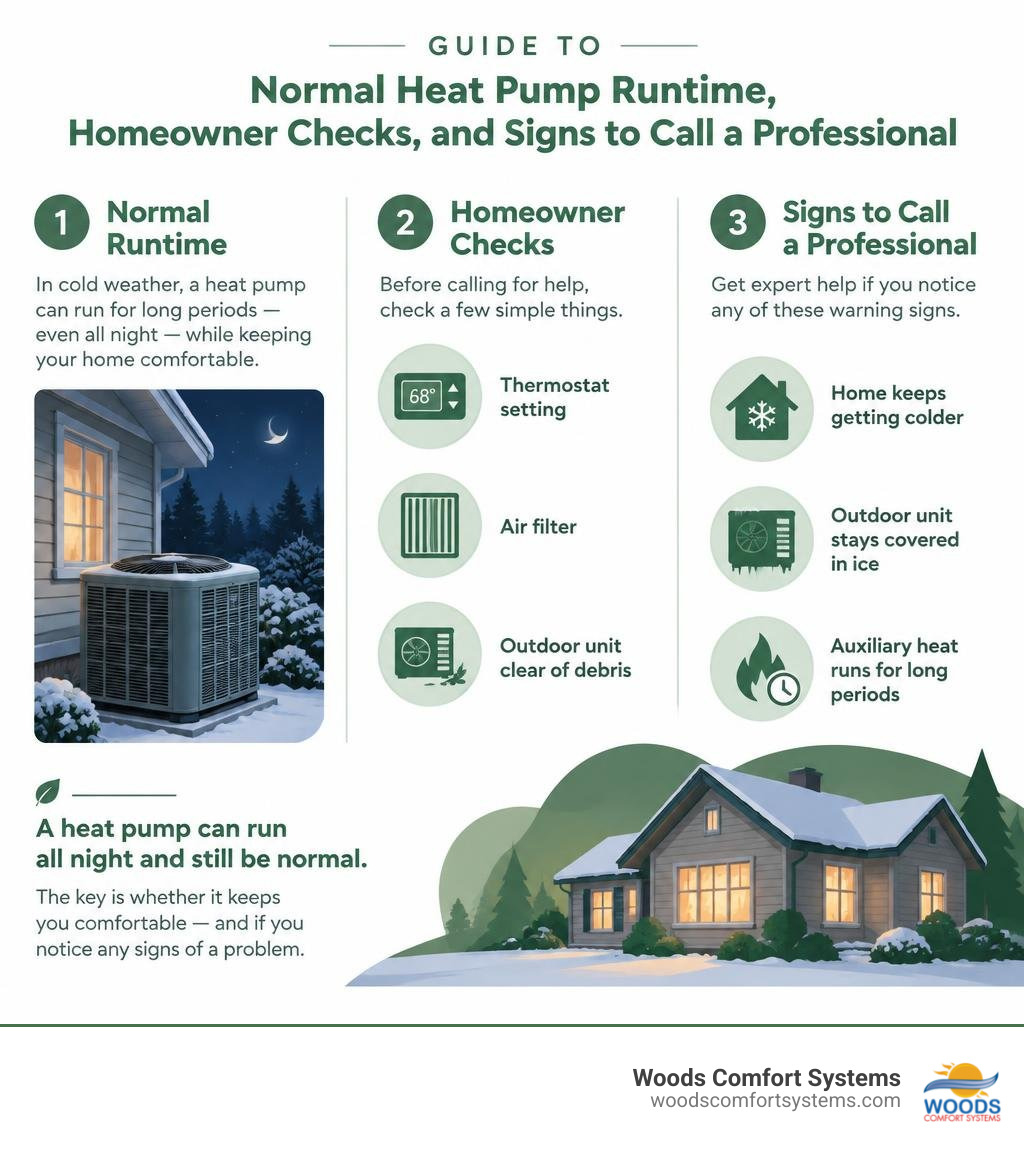
A heat pump running constantly during the first cool nights and cold fronts of fall in Central Texas can be normal, especially when it keeps your home comfortable. Heat pumps are designed to move heat steadily instead of producing the intense bursts of heat many homeowners expect from a gas furnace. When the system is holding the thermostat setting, airflow feels consistent, and the outdoor unit is not heavily iced, a long run time is often simply the system meeting demand.
What matters most is comfort. If the house stays at the setting you chose, the equipment may be operating as intended. If rooms keep getting colder, the system sounds unusual, or the outdoor unit develops heavy ice, it is time to have our technicians take a closer look.
For a broader look at efficient year-round comfort, see our guide to efficient heat pumps.
When Is a Heat Pump Running Constantly Normal?
When fall weather reaches San Marcos and other Central Texas communities, a heat pump may stay on for long stretches as temperatures change overnight. It collects heat from outside air and brings it indoors, so it often runs longer when the air outside gets colder. A modern system may also run more steadily than an older system rather than switching on and off in short bursts.
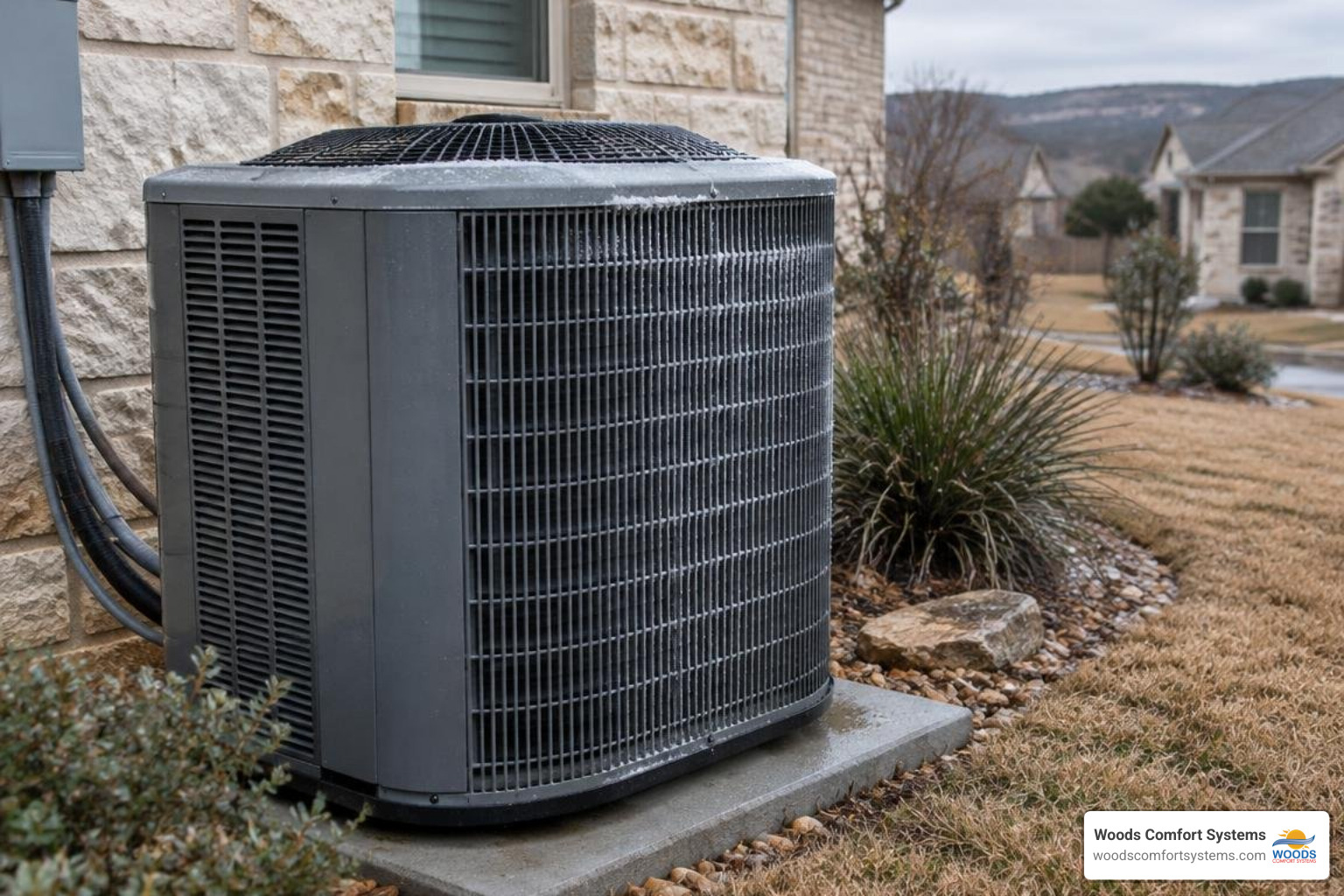
A long run time is usually less concerning when the home stays comfortable and the system is not showing warning signs. Light frost on the outdoor unit can be normal in cold, damp weather. Steam may appear during a defrost cycle, which helps the unit clear ordinary frost and return to heating.
Pay attention to changes from your system’s usual behavior. A unit that normally keeps the home comfortable but suddenly cannot do so after a mild weather change may need service. Small details such as a new noise, weaker airflow, or ice that does not clear can help our technician narrow down the cause without homeowners trying risky repairs.
Long runtime deserves attention when indoor comfort drops, airflow becomes weak, or heavy ice covers the outdoor unit. Those signs can point to an airflow problem, a refrigerant issue, or a mechanical fault that needs professional service. If the indoor blower seems to run even when heating has stopped, our article about a blower keeps running can help explain the difference between fan settings and a repair concern.
Why Cold Fronts Change Run Time
A home loses heat more quickly when a cold front moves in. At the same time, a heat pump has less heat available to collect from outdoor air. The system may run longer to make up the difference, particularly if the home has drafty areas, limited insulation, leaky ducts, or rooms that are harder to heat.
That does not automatically mean the equipment is failing. It means the system is working against a larger comfort load. Our technician can evaluate the equipment, ductwork, and home conditions when run times seem unusual or comfort does not return.
Steady Operation Versus Short Cycling
Frequent starting and stopping is not always a sign of better performance. Some heat pumps are designed to make small adjustments and keep a more even temperature throughout the house. Steady operation can help avoid noticeable swings between rooms.
The concern is not simply that the unit is running. The concern is a system that runs without providing enough heat or cooling. In that situation, a careful professional inspection is more useful than repeatedly changing thermostat settings.
Common Mechanical and Environmental Causes for Nonstop Operation
A heat pump running constantly without reaching the thermostat setting can have several causes. Some are connected to the home, such as a dirty filter, blocked vents, air leaks, or a sudden weather change. Others involve parts inside the system that homeowners should not try to diagnose or repair.
Home Factors: Ductwork, Insulation, and System Size
Leaky attic ducts can lose heated or cooled air before it reaches the rooms that need it, especially when those ducts pass through unconditioned space. Poorly insulated ducts can make that loss worse, while thin attic insulation allows indoor comfort to escape more quickly. In either case, the heat pump may need to operate longer to maintain the thermostat setting even when the equipment itself is functioning. Rooms farthest from the equipment often reveal these comfort gaps first, particularly when attic conditions magnify heat gain or heat loss.
An undersized system may struggle during sharp weather changes, and an aging system can gradually lose the ability to keep up with the home’s comfort needs. Our technician can evaluate the ductwork, insulation-related comfort concerns, and whether the system is appropriately matched to the home through our heat pump services. If airflow problems are found, ductwork repair can help restore more consistent comfort without guesswork.
Airflow and Thermostat Problems
A clogged filter makes it harder for air to move through the system. Closed or blocked supply vents can create similar comfort problems, and a thermostat located near a draft may call for more heating or cooling than the rest of the home needs.
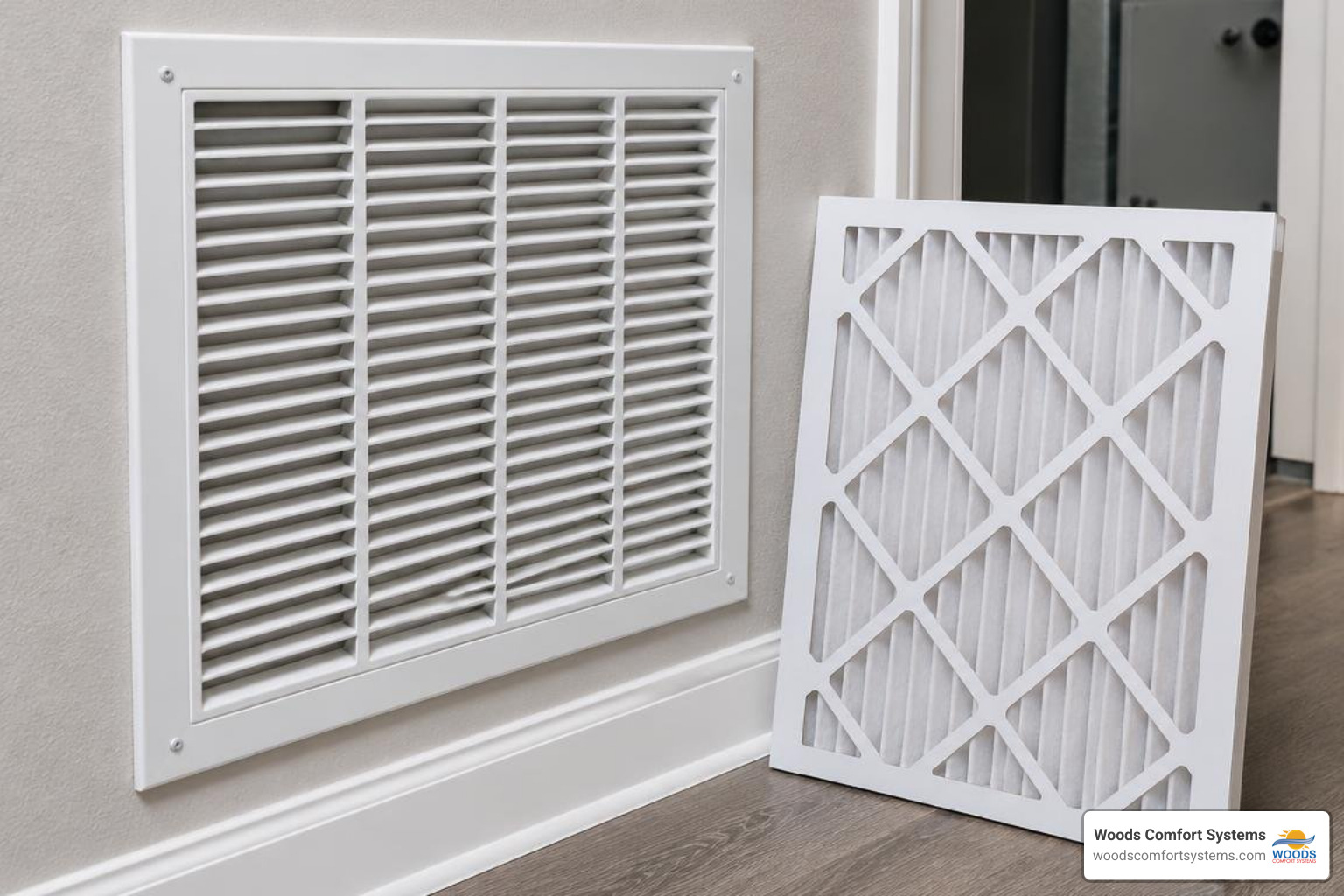
ENERGY STAR recommends inspecting, cleaning, or changing air filters once a month in a central air conditioner, furnace, or heat pump, and checking the heating system in the fall. Homeowners can safely replace a filter, make sure vents are open, and clear leaves and debris from around the outdoor unit. If comfort does not improve, our technician can inspect the parts that are not safe to service yourself.
How Thermostat Settings Affect Run Time
Large temperature setbacks overnight or while the home is empty can make a heat pump run for a long time as it works to return the home to the preferred setting. During that recovery period, the system may use auxiliary heat to help meet demand. That does not always mean something is wrong, but frequent long recovery periods can make comfort feel less even.
Small, steady thermostat adjustments are often easier on the system and can help maintain a more consistent indoor temperature. A programmable or smart thermostat can be helpful when it is set up for a heat pump rather than treated like a conventional furnace thermostat. Settings that work well for one type of heating equipment may not suit another. If the system seems to run excessively after schedule changes or the home does not recover comfortably, ask our technician to confirm that the thermostat is configured correctly for the equipment.
Low Refrigerant and Other System Faults
Refrigerant is essential to both heating and cooling, but it is not a homeowner repair. Low refrigerant, a problem with the reversing valve, or a dirty indoor or outdoor coil can keep a system from moving heat effectively. Our technician diagnoses these issues with the appropriate tools, identifies the cause, and completes any needed repair.
If repeated repairs are becoming a concern, review these new heat pump signs before deciding whether repair or replacement makes more sense.
A Recent Service Call in Buda
A family in Buda reported their heat pump running nonstop, where low refrigerant was reducing system capacity. After correcting the issue and verifying performance, run times returned to normal. The system cooled and heated more efficiently. When low refrigerant is suspected, homeowners should not add refrigerant or open the equipment; our technician finds and corrects the cause.
Defrost and Auxiliary Heat
During cold, humid weather, frost can collect on the outdoor coil. The system uses a defrost cycle to clear normal frost, and auxiliary heat may help maintain comfort while that happens. A light layer of frost may be normal, but heavy ice or ice that remains on the unit calls for professional attention.
Defrost controls, electrical components, coils, and auxiliary heat are not DIY repairs. Our technician can determine whether the equipment is defrosting correctly and whether a control or mechanical problem is keeping the unit from heating efficiently. If the system stops heating altogether, our guide to heat not working can help you recognize common warning signs before you call.
Safe Checks Before You Call
A few safe checks can help you describe the problem clearly without opening the equipment or touching electrical parts. Start at the thermostat. Confirm it is set to the correct mode for the season and that the temperature setting has not been changed by accident. Check that emergency heat was not switched on by mistake.
A Simple Homeowner Checklist
Make sure the air filter is clean and installed correctly. Check that supply and return vents are open and not blocked by furniture, rugs, or storage. At the outdoor unit, clear away leaves, grass, and loose debris from the surrounding area, but do not remove panels or reach into the unit.
You can also look at the outdoor coil from a safe distance. Light frost may be normal, but heavy ice is a reason to call for service. Do not chip ice, pour water on the unit, or touch wiring, coils, defrost controls, or refrigerant lines.
If these checks do not restore comfort, our NATE-certified technicians can diagnose the system safely. We can identify whether the issue involves airflow, refrigerant, electrical components, defrost controls, or another part that requires professional repair. Schedule heating repair when the home cannot hold a comfortable temperature, the unit is heavily iced, or the system is making unfamiliar sounds.
Routine fall attention can also reduce surprise breakdowns. Our maintenance plans help keep heating and cooling equipment ready for changing Central Texas weather.
When Running Nonstop in Cooling Mode Matters
Warm fall afternoons can still put a heat pump into cooling mode for long stretches. If the home remains warm, airflow becomes weak, or ice appears on the refrigerant line, the system may not be moving heat effectively. These signs can be related to airflow restrictions, refrigerant concerns, or another issue that needs professional diagnosis. A service visit can identify the cause before continued operation creates additional strain on the system.
Turn the system off if you see ice, then call for service rather than trying to thaw or inspect the equipment yourself. Our technician can determine why the system is running nonstop and make the appropriate repair safely.
Frequently Asked Questions
Why does a heat pump feel different from a furnace?
A heat pump usually delivers a gentler, steadier kind of warmth than a gas furnace. That can feel different even when the home is comfortable. Pay attention to whether the rooms are reaching the thermostat setting, not just whether the air feels intensely hot.
Can a power outage affect how long my heat pump runs?
After power is restored, the system may need extra time to bring the home back to the thermostat setting. If it continues to run without improving comfort after the home has had time to recover, it is worth scheduling a professional inspection. Avoid resetting breakers repeatedly if the equipment does not start normally.
Should I turn my heat pump off if it keeps running?
If the home is still comfortable and the unit has no warning signs, turning it off may not be necessary. If you see heavy ice, smell something burning, hear loud grinding, or lose heat or cooling, turn the system off if it is safe to do so and contact a professional.
Why are some rooms comfortable while others are not?
Uneven comfort can come from airflow problems, blocked vents, duct issues, insulation gaps, or thermostat location. Keeping vents open and filters clean is a good first step. Our technician can investigate the rest without guesswork.
What information should I share when I call for service?
Tell the technician whether the system is heating or cooling, whether the home is reaching the thermostat setting, and any unusual sounds, odors, or ice you noticed. It also helps to mention recent filter changes, power interruptions, or thermostat adjustments. Clear details help the visit start in the right place.
When to Call Woods Comfort Systems
Call for help when your heat pump runs for long periods without keeping your home comfortable, develops heavy ice, or has unusual sounds or smells. Woods Comfort Systems is family-owned since 1956, with three generations of the Woods family serving San Marcos and Central Texas. Homeowners across Hill Country communities including Austin, New Braunfels, Kyle, Buda, and Wimberley count on our team for straightforward guidance and service, backed by 4.9 stars on Google.
Written by Chris Woods, Owner, Woods Comfort Systems. Chris is the third generation of the Woods family in Texas HVAC and has led Woods Comfort Systems in San Marcos since 2010.
For help with a system that is not keeping up, contact our team to schedule service with Woods Comfort Systems. Woods Comfort Systems · 1900 Dutton Dr, San Marcos, TX 78666 · (512) 253-8927