

Why Attic Insulation Is the Foundation of Home Comfort and Energy Efficiency
Attic insulation is one of the single most impactful upgrades you can make to your home. If your energy bills feel higher than they should, or certain rooms never quite reach the right temperature, your attic is very likely the reason why.
Here is a quick overview of what you need to know:
| Topic | Key Takeaway |
|---|---|
| Recommended R-value (Central Texas / Zone 4) | R-49 minimum |
| Most common problem | 90% of U.S. homes are under-insulated |
| Best first step | Air seal before adding insulation |
| Potential energy savings | Up to 15% on heating and cooling costs |
| Federal tax credit available | Up to 30% of cost, max $1,200 |
| DIY vs. professional | Both are viable depending on scope and safety |
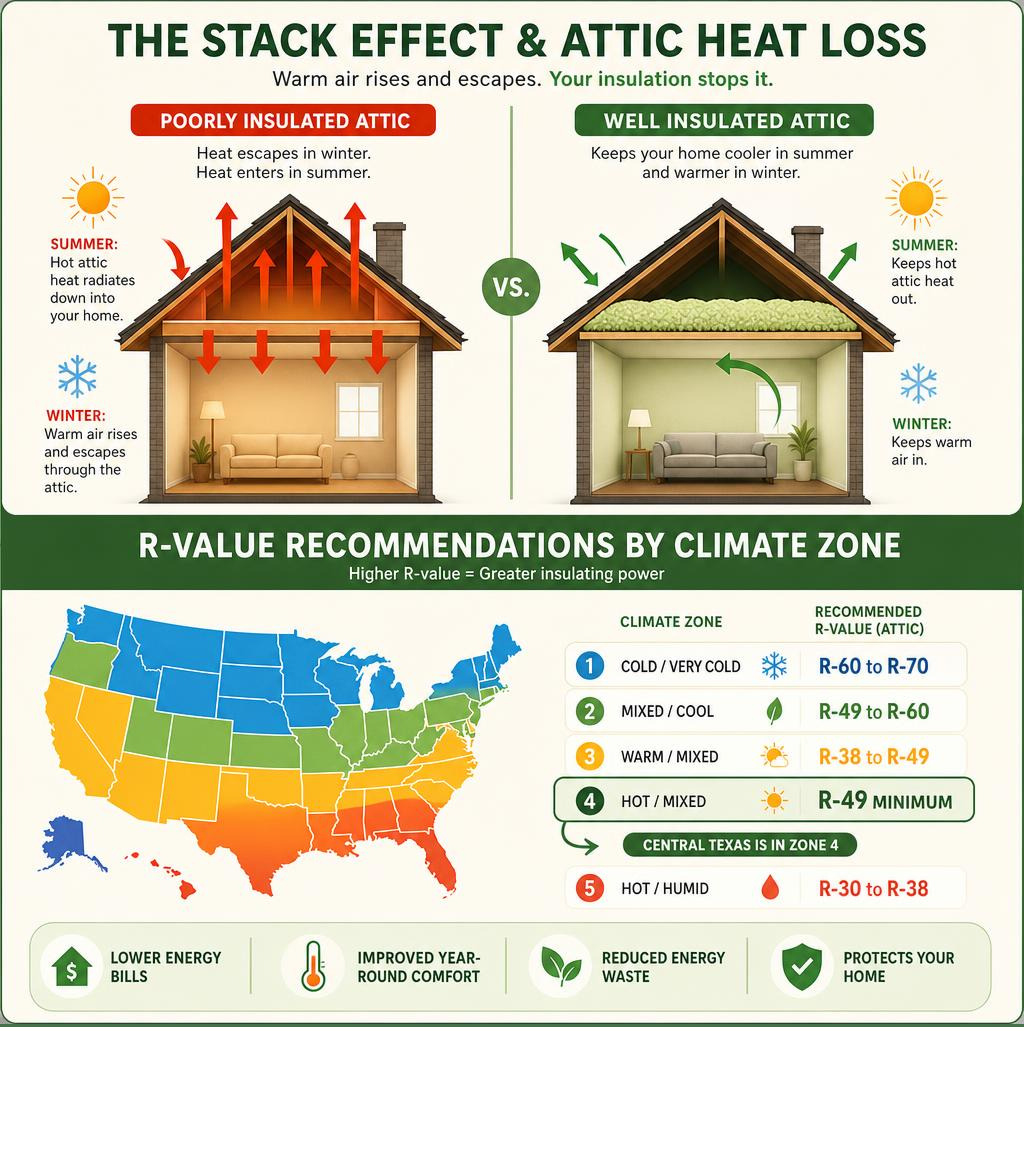
The science behind this is straightforward. Heat moves from warm areas to cooler ones. In summer, your attic can become an intense heat source that radiates directly into your living space, forcing your AC to work overtime. In winter, warm air generated by your heating system rises and escapes through gaps and under-insulated surfaces in the attic ceiling. This is the stack effect, and it is one of the biggest sources of energy loss in any home.
According to the U.S. Department of Energy, attic air leaks represent one of the greatest opportunities to improve home efficiency and reduce energy waste. Yet research consistently shows that roughly 90% of homes across the country do not have adequate attic insulation by modern standards. Many older homes were built to codes that are significantly outdated, leaving homeowners paying more than necessary every single month.
The good news is that addressing this problem does not have to be overwhelming. Whether you are starting from scratch, adding insulation over an existing layer, or deciding between materials and methods, this guide walks you through everything you need to make a confident, informed decision.
I am Chris Woods, owner of Woods Comfort Systems, a third-generation HVAC and home comfort company serving Central Texas since 1956. Over the decades, my team and I have seen how the right attic insulation strategy transforms homes from energy drains into efficient, comfortable spaces. In the sections ahead, I will share everything we have learned so you can make the smartest choice for your home.
The Critical Role of Attic Insulation in Home Comfort
To understand why attic insulation is so vital, it helps to look at your house as a complete thermal system. The insulation in your attic acts as a protective blanket. During a scorching summer in San Marcos, TX or New Braunfels, TX, the sun beats down on your roof, raising attic temperatures to well over 130 degrees. Without a robust thermal barrier, that heat transfers directly through your drywall ceiling and into your living spaces.
When your attic lacks proper protection, your AC unit has to run constantly to counteract this radiant heat. This continuous operation leads to skyrocketing utility bills and accelerates wear and tear on your expensive cooling equipment. By understanding how you benefit from attic insulation year-round, you can create a more stable indoor environment that keeps your family comfortable regardless of the weather outside.
Beyond temperature control, high-quality insulation plays a major role in managing indoor air quality and moisture. When humid air from South Central Texas finds its way into an unsealed, under-insulated attic, it can condense on cold surfaces, creating an environment where mold and mildew thrive. Properly installed materials prevent this moisture migration, protecting your home’s structure and your family’s respiratory health.
Many homeowners do not realize their insulation is failing until they experience noticeable discomfort. Recognizing the common signs of poor attic insulation, such as drafty rooms, uneven temperatures between upstairs and downstairs, and an overworked HVAC system, is the first step toward reclaiming your home comfort and lowering your monthly energy costs.
Assessing Your Current Attic Insulation Levels
Before purchasing any new materials, you must determine what is already up in your attic. This requires a quick, safe visual inspection. All you need is a flashlight, a standard measuring tape or ruler, and a cautious path along the attic floor joists. Always step only on the wooden framing joists, never on the drywall ceiling between them, or you risk falling through.
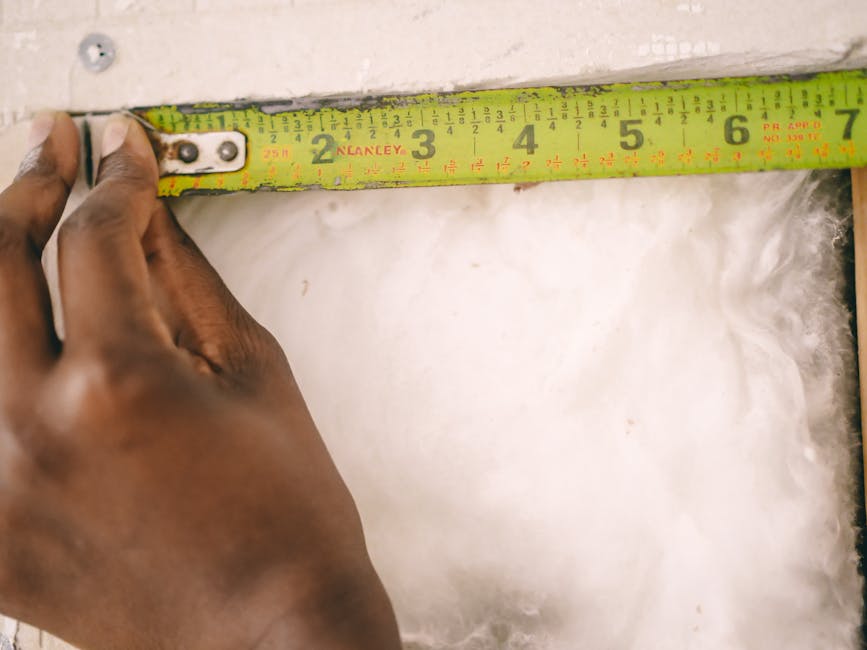
As you look across your attic, the easiest visual cue is the height of the existing material relative to your floor joists. If the insulation is level with or below the tops of the joists, you definitely need to add more. In well-insulated modern homes, the insulation should form a deep, uniform blanket that completely covers the wooden joists, leaving no gaps or low spots.
To calculate your current R-value, measure the depth of the material in inches. Different materials have different insulating powers per inch:
- Fiberglass batts or rolls: approximately R-3.2 per inch of depth.
- Blown-in fiberglass: approximately R-2.5 to R-2.8 per inch.
- Blown-in cellulose: approximately R-3.2 to R-3.7 per inch.
Multiply your measured depth by the appropriate material value. For example, if you have six inches of blown-in fiberglass, your current rating is roughly R-15. Because modern energy codes recommend at least R-49 for homes in our region, your home is operating far below its potential efficiency.
Failing to address these low levels does more than waste electricity. It directly impacts your entire home infrastructure. Learning how poor insulation impacts home systems will help you see why upgrading this single barrier protects your HVAC equipment, reduces ductwork condensation, and prevents premature system breakdowns.
Comparing Types of Attic Insulation Materials
Choosing the right material depends on your specific attic structure, your budget, and whether you plan to tackle the project yourself. The most common options each come with unique performance characteristics and installation requirements.
| Insulation Type | R-Value Per Inch | Best For | Key Advantage | Key Disadvantage |
|---|---|---|---|---|
| Fiberglass Batts | R-3.1 to R-3.4 | Standard joist spacing, DIY | Easy to handle, budget-friendly | Leaves gaps around wires and pipes |
| Blown-In Cellulose | R-3.2 to R-3.7 | Unfinished attic floors, retrofits | Fills gaps seamlessly, eco-friendly | Settles up to 20% over time |
| Blown-In Fiberglass | R-2.5 to R-2.8 | Deep coverage, moisture resistance | Lightweight, does not settle | Requires blowing machine rental |
| Spray Foam | R-3.5 to R-6.5 | Conditioned attics, roof decks | Built-in air barrier, high R-value | Higher upfront cost, professional only |
Fiberglass Batts
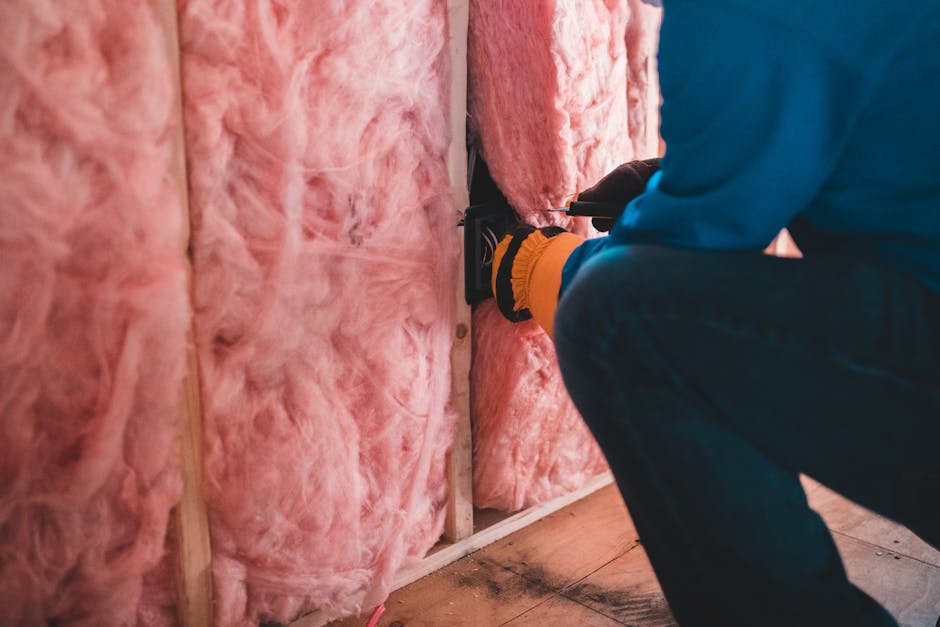
Fiberglass batts are pre-cut blankets of spun glass fibers designed to fit snugly between standard ceiling joists. They are highly accessible and popular for straightforward DIY projects. However, batts can perform poorly if they are compressed or if they leave small gaps around framing, plumbing stacks, and electrical boxes. For high-performance needs, using pre-cut R-49 fiberglass insulation batts can simplify the process of achieving modern thermal targets in open joist cavities.
Blown-In Cellulose
Blown-in cellulose is made from recycled newspaper treated with borate for fire and pest resistance. It is denser than fiberglass, which makes it excellent at blocking airflow and resisting heat transfer. Because it is blown into the attic using a flexible hose, it fills every tiny gap, void, and odd-angled corner, creating a seamless thermal blanket.
Spray Foam
Spray foam is applied directly to the underside of the roof deck rather than the attic floor. This technique brings the entire attic space inside the thermal envelope of your home, which is highly beneficial if your AC air handler and ductwork are located in the attic. Spray foam provides an exceptional air barrier, though it represents a significantly higher upfront investment.
If you are feeling overwhelmed by these choices, taking the time to research choosing the right insulation for your attic will guide you toward the material that matches your home’s architecture and your family’s comfort goals.
Step-by-Step Guide to Air Sealing and Preparation
Adding new insulation without air sealing first is like putting on a heavy wool sweater on a windy day without a windbreaker. The air will blow right through the fibers, carrying your expensive conditioned air with it. Air sealing stops the physical movement of air, allowing your insulation to do its job of slowing down heat transfer.
Step 1: Locate the Leaks
Before laying down any material, look for the primary bypass points where air escapes from your living spaces into the attic. Common culprits include:
- Plumbing stacks and vent pipes
- Electrical wires routing through top plates
- Recessed ceiling light fixtures
- The perimeter of the attic access hatch
- Chimney chases and flue pipes
Step 2: Seal the Gaps
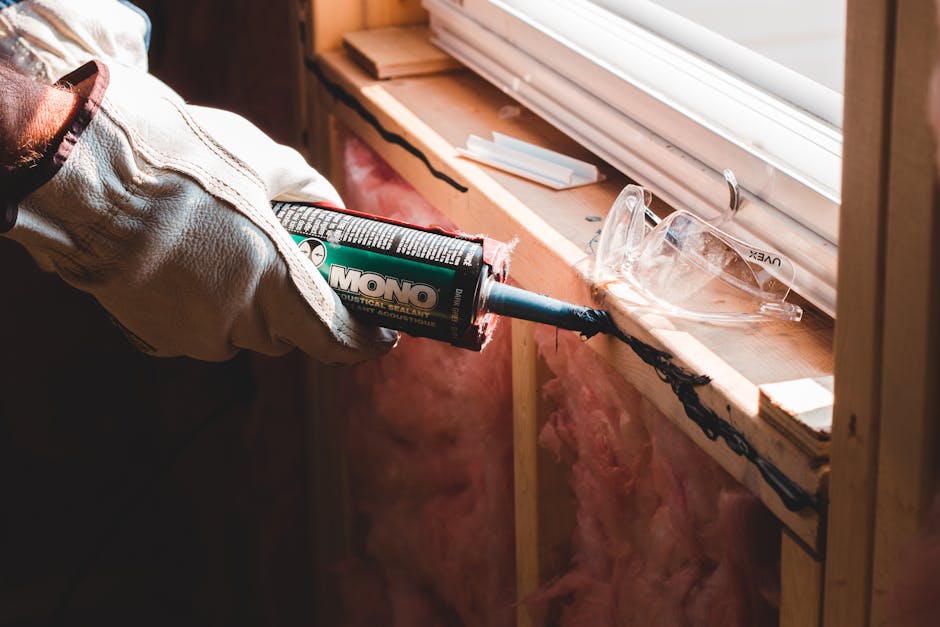
Use expanding polyurethane foam or high-quality silicone caulk to seal these openings. For larger gaps around chimney chases, use sheet metal flashing secured with high-temperature fire-rated caulk.
Step 3: Protect Your Ventilation
Never block your soffit vents. These vents allow fresh air to enter the lower part of the attic and escape through the ridge vents, carrying away heat and moisture. Install rigid plastic or cardboard baffles, also called rafter vents, between the rafters at the eaves. These baffles guarantee that your new insulation will not slide down and choke off the essential airflow.
Step 4: Address Electrical and Light Fixtures
Standard recessed “can” lights generate substantial heat. If they are not rated for direct insulation contact (non-IC rated), covering them can create a fire hazard. Build a small box out of rigid foam board to maintain a three-inch clearance around these fixtures, or replace them with modern, energy-efficient IC-rated LED retrofits before insulating.
Understanding the relationship between these preparation steps and your home comfort is essential. Seeing how attic insulation affects HVAC performance highlights why proper air sealing and ventilation protection prevent common issues like duct sweating and system strain.
DIY vs. Professional Attic Insulation Installation
Many homeowners consider attic insulation a weekend DIY project. While laying fiberglass batts or renting a blowing machine to install cellulose is entirely feasible for a handy homeowner, the job is physically demanding and requires strict attention to safety.
If you choose the DIY route, you must invest in proper safety gear. This includes a high-quality dust mask or respirator, safety goggles, heavy gloves, and a disposable protective suit to keep fibers off your skin. Working in an attic in Central Texas also carries a severe risk of heat exhaustion. DIY projects should only be attempted during cooler seasons, and work should stop before the attic space heats up in the mid-morning.
Renting a blowing machine requires a two-person team: one person feeding the compressed bags of insulation into the hopper in the yard or garage, and another balancing on the attic joists to direct the hose.
Hiring a professional contractor eliminates these safety risks and physical challenges. Professional crews have heavy-duty commercial equipment that can insulate a standard attic in a fraction of the time. They also possess the training to spot hidden structural issues, such as roof leaks, mold, or active electrical hazards like old knob-and-tube wiring, which must never be covered with insulation.
Furthermore, professional installation ensures that your project complies with all local building codes and qualifies for available utility rebates and federal tax credits. If you are weighing your options, reading about improving your home’s attic insulation can help you decide whether to tackle the work yourself or trust the project to experienced professionals.
When to Call a Professional
While DIY projects can be rewarding, attic projects often involve complex home systems. Homeowners should immediately contact a professional contractor if safety concerns arise, specialized tools are required, or if intricate HVAC, plumbing, electrical, roofing, or structural systems are involved. If you are unsure about performing any task correctly, relying on certified experts is the safest and most efficient way to protect your home investment.
Frequently Asked Questions About Attic Insulation
How much attic insulation do I need for my climate zone?
The U.S. Department of Energy divides the country into distinct climate zones. Most of Central Texas, including San Marcos, TX and Austin, TX, sits in Climate Zone 2 or 3, where a minimum of R-38 to R-49 is recommended. However, to maximize energy savings and offset our intense summer heat, aiming for R-49 is the smartest strategy for local homeowners.
Can I install new insulation over existing attic insulation?
Yes, you can install new insulation directly over your existing material, provided the old insulation is dry, free of mold, and has not been contaminated by pests. If you are adding fiberglass batts over existing loose-fill or older batts, always use unfaced batts. Adding a second vapor barrier can trap moisture between the layers, leading to wood rot.
What are the signs that my home needs more insulation?
The most common indicators include high electric bills, an AC system that runs constantly without cooling the home, hot and cold spots between different rooms, and drafty ceilings. In winter, if you notice that heat escapes so quickly that your home cools down immediately after the furnace turns off, your attic is likely under-insulated.
Should I air seal my attic before adding insulation?
Absolutely. Air sealing is the single most important step in any attic upgrade. Insulation is designed to slow down conductive heat transfer, but it does not stop convective air currents. Sealing gaps with expanding foam and caulk prevents conditioned air from escaping, ensuring your new insulation performs at its fully rated R-value.
How do I protect soffit vents and recessed lights when insulating?
Install pre-formed rafter baffles at the eaves to keep blown-in or batt insulation from blocking your soffit vents. For recessed can lights, verify if they are IC-rated. If they are not, you must build a protective enclosure around them using fire-rated materials to maintain a safe clearance and prevent overheating.
What is the difference between fiberglass and cellulose insulation?
Fiberglass is made from spun glass fibers, is highly moisture-resistant, and does not settle over time. Cellulose is manufactured from recycled newspaper treated with borates, making it denser and highly effective at blocking airflow. Cellulose has a slightly higher R-value per inch but can settle up to twenty percent over several years.
How much money can I save by insulating my attic?
According to the Environmental Protection Agency, properly air sealing and insulating your attic can save an average of fifteen percent on your heating and cooling costs. Depending on the size of your home and your local utility rates, this upgrade typically pays for itself within a few years.
What safety equipment do I need for a DIY insulation project?
You should wear a double-strap dust mask or N95 respirator, safety goggles, long sleeves, heavy work gloves, and a disposable hood suit. Additionally, use temporary work lights to ensure clear visibility and place a sturdy piece of plywood across the joists to create a safe, stable platform to stand on.
How long does typical attic insulation last?
Fiberglass insulation can easily last eighty to one hundred years if it remains dry and undisturbed. Cellulose generally has a lifespan of twenty to thirty years before it begins to degrade or settle significantly. However, water damage from roof leaks or pest infestations can ruin any insulation material prematurely.
Why should I hire a professional HVAC and insulation contractor in San Marcos, TX?
A professional contractor has specialized tools, such as thermal imaging cameras, to locate hidden air leaks and void spaces. They understand our unique Central Texas climate, ensure your home maintains proper ventilation balance, handle the physical hazards safely, and guarantee that the entire project meets modern energy codes.
Conclusion
Upgrading your attic insulation is one of the most practical and cost-effective steps you can take to lower your monthly utility bills, protect your HVAC equipment, and enjoy a consistently comfortable home. While the work requires careful preparation and strict attention to safety, the long-term return on investment makes it an essential project for any homeowner.
Whether you need professional attic insulation, seasonal HVAC maintenance, or comprehensive home comfort solutions, the team at Woods Comfort Systems is ready to help. Schedule your professional attic insulation service today to start enjoying year-round comfort, improved energy efficiency, and lower monthly utility bills.