

Why Your Heater May Smell Burnt at Seasonal Startup
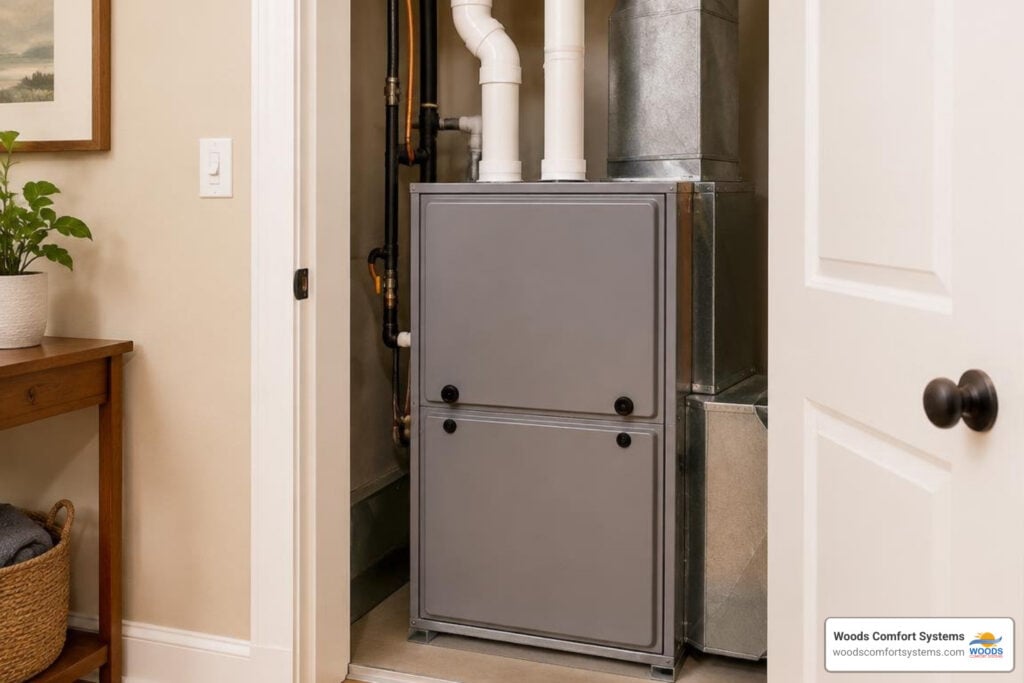
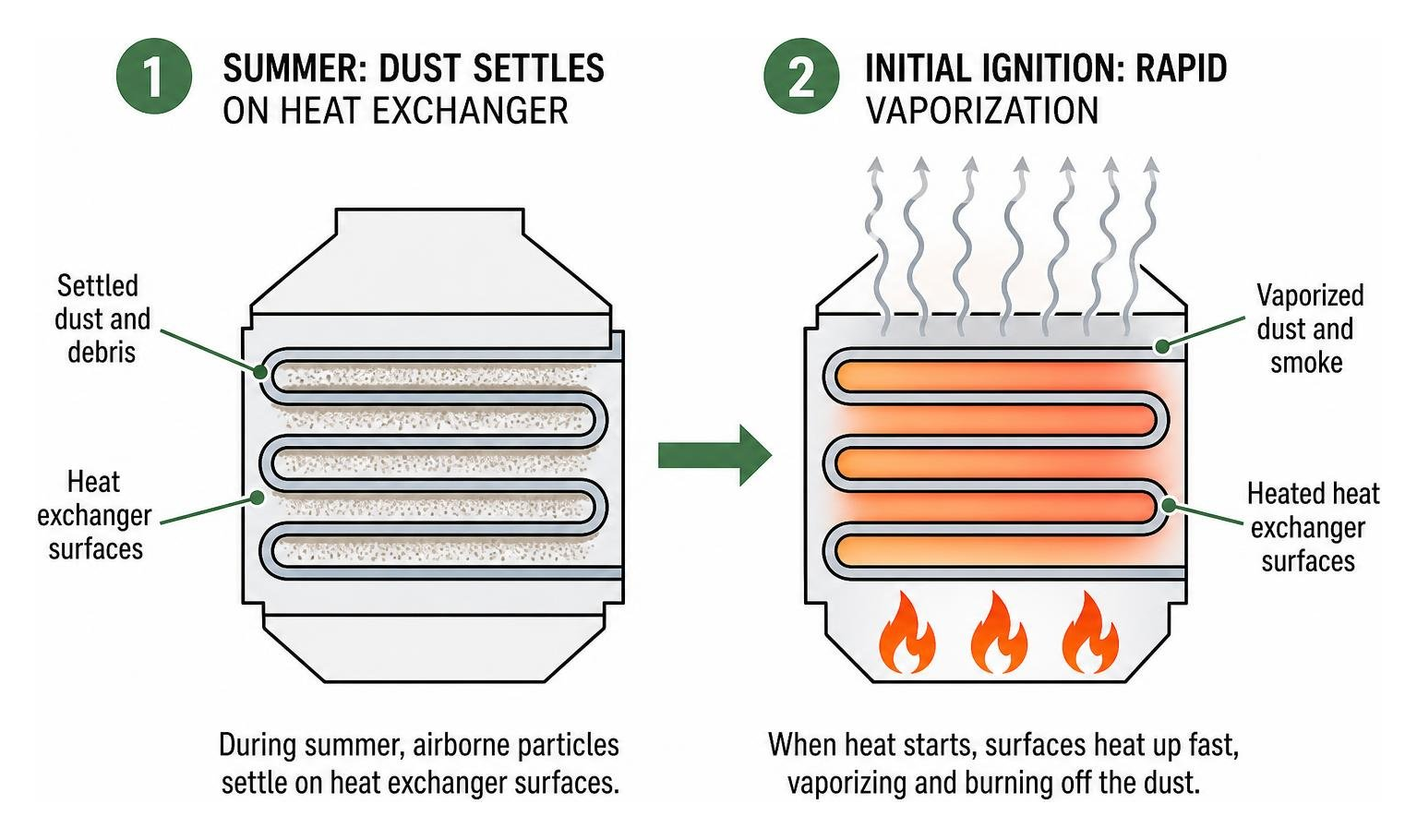
A burning smell when turning on heat at seasonal startup can be normal if a light dusty odor fades within the first hour. Dust and lint can burn away from heating surfaces when the heat starts. Dust, lint, and other particles build up indoors over the cooling season, and the EPA notes that indoor air can carry more pollutants than many people expect.
If the odor grows stronger, becomes chemical or electrical, produces smoke, or sets off an alarm, turn the system off at the thermostat and call Woods Comfort Systems. Do not remove panels or diagnose gas, wiring, or sealed components.
Common reasons for a brief startup odor include:
- Dust and pet dander on heating surfaces
- Lint or fibers drawn toward the return-air area
- Protective coatings burning off a new heating system
- Debris around registers or the furnace area
What a Normal Dust Smell Is Like
A normal dust smell is dry and mild. It should fade, not intensify. Keep the system running only while the odor improves.
Why Startup Smells Are Common in Central Texas
Central Texas homes often rely on cooling for long stretches, so the heating side of the system may sit unused through much of the year. During that time, ordinary household dust, pet hair, and lint can settle on heating surfaces and collect near the return-air area. Dry, dusty weather can add more particles, especially when doors open frequently or indoor activity stirs up dust. When the first cold front arrives in fall, turning on the heat warms those settled particles, which is why many homeowners notice a mild dusty odor at seasonal startup. The smell should fade as the system runs. A fall tune-up before the first cold front can help reduce this buildup by giving our technician a chance to clean accessible areas, check airflow, and identify concerns before regular heating use begins. It also helps homeowners start the season with a clean filter and clear vents. That preventive visit does not eliminate every startup odor, but it can make a normal dust smell less noticeable and help catch conditions that deserve professional attention.
If the smell returns, lasts beyond startup, or changes character, schedule service. Persistent odors may point to restricted airflow, electrical overheating, or a combustion problem a technician should evaluate.
Heat Pump Backup Heat on the First Cold Morning
A heat pump’s electric backup heat can produce the same light dusty odor when it runs for the first time in the season. The smell should fade as dust burns away. A sharp electrical odor, smoke, or a smell that gets stronger is not normal. Turn the system off at the thermostat and call us instead of inspecting electrical components. Our heat pump service can evaluate backup heat operation and related equipment safely.
A Smell From a Newly Installed Furnace
A newly installed furnace can give off a light smell during its first heating cycles as small amounts of factory residue burn away. Like seasonal dust burn-off, the odor should become less noticeable as the system runs. The smell should not become sharp, chemical, or smoky. If it persists after the initial runs or changes character, turn the heat off and contact Woods Comfort Systems. A technician can check the installation and internal components, so you never need to open panels or troubleshoot gas or electrical parts yourself.
Diagnosing a Burning Smell When Turning On Heat
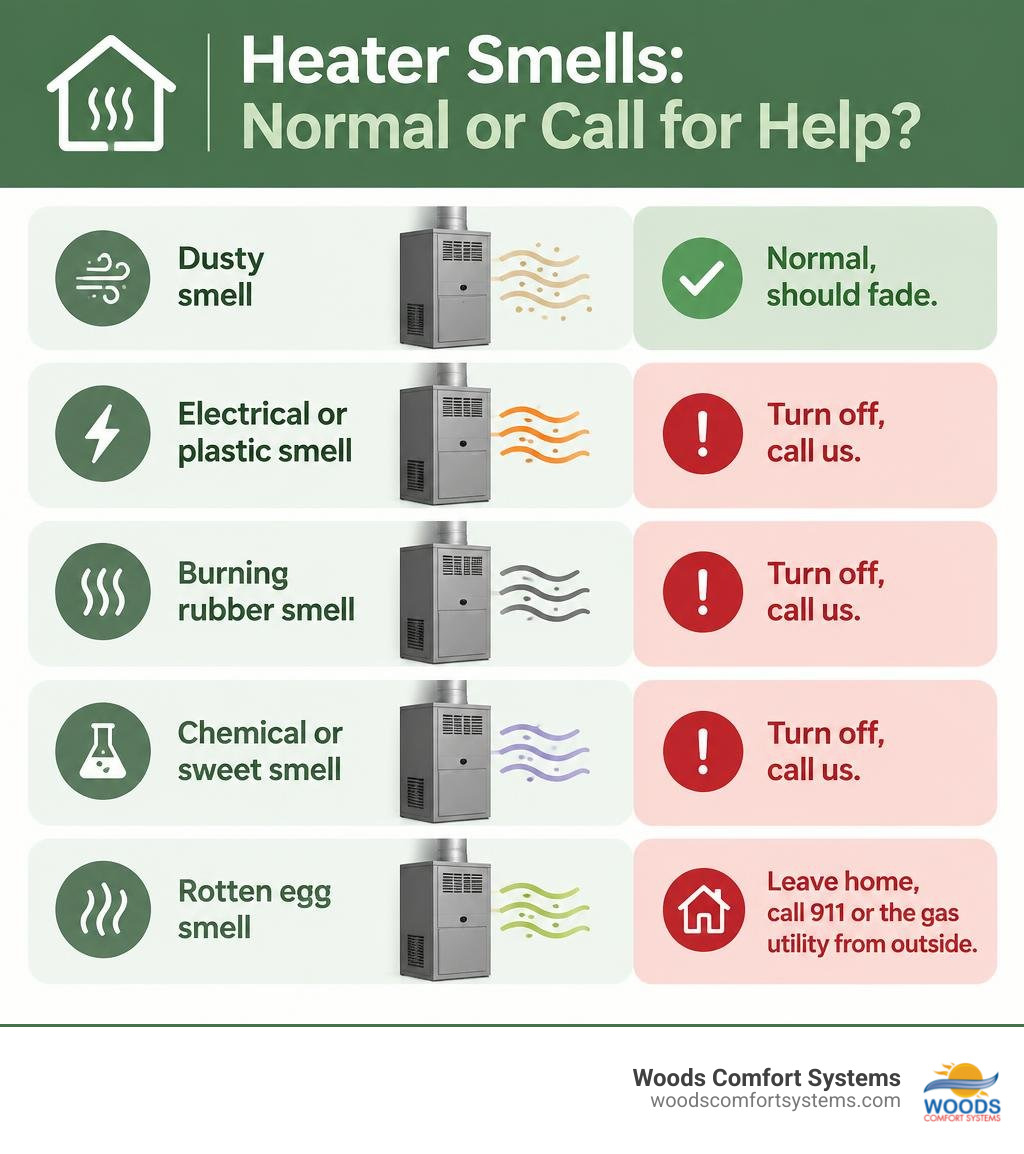
Not every furnace odor has the same cause or urgency. Use the smell and how it changes to decide whether to monitor the system briefly or turn it off and call for help.
| Odor Profile | Likely Cause | What to Do |
|---|---|---|
| Dry dust | Seasonal dust burn-off | Monitor while it fades during the first hour. |
| Melting plastic or burning wire | Overheated wiring, a failing capacitor, or a stressed motor | Turn the system off and call for service. |
| Burning rubber or friction | A motor or blower problem | Turn the system off and call for service. |
| Sweet or chemical fumes | A combustion or heat-exchanger concern | Shut down the heat and call for service. |
| Rotten eggs or sulfur | A possible natural-gas or propane leak | Leave the home, then call the gas utility or 911 from outside. |
Electrical or Plastic Smells
A sharp odor that resembles melting plastic, scorched wiring, or hot electronics is not a normal seasonal smell. It may indicate overheating electrical components, loose connections, or a blower-motor problem. Homeowners should turn the system off at the thermostat and, if it can be done safely, use the dedicated breaker or furnace switch. Our technician handles electrical testing, wiring repairs, capacitors, and internal motor work. For prompt help, schedule furnace repair.
Chemical Odors and Carbon Monoxide Concerns
A sweet, sharp, or chemical odor during furnace operation deserves immediate attention. A damaged heat exchanger or a combustion-venting issue can allow unsafe byproducts into the air stream, and these sealed components require professional testing. Carbon monoxide itself has no smell or color. The CDC recommends a battery-operated or battery-backup carbon monoxide detector in the home.
If a carbon monoxide alarm sounds, leave the home immediately and call 911 or the fire department from outside. For related warning signs, read our heat exchanger guide.
Rotten-Egg or Sulfur Odors
Natural gas and propane are odorless, so utilities add mercaptan to create a distinct sulfur or rotten-egg odor. If you notice that smell, do not use switches, appliances, or phones inside the home. Leave the home first, then call the gas utility or 911 from outside. Do not try to locate the leak or handle gas equipment. See our gas smell guidance for more safety information.
Airflow and Equipment Issues That Can Cause Persistent Odors
A burning smell when turning on heat that does not fade may be related to airflow or an internal equipment problem. A dirty filter and blocked vents are safe homeowner checks. Electrical parts, burners, and heat exchangers should be evaluated by our technician.
Clogged Air Filters and Overheating
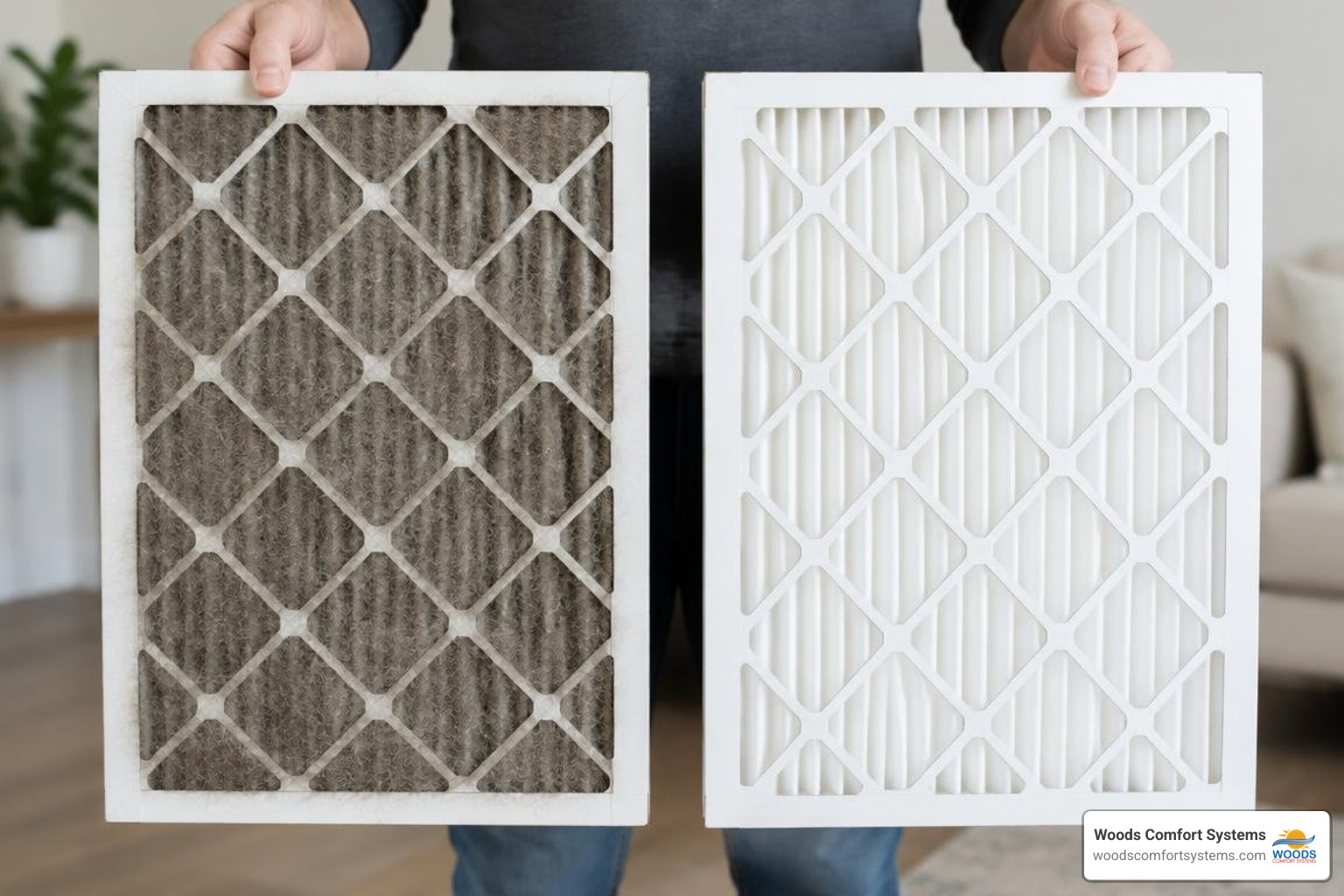
A clogged filter restricts return airflow and can make the furnace work harder than it should. Heat can build up inside the cabinet, and the blower may become strained. Check the filter size and condition, replace a visibly dirty filter, and make sure return grilles and supply vents are not blocked by furniture, rugs, or storage.
If the system shuts down repeatedly or still smells burnt after you correct those safe issues, turn it off and call for heating repair. Our technician can check the blower, safety controls, electrical connections, and other internal components.
A Recent Service Call in New Braunfels
Repeated system shutdowns in a New Braunfels home were linked to overheating components, with dirty filters and restricted airflow identified as the root cause. The issue was resolved after the system was cleaned and serviced, and heating performance stabilized. Checking the filter and keeping vents open are safe homeowner steps; anything beyond that is work for our technician.
Heat Exchangers and Internal Electrical Components
The heat exchanger separates household air from combustion gases. Cracks or venting problems can affect safe operation, but they cannot be confirmed with a visual homeowner inspection. Likewise, scorched wiring, control boards, and capacitors require professional diagnosis. If you notice chemical fumes, repeated shutdowns, or an electrical smell, stop using the heat and arrange service rather than opening the equipment cabinet.
Safe Steps to Take When Your Heater Smells Burnt
When a heater produces an unusual odor, keep the response simple and safety-focused. A homeowner can make a few low-risk checks, but gas, electrical, and sealed-system concerns belong with our technician.
Start With Safe Homeowner Checks
- Turn the thermostat off: Stop the heating cycle if the smell is strong, worsening, chemical, or electrical.
- Check the filter: Replace it if it is visibly loaded with dust or pet hair. Use the size and airflow rating recommended for your equipment.
- Check vents and returns: Remove furniture, rugs, or storage items that block airflow. Make sure interior doors are open enough for return air to circulate.
- Clear nearby debris: Keep boxes, paint, aerosols, and other combustible materials away from the furnace area. Do not store items against the cabinet or in front of service access.
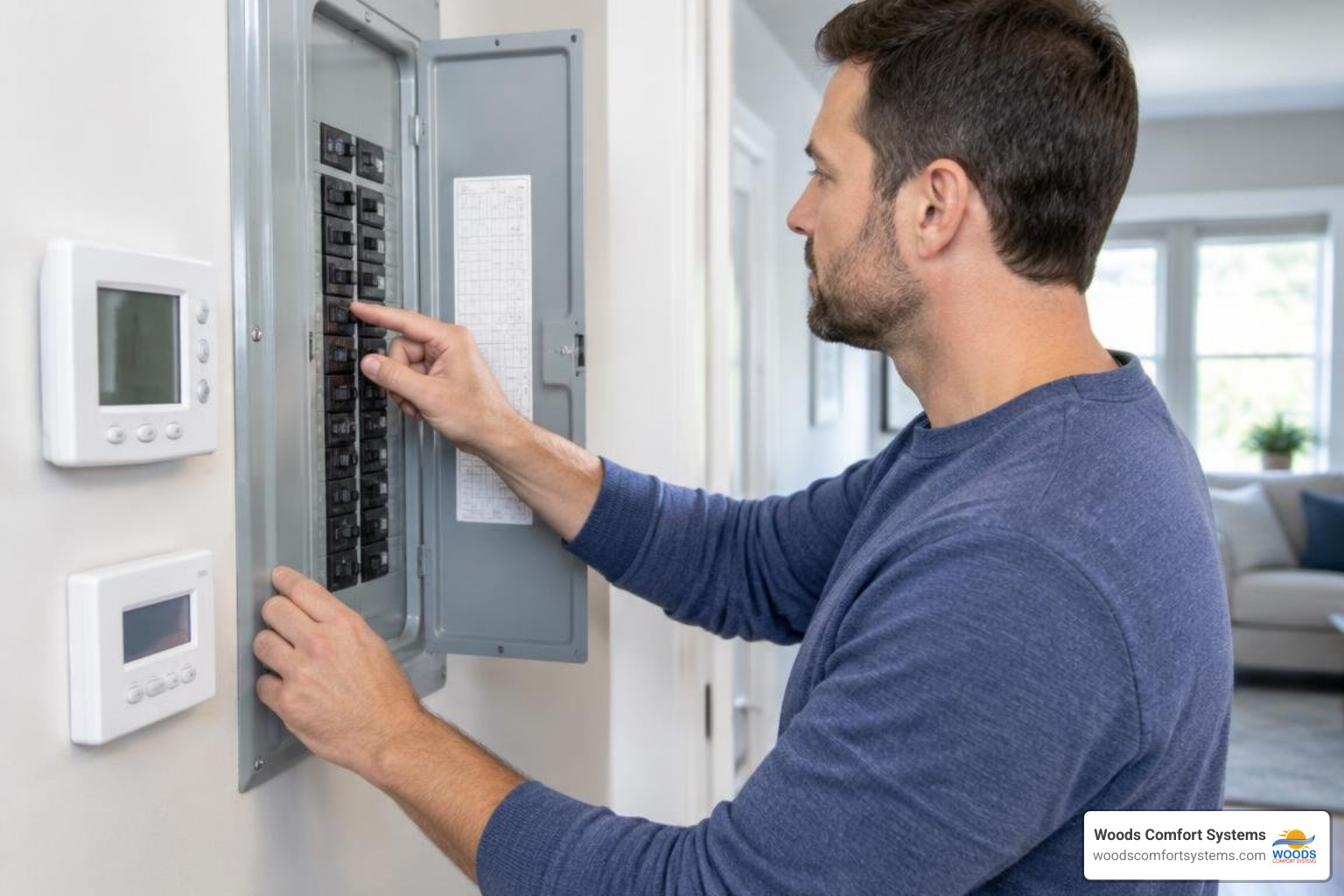
- Use the breaker or service switch if needed: If there is smoke, sparks, or a strong electrical odor, turn off power only if it can be done safely, then call for help.
These checks can rule out simple airflow restrictions, but they cannot confirm the condition of wiring, burners, heat exchangers, or safety controls. If the system does not return to normal operation after the safe checks, leave it off until a professional evaluates it.
What to Tell Us When You Call
When you call, share when the odor first appeared and whether it began at seasonal startup, while the system was running, or after a change in operation. Describe whether it smelled dusty, electrical, chemical, or like rotten eggs, and say whether it faded or grew stronger. Let us know if you saw smoke, heard a carbon monoxide alarm, or noticed that the system shut off on its own. It is also helpful to mention when the filter was last changed and whether any vents or returns were blocked before the odor began.
When to Leave and When to Call
Leave the home immediately if you smell sulfur or rotten eggs, see active sparks or flames, see visible smoke, or hear a carbon monoxide alarm. Once outside, call the gas utility, 911, or emergency services as appropriate.
For a dusty odor that fades during the first hour, continue monitoring the system. For a smell that persists, changes, or returns repeatedly, schedule a professional visit. Our furnace troubleshooting guide can help you recognize common symptoms before you call, but it is not a substitute for service when safety is in question.
Preventive Maintenance Helps Avoid Heater Odors
Seasonal maintenance can remove dust buildup, identify airflow restrictions, and catch worn components before the first cold front. Our NATE-certified technicians can clean the blower area, inspect combustion and electrical components, test safety controls, and look for issues that are not safe for homeowners to handle.
Maintenance is also a good time to review the condition of the filter, thermostat operation, drain and venting areas, and the general condition of the equipment cabinet. Small concerns are easier to address before frequent heating cycles begin. A technician can also confirm that the system is operating as intended after a repair or a period of repeated shutdowns. Our maintenance plans schedule this seasonal visit so it is not forgotten.
Between professional visits, keep a clear path to the furnace, change filters as needed, and avoid blocking return grilles. These habits support steady airflow and help reduce stress on the equipment. They do not replace an inspection when you notice chemical odors, electrical smells, unusual noise, or recurring safety shutdowns.
Explore our heating services before the heating season begins.
Homeowner Questions About Heater Odors
Can I run the heat with a light dusty smell?
A light dusty smell may be normal during the first heating cycle of the season if it steadily fades. Stay nearby while the system runs and turn it off if the odor becomes stronger or changes to chemical or electrical.
Should I replace my filter before calling for service?
Yes, replacing a visibly dirty, correctly sized filter is a safe first step. If the odor or repeated shutdowns continue after that, the next step is professional service.
What if the smell starts only when the blower turns on?
That pattern can suggest an airflow or blower-related issue, but it does not identify the exact cause. Turn the system off if the odor is sharp or burnt, and let our technician inspect the internal equipment.
Is it safe to reset a furnace after it shuts off?
One thermostat reset may be reasonable after you have checked the filter and open vents, but repeated resets can hide a problem. Stop resetting the system if it keeps shutting down and schedule service instead.
When should I book maintenance for my heating system?
Schedule maintenance before regular heating season whenever possible, especially if the system is older or had performance issues last year. A professional visit can address dust buildup, airflow concerns, and safety checks before cold weather arrives.
Conclusion
Most startup odors come down to whether the smell is mild and fading or sharp and persistent. A light dusty smell can be normal, but a burning smell when turning on heat that becomes stronger, smells electrical or chemical, or accompanies an alarm calls for a shutdown and professional attention.
Written by Chris Woods, Owner, Woods Comfort Systems. Chris is the third generation of the Woods family in Texas HVAC and has led Woods Comfort Systems in San Marcos since 2010.
Woods Comfort Systems has been family-owned since 1956 and led by three generations of the Woods family. With 4.9 stars on Google, the team serves San Marcos and Central Texas and Hill Country communities such as Austin, New Braunfels, Kyle, Buda, and Wimberley. For safe, practical help with heating concerns, contact our team to schedule service or ask about after-hours emergency service.
Woods Comfort Systems · 1900 Dutton Dr, San Marcos, TX 78666 · (512) 253-8927