


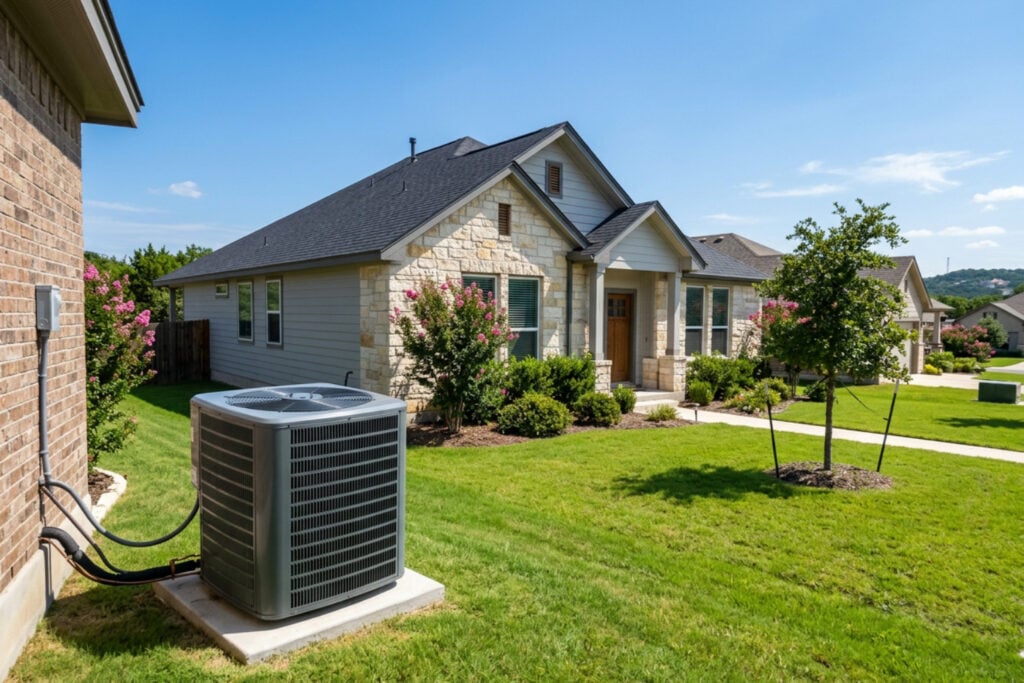
Why the Best HVAC Company San Marcos Homeowners Choose Is a Careful Decision
Choosing the best HVAC company San Marcos homeowners can rely on begins with more than a fast online search. Your heating and cooling system affects daily comfort, indoor air conditions, and how confidently your household can respond when equipment stops working. A dependable local company should make the process clear, answer questions directly, and recommend work based on the condition of your home and system.
San Marcos homes range from older properties with aging ductwork to newer homes with different comfort concerns. That variety makes careful evaluation important. Rather than choosing a provider based only on a promotion or a single review, compare how each company communicates, documents its recommendations, and supports customers after the appointment.
Questions to Ask Before You Schedule Service
Ask whether the contractor holds the appropriate Texas license and insurance, and request the license information before authorizing work. Ask whether the technician will provide a written estimate that explains the recommended repair, replacement, or maintenance work in plain language. You should also ask how the company handles after-hours emergency needs, what maintenance options it offers, and how it responds if you have a concern after service is completed.
A useful conversation should leave you with a clear next step, not pressure. The provider should be willing to explain what was found, identify what needs prompt attention, and distinguish that from work that can be planned later. When a company cannot explain its recommendation without vague language or urgency, it is reasonable to seek another opinion.
Red Flags to Watch For
Be cautious if a company will not verify its credentials, avoids written documentation, or gives a recommendation without examining the system. Other warning signs include changing explanations, unclear appointment windows, or dismissing reasonable homeowner questions. Strong reviews can be helpful, but read the comments for details about communication, punctuality, cleanliness, and how the company handled follow-up.
You can also look for consistency. A professional provider will have an established local presence, a clear service process, and staff who explain the limits of a quick inspection. Choosing carefully helps you build a relationship with a company before an urgent heating or cooling problem makes the decision feel rushed.

Credentials, Communication, and Local Experience
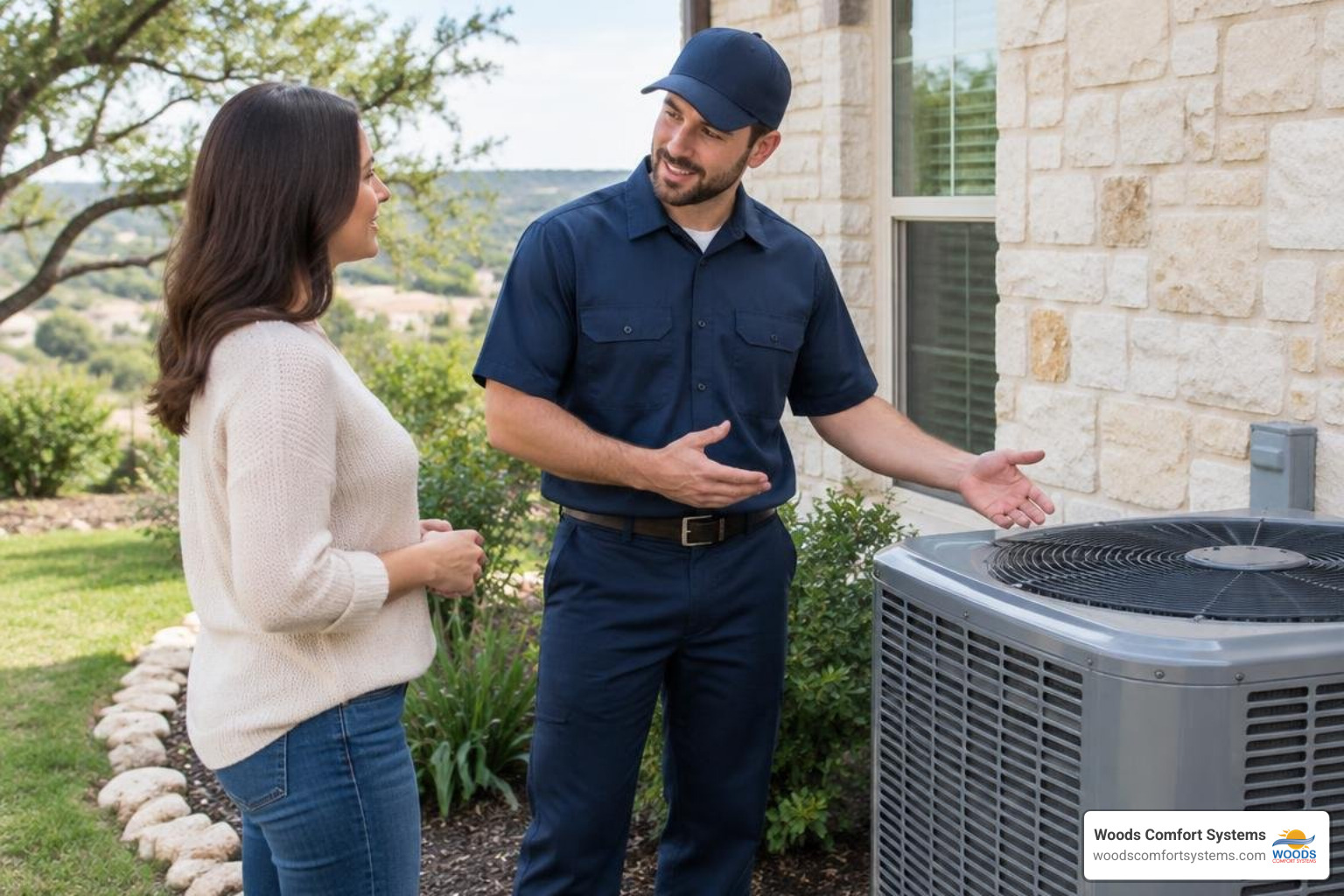
A quality HVAC company should be ready to verify its licensing, insurance, and training without hesitation. In Texas, that information helps homeowners confirm they are working with an accountable contractor. Credentials do not replace good communication, but they are an essential starting point before anyone performs work on heating, cooling, electrical, or refrigerant-related equipment.
Ask what the visit will include and how the technician will share findings. A written estimate should identify the concern, the recommended scope of work, and the reason the work is being suggested. It should give you enough information to make a decision without relying on assumptions or rushed verbal explanations.
Compare the Services That Matter to Your Home
The right company should be able to discuss the systems and services relevant to your concern. If cooling is the immediate priority, review the provider’s air conditioning services and ask how it approaches diagnosis before recommending a repair. When a system needs attention, a clear AC repair visit should explain the issue, the available next steps, and which work requires a trained technician.
For a heating concern, ask whether the company can evaluate comfort, airflow, and safe operation as part of its heating services. It is also useful to ask how the provider handles ongoing care, because seasonal attention can make it easier to identify developing issues before a comfort interruption. A company that listens to the symptoms you have noticed can better tailor its inspection to your home.
Reviews and Emergency Availability
Customer reviews are most useful when they describe the service experience instead of offering only a rating. Look for repeated comments about respectful technicians, accurate communication, tidy work areas, and how the company resolved questions afterward. A business with a thoughtful response process is often easier to work with when the situation is inconvenient or time-sensitive.
Emergency availability is another practical question. Ask what happens if a system fails outside normal hours, how the company communicates arrival expectations, and whether a technician can assess the situation safely. You do not need an emergency to learn how a provider treats customers, and asking in advance can help you decide with less stress later.
Safe Homeowner Checks Before Calling for HVAC Help

Homeowners can complete a few basic checks before scheduling service, but those checks should stay within safe limits. Start by confirming that the thermostat is set to the intended mode and temperature. Check whether the air filter is visibly dirty, make sure supply and return vents are open and unobstructed, and confirm that the appropriate breaker or equipment switch has not been turned off.
Outside, you can safely remove leaves, grass clippings, and loose debris from around the outdoor unit while keeping hands and tools away from internal parts. Clear space helps the equipment breathe and makes it easier for a technician to inspect the unit. If the system still is not operating as expected after these simple checks, write down the symptoms, such as unusual sounds, weak airflow, or inconsistent temperatures.
Work That Belongs to Our Technician
Anything involving gas, electrical connections, refrigerant, sealed components, or internal mechanical parts is work our technician does. Do not remove equipment panels, attempt to reset internal safety controls, or try to diagnose a leak. Those steps can create safety risks and can make the original problem harder to evaluate.
If your home has uneven temperatures or airflow concerns, ask whether the ductwork services available for your home may be relevant. For practical household guidance on indoor conditions, the Woods guide to improving indoor air quality offers useful context before you schedule a visit. Clear notes about what you observed give the technician a useful starting point without putting you at risk.
Protecting Indoor Comfort
Indoor comfort is not limited to the thermostat reading. Persistent odors, excess dust, rooms that feel different from the rest of the house, or a system that cycles unpredictably can all be worth discussing during service. A qualified technician can determine whether the issue is related to airflow, equipment operation, or another condition in the home.
The U.S. Environmental Protection Agency explains that indoor air quality can be affected by pollutant sources and ventilation. Its indoor air quality guidance is a helpful official resource for understanding why household comfort and air conditions deserve attention.
Repair or Replace: How to Have the Right Conversation
A trustworthy HVAC company should explain the condition of your system before recommending a major decision. Repair may make sense when the problem is isolated and the equipment has otherwise been dependable. Replacement may deserve consideration when breakdowns keep returning, comfort problems continue after appropriate repairs, or the existing system no longer meets your household’s needs.
The goal is not to apply a one-size-fits-all formula. Ask the technician to explain the source of the problem, the expected role of the proposed work, and what signs would indicate that another approach may be more practical. A clear explanation helps you compare options based on reliability, comfort, and the condition of the equipment rather than on pressure.
Ask for a Written Recommendation
A written recommendation gives you a record of what the technician observed and why a particular path was suggested. It should identify the relevant work in understandable terms and make space for your questions. If an explanation is unclear, ask the company to walk through the findings again before you approve anything.
It can also be useful to ask what maintenance history, airflow conditions, and previous repairs mean for the recommendation. Those details are specific to your home, and they are more helpful than a generic rule. A professional company should be comfortable discussing the reasoning behind its recommendation and the practical steps that come next.
Maintenance Supports Better Decisions
Regular care does not prevent every issue, but it provides more opportunities to spot concerns before they become disruptive. Scheduling AC maintenance gives a technician a chance to inspect operation, discuss filter and airflow concerns, and document items to monitor. For homeowners who want to understand the value of ongoing service, the Woods guide to heating maintenance benefits offers additional context.
ENERGY STAR’s maintenance checklist notes that regular heating and cooling maintenance includes simple homeowner tasks as well as professional service. That distinction matters: checking a filter or clearing loose debris is appropriate for a homeowner, while equipment work involving internal components is our technician’s responsibility.
Building a Long-Term Relationship With an HVAC Company
A good HVAC company helps you make informed decisions over time, not only when something stops working. That starts with clear maintenance conversations, practical appointment scheduling, and advice that reflects the equipment and comfort concerns in your home. It also means knowing what you can check safely and when to call for professional support.
Woods Comfort Systems serves homeowners in San Marcos and Central Texas and Hill Country communities such as Austin, New Braunfels, Kyle, Buda, and Wimberley. A local company should understand that homes in nearby communities can have different comfort concerns, while still applying the same careful approach to inspection, communication, and safe service.
Before an appointment, keep a short record of what you have noticed. Include when the issue occurs, which rooms are affected, whether airflow has changed, and whether the thermostat display shows anything unexpected. These details can help the technician focus the inspection and explain the findings in a way that makes sense.
Make Maintenance Expectations Clear
Ask what routine service includes, how the company documents its findings, and how you will be notified if it identifies a developing issue. You can also ask whether the provider offers maintenance plans and whether those plans fit how you use your home. A straightforward process makes it easier to schedule care before the busiest heating or cooling season.
Homeowners can support that work by replacing filters when needed, keeping vents clear, and maintaining open space around the outdoor unit. Those steps do not replace professional service, but they provide useful context and help avoid simple airflow restrictions. Anything beyond those safe checks, including work on electrical, gas, refrigerant, or sealed parts, is our technician’s job.
Choose a Company That Communicates
Looking for the best HVAC company San Marcos residents can trust also means paying attention to how a company communicates before, during, and after service. The team should confirm the appointment, explain findings without unnecessary jargon, and make it easy to ask follow-up questions. A company that values communication is more likely to give you a dependable experience when comfort matters most.
As you compare providers, consider whether they offer a clear path for routine care, repairs, and future planning. The best choice is one that respects your home, explains its work, and gives you information you can use. That approach supports a working relationship rather than a one-time transaction.
Frequently Asked Questions About Choosing an HVAC Company
What should I have ready when I call an HVAC company?
Write down the symptoms you have noticed, when they started, and whether they affect the whole home or only certain rooms. It also helps to note any sounds, thermostat messages, or changes in airflow. This information gives the service team useful context before the visit begins.
Is it reasonable to ask for a second opinion?
Yes, especially when a recommendation is difficult to understand or involves a major decision for your home. A reputable company should not discourage you from asking questions or seeking clarity. Keep the written findings from the first visit so the next technician can evaluate the situation with the right background.
How can I tell whether a company communicates well?
Pay attention to whether the team confirms appointments, explains what it found, and answers questions in plain language. Good communication also includes documenting the recommended work and setting realistic expectations for the next step. You should not feel pressured to make an immediate decision without understanding the recommendation.
What should I do before a technician arrives?
Make sure the thermostat is accessible and clear a safe path to the indoor and outdoor equipment. If you have changed the filter or noticed an issue with a breaker, switch, or vent, mention it when the technician arrives. Do not open equipment panels or attempt work involving internal components.
Can an HVAC company help with uneven temperatures in my home?
Yes, a technician can assess the symptoms and determine whether airflow, equipment operation, or another condition may be involved. Describe which rooms feel different and when you notice the change, because patterns can help guide the inspection. The appropriate solution depends on the findings in your specific home.
Choose an HVAC Partner With Confidence
Choosing an HVAC company is easier when you know what to ask and what to expect. Verify credentials, request written information, review the company’s communication style, and make sure its approach fits your household’s needs. A trusted provider should help you understand the condition of your equipment without turning every conversation into a high-pressure decision.
Woods Comfort Systems is ready to help homeowners in San Marcos make informed next steps for their heating and cooling needs. When you need dependable guidance or want to schedule service, contact our team to discuss your home and arrange an appointment.
Written by Chris Woods, Owner, Woods Comfort Systems. Chris is the third generation of the Woods family in Texas HVAC and has led Woods Comfort Systems in San Marcos since 2010.
About Woods Comfort Systems
Woods Comfort Systems has been family-owned since 1956, with three generations of the Woods family serving local homeowners. The company holds TACLA license 16934C, employs NATE-certified technicians, offers free estimates and financing, and provides after-hours emergency service. With 4.9 stars on Google, Woods Comfort Systems serves San Marcos and Central Texas and Hill Country communities such as Austin, New Braunfels, Kyle, Buda, and Wimberley.
Woods Comfort Systems · 1900 Dutton Dr, San Marcos, TX 78666 · (512) 253-8927