



Why Is One Room Colder Than the Rest of the House?
If one room colder than the rest of the house is making a Central Texas home uncomfortable, start by looking at the safe, visible factors that affect comfort. A room can feel chilly during a fast cold front even when the thermostat says the house is warm. In many single-story slab homes, the issue comes from a combination of outdoor exposure, window and door drafts, attic ductwork, or airflow that does not reach one part of the home as well as the rest.
A cold room does not automatically mean the heating system needs replacement. The most useful first step is to notice when the problem happens, whether airflow feels weak, and whether the room changes after simple adjustments. Those observations help separate a homeowner check from work that needs a trained HVAC technician.
Central Texas weather can expose weak spots
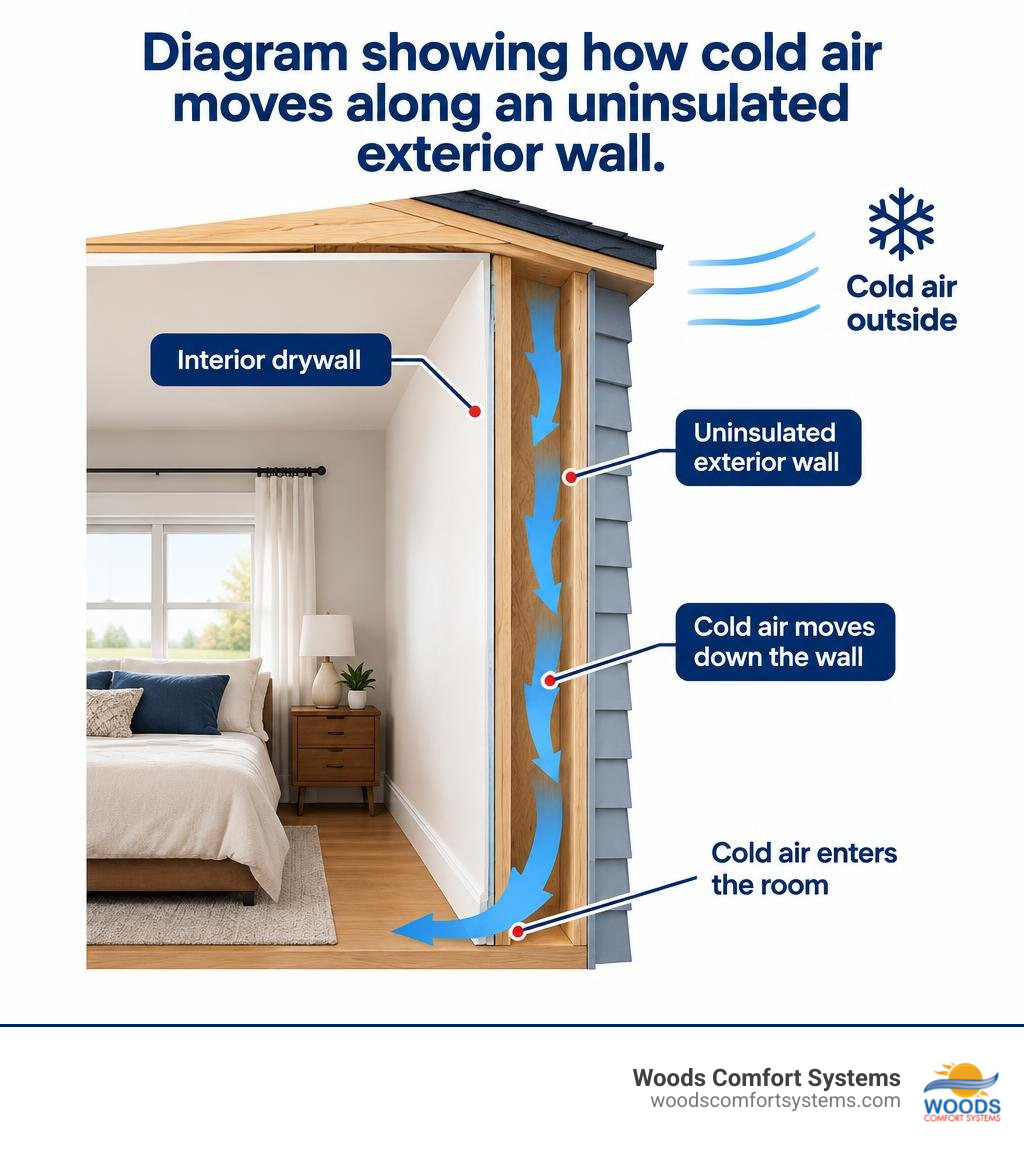
Mild winters in Central Texas can still bring sharp temperature changes, wind, and overnight cold fronts. A bedroom with exterior walls, an older window, or a door that does not seal well may lose heat faster than an interior room. Rooms over garages, rooms beside attic access points, and spaces at the far end of a long duct run can also be harder to keep comfortable.
The room itself may not be the only factor. A thermostat in a central hallway can reach its setting before a distant bedroom has had enough time to warm up. That does not mean a homeowner should adjust equipment inside walls, in the attic, or at the air handler. It means the pattern is worth noting so our technician can inspect the system safely.
Drafts and insulation affect comfort
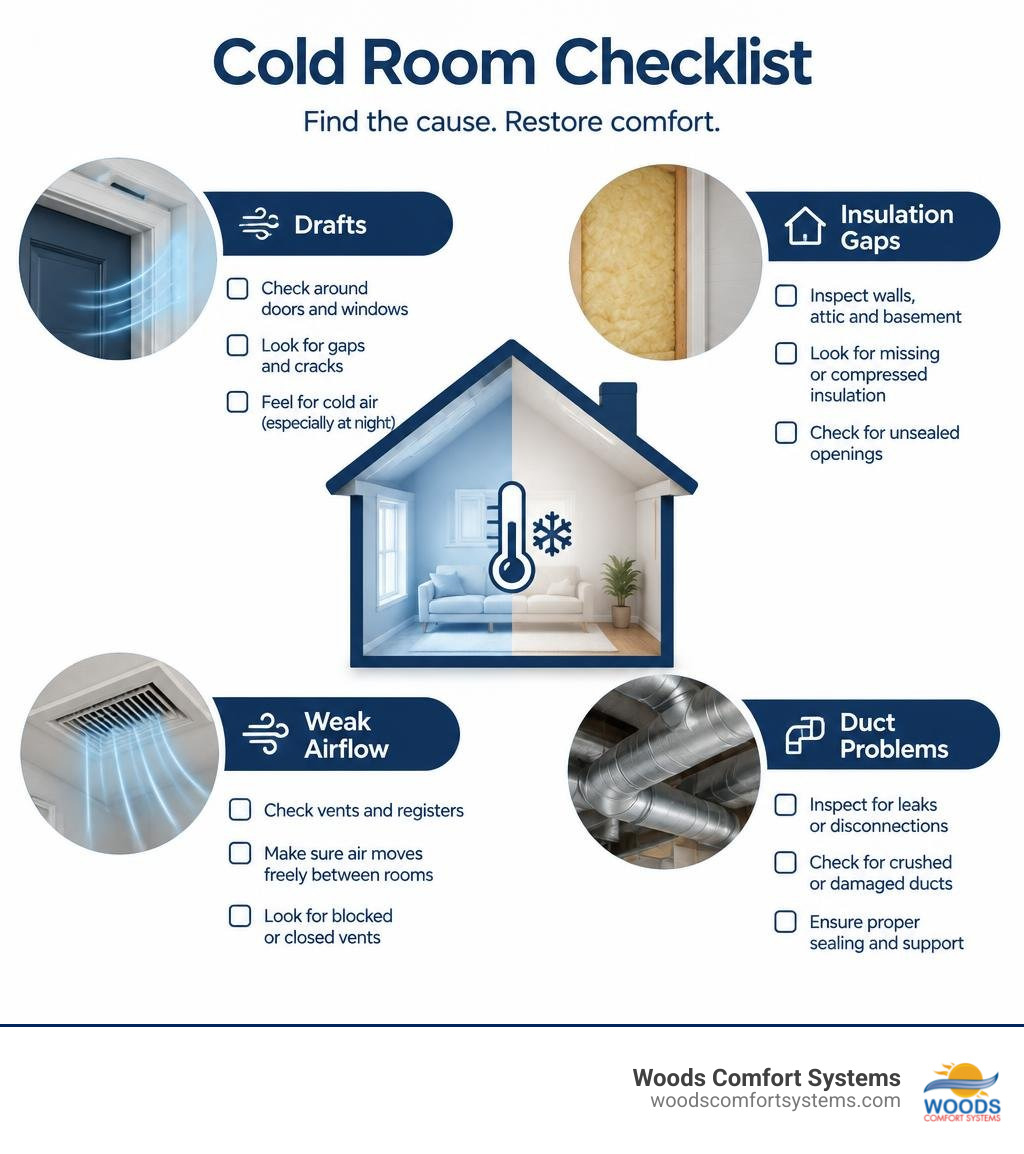
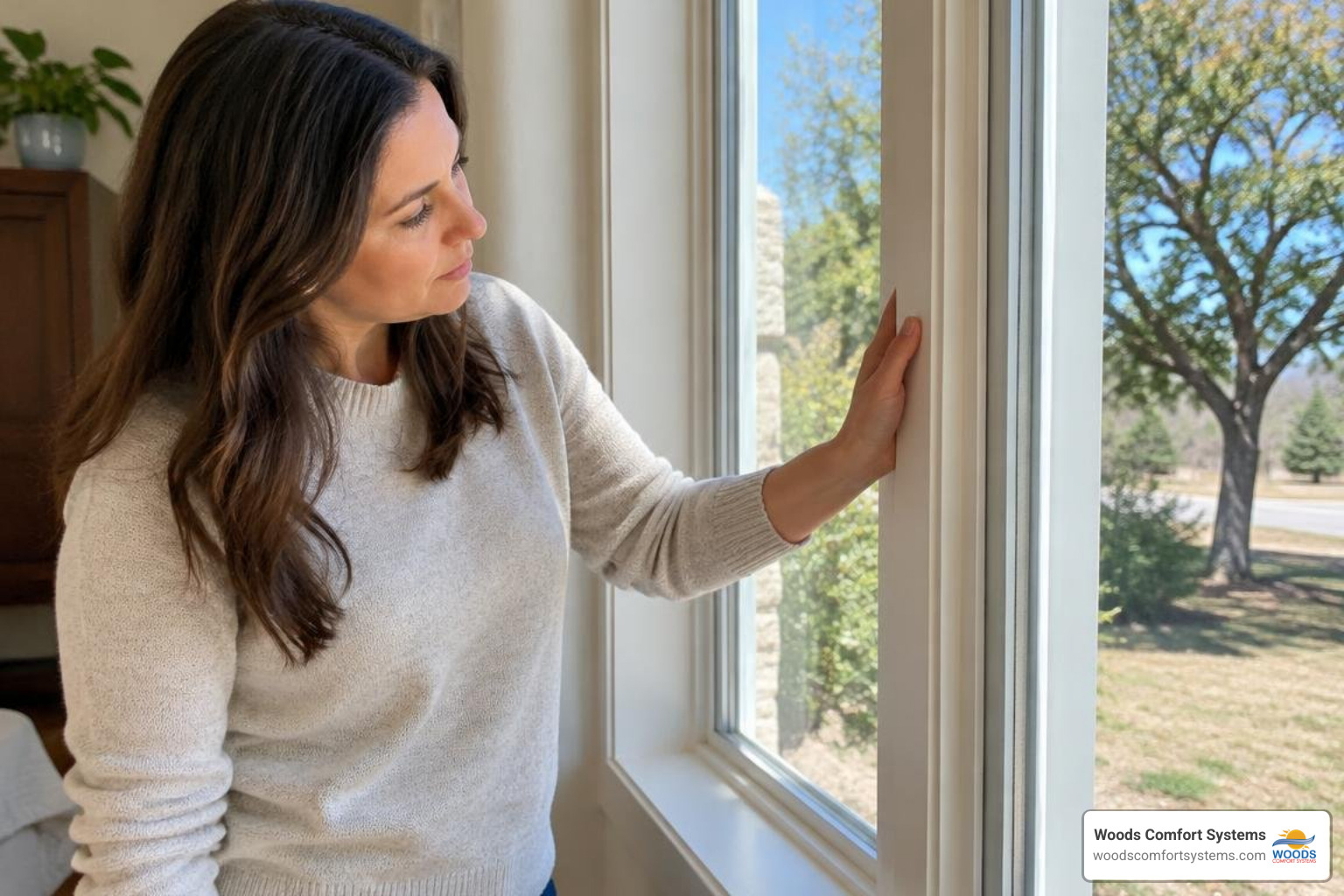
Drafts around windows and exterior doors can make a room feel colder even when warm air is reaching the register. On a cool day, hold the back of a hand near the window trim, door edges, and threshold to look for noticeable cold air. Closing curtains after sunset can also reduce the chill felt near glass.
Attic insulation and air sealing can matter in Texas homes, especially where attic heat and outdoor air affect the ceiling plane. ENERGY STAR provides heating and cooling guidance for improving home comfort and maintaining efficient HVAC operation. A technician can determine whether comfort concerns point to insulation, air leakage, airflow, or more than one issue.
Airflow and attic ductwork can leave one room behind
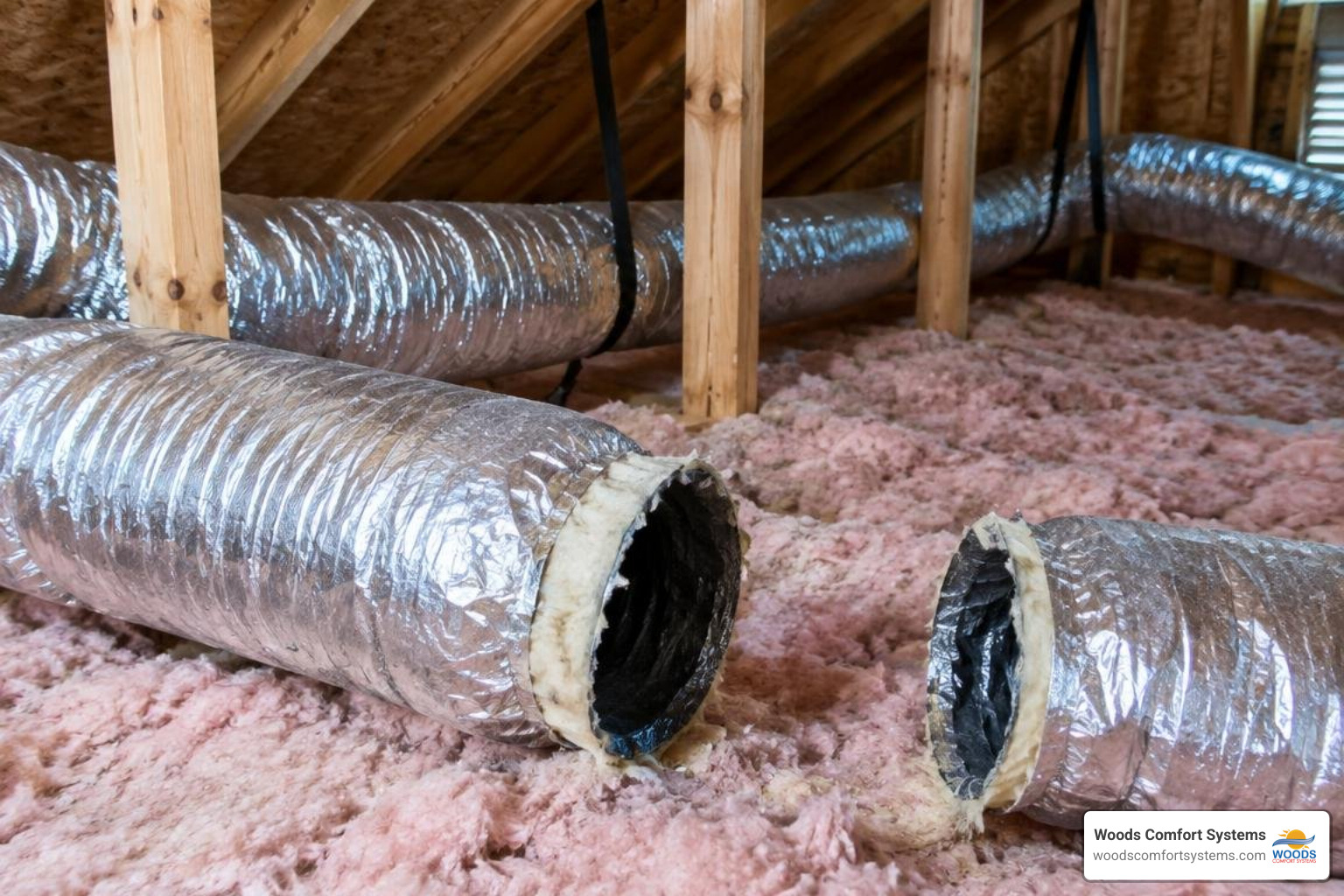
Forced-air heating depends on unobstructed supply vents, clear return grilles, and ductwork that can deliver air to each room. Furniture, heavy curtains, and rugs can block registers or returns. Long attic duct runs, loose connections, damaged duct sections, and poor balancing are not safe DIY repairs, but they are common reasons a distant room receives less warm air.
If the room has weak airflow while nearby rooms feel normal, the duct system may need professional attention. Our ductwork services include the kind of inspection needed to identify airflow restrictions without asking a homeowner to enter the attic or handle sealed system parts. For more background on symptoms that point to a delivery issue, read about poor airflow causes.
Thermostat location and room pressure matter
A thermostat only reads the temperature around its location. If it is near the center of the home, it may satisfy the heating cycle before an exterior bedroom is comfortable. A closed bedroom door can also change how air moves through a room when the return-air path is limited.
Homeowners can keep supply vents fully open and make sure return grilles are not blocked. If that does not improve comfort, our technician can inspect airflow, return-air pathways, duct condition, and thermostat operation. Those steps require professional testing rather than adjustments to electrical, gas, refrigerant, or sealed components.
How to Tell What Is Causing the Cold Room
Before making changes, compare the cold room with a comfortable room at roughly the same time of day. Notice whether the room feels colder only during a front, whether the supply vent has noticeably weaker airflow, and whether the room changes when curtains are closed or furniture is moved away from vents. These simple observations help identify a pattern without requiring homeowners to work on equipment.
Start with the checks you can do safely
Set the thermostat to the normal heating setting used for the rest of the home and make sure it is not programmed to change unexpectedly. Replace a dirty air filter with the correct type and size recommended for the system. Then confirm that the cold room’s supply vent is open and that furniture, curtains, or rugs are not blocking either the supply vent or the return grille.
Walk around windows and exterior doors on a cool, windy day to look for noticeable drafts. Closing curtains after sunset can make the room feel more comfortable while the system is running. These steps do not diagnose a duct or equipment problem, but they give useful information to share when scheduling service.
What our technician checks
If the room stays cold after those safe checks, our technician measures airflow and temperatures, reviews thermostat operation, and inspects the accessible parts of the HVAC system. The technician also checks for duct restrictions, damaged or disconnected duct sections, and return-air issues that can keep warm air from reaching the room.
Homeowners should not open sealed HVAC components or attempt repairs involving gas, electrical wiring, refrigerant, or attic duct connections. ENERGY STAR’s duct sealing guidance explains why duct leaks can affect comfort and efficiency. A professional inspection determines whether duct repair, thermostat work, heating service, or insulation improvements are appropriate.
Look for the timing of the problem
A room that becomes uncomfortable mainly at night may be more affected by window exposure, curtains, and heat loss through the ceiling. A room that is uncomfortable every time the system runs may point to airflow delivery or thermostat control. A room that is only cold after a sudden weather change may have more than one contributing factor, especially in homes with attic ductwork.
Keeping a short note about the symptoms can make a service visit more productive. Record whether the room’s vent feels weak, whether the door is usually closed, whether the filter was recently changed, and whether the issue began after a weather shift. That context helps our technician focus on the likely causes instead of relying on guesswork.
When to schedule professional service
Schedule service when airflow is weak, the room does not improve after the safe checks, or the problem returns repeatedly. A technician can identify conditions that are not visible from the room, such as damaged ductwork, balancing issues, or a thermostat that is not controlling the system as intended.
For homes with ongoing heating comfort concerns, heating services can address the system safely. If the issue includes recurring airflow changes, our article on common ductwork problems can help explain why professional evaluation is important.
Safe Steps to Improve Comfort in One Cold Room
When one room colder than the rest of the house persists, begin with small, safe adjustments that do not involve attic access, duct repairs, or system components. The goal is to remove simple barriers to airflow and reduce drafts while leaving technical diagnosis to a trained professional. If the room improves after these checks, keep monitoring it during the next Central Texas cold front.
Safe homeowner checks
- Review the thermostat setting. Confirm that the thermostat is set to heat and that a schedule has not lowered the temperature unexpectedly. Avoid removing the thermostat cover or altering wiring.
- Replace the air filter. Install the correct filter size and orientation for the system. A clean filter supports normal airflow, but it does not replace a professional inspection when one room remains uncomfortable.
- Open and clear vents and returns. Make sure the supply vent is fully open and that furniture, curtains, and rugs are not blocking supply or return grilles. Do not attempt to adjust dampers inside ductwork or access attic connections.
- Close curtains at night. Curtains can reduce the chill felt near windows during a cold evening. Open them again when daylight and outdoor conditions make that comfortable.
- Check windows and exterior doors for drafts. Look for obvious gaps around frames and thresholds, then make a note of what you find. A technician can help determine whether the comfort issue is primarily airflow, insulation, or air leakage.
These checks keep the homeowner on the safe side of the work. Do not troubleshoot gas connections, electrical components, refrigerant lines, sealed equipment, or ductwork in the attic. Those tasks belong to our technician, who can evaluate the system without creating a safety risk or causing additional damage.
When professional ductwork service makes sense
Persistent weak airflow can come from conditions that are not visible from the room. Collapsed, disconnected, damaged, or poorly balanced duct sections can limit how much conditioned air reaches a far bedroom. Our technician can inspect the system, identify the source of the restriction, and recommend the appropriate repair.
A professional ductwork evaluation is especially useful for homes with attic duct runs and rooms that stay uncomfortable after the basic checks. The visit can also confirm whether airflow balancing is needed and whether other parts of the system are contributing to the issue. Homeowners should not enter the attic to repair, seal, reconnect, or reposition ductwork.
Thermostat and zoning options
A thermostat that is placed in a comfortable central area may not reflect conditions in a distant room. Our technician can evaluate thermostat operation and discuss whether control changes could improve room-to-room comfort. For homes that may benefit from more targeted control, thermostat services can help determine the right next step.
Zoning is a professional HVAC solution, not a homeowner adjustment. It uses equipment designed to manage airflow for different areas of the home, so the system should be inspected and configured by a qualified technician. If a comfort problem is paired with unusual heating behavior, our technician can also evaluate whether the heating system needs service.
A Recent Service Call in San Marcos
A recent service call in San Marcos involved a home with weak airflow and uncomfortable rooms. Our technician found partially collapsed ductwork in the attic after inspecting the system. The technician repaired the ductwork, sealed it, and balanced it to address the airflow concern. The work focused on the duct condition that was preventing the home from receiving even airflow. This case shows why a persistent comfort problem should be professionally evaluated rather than treated as an attic DIY project.
Get help when the issue keeps coming back
Repeated temperature differences are frustrating, but they are often easier to resolve when the source is identified instead of repeatedly changing the thermostat. Woods Comfort Systems has NATE-certified technicians who can inspect airflow, equipment operation, and the duct system while keeping gas, electrical, refrigerant, and sealed-system work in professional hands.
For a clear next step, schedule an evaluation and share the safe checks already completed. The technician can explain the findings, provide a free estimate when repairs are recommended, and review available financing options when appropriate.
Frequently Asked Questions About Uneven Room Temperatures
Why does one bedroom feel colder only when a cold front moves through?
Fast Central Texas weather changes can make exterior rooms feel different from the center of the home. Window exposure, ceiling heat loss, and airflow delivery can combine during a cold front, so the room may need a professional evaluation if the pattern returns.
Is it okay to use a space heater while waiting for HVAC service?
A portable space heater can create a temporary comfort solution only when it is used according to its manufacturer instructions and kept clear of bedding, curtains, furniture, and walkways. It does not fix the underlying reason the room is cold, and it should never be used to compensate for an HVAC safety concern.
Could a closed bedroom door make the room less comfortable?
Yes, a closed door can change how air moves through the room when the return-air path is limited. Try keeping the door open during a normal heating cycle and share the result with the technician, rather than modifying grilles or ductwork yourself.
Why does the problem return after I change the filter?
A clean filter supports airflow through the system, but a cold room can still have a separate issue with duct delivery, thermostat control, or heat loss around the room. If the filter change makes little difference, the next step is a professional inspection instead of repeated thermostat adjustments.
Should I turn the thermostat much higher to warm one room faster?
Raising the thermostat significantly usually does not target one room or make the system solve an airflow issue faster. Keep the home at a comfortable normal setting, complete the safe checks, and schedule service if the room remains noticeably colder than the rest of the home.
Conclusion
A cold room is easier to resolve when the cause is identified instead of covered up with repeated thermostat changes. Start with safe homeowner checks, including the thermostat setting, filter, open and unblocked vents and returns, curtains, and visible drafts around windows and doors. If the room remains uncomfortable, let a professional inspect airflow, thermostat control, attic ductwork, and other HVAC conditions that should not be handled as a DIY repair.
Written by Chris Woods, Owner, Woods Comfort Systems. Chris is the third generation of the Woods family in Texas HVAC and has led Woods Comfort Systems in San Marcos since 2010.
Woods Comfort Systems has been family-owned since 1956 by three generations of the Woods family, and the company holds 4.9 stars on Google. The team serves San Marcos and Central Texas and Hill Country communities, including Austin, New Braunfels, Kyle, Buda, and Wimberley. Contact us to schedule heating service when one room continues to feel colder than the rest.
Woods Comfort Systems · 1900 Dutton Dr, San Marcos, TX 78666 · (512) 253-8927